Balcony views can transform a hotel stay from ordinary to unforgettable. Whether you’re watching a sunset over the ocean, gazing at city skylines, or enjoying mountain vistas, a room with a quality balcony offers that coveted connection between indoor comfort and outdoor scenery. For travelers prioritizing this amenity, understanding what makes balcony accommodations special—and knowing which properties deliver the best experiences—is essential for booking decisions.
The right balcony view can serve as your personal retreat space, offering moments of solitude, romantic settings for couples, or ideal backdrops for travel photography. Beyond aesthetic appeal, balconies provide practical benefits like fresh air access, extended living space, and opportunities to experience local environments up close. This guide explores what travelers should know about hotel balcony accommodations and highlights properties known for exceptional balcony experiences.
What Makes a Great Hotel Balcony
A truly exceptional hotel balcony combines several critical elements. First is size and functionality—adequate space for seating, ideally with comfortable chairs or loungers that allow extended relaxation. Second is privacy, whether achieved through strategic positioning, partial walls, or landscaping that shields your space from neighboring balconies. Third is the view itself, which should offer genuine visual interest rather than overlooking parking lots or blank walls.
Quality construction matters significantly. Balconies should feature sturdy railings that feel secure, non-slip flooring appropriate for wet conditions, and protection from excessive wind or weather. Weatherproofing is particularly important in coastal areas where salt spray and moisture can damage furniture and railings. The best balconies include practical additions like outdoor lighting, hooks for hanging items, and drainage systems that prevent water pooling.
Maintenance standards reveal much about a property’s commitment to balcony quality. Well-maintained balconies show regular cleaning, intact furniture without tears or rust, and functioning fixtures. Poorly maintained ones suggest the hotel doesn’t prioritize this amenity despite offering it. Reading recent guest reviews specifically mentioning balcony conditions provides crucial insights into current maintenance levels.
Orientation and timing also affect balcony enjoyment. East-facing balconies capture morning light and sunrise views, while west-facing ones offer evening light and sunset opportunities. North and south exposures provide more consistent light throughout the day. Understanding your preferred time of day for balcony use helps match room selection to your travel style.
Balcony Types and Room Categories
Hotels offer various balcony configurations suited to different travel needs. Standard balconies are modest outdoor spaces attached to individual rooms, typically 50-100 square feet. These provide essential outdoor access without extensive square footage. Deluxe balconies expand this to 100-200 square feet, often including better furniture and sometimes partial kitchen facilities for extended relaxation.
Suite balconies represent premium offerings, frequently exceeding 200 square feet with wraparound configurations, hot tubs, or multiple seating areas. Suites often provide better views due to their higher floor placement and corner positioning. Penthouse balconies or presidential suite balconies may span thousands of square feet, essentially functioning as outdoor living spaces with dining areas, lounging zones, and panoramic views.
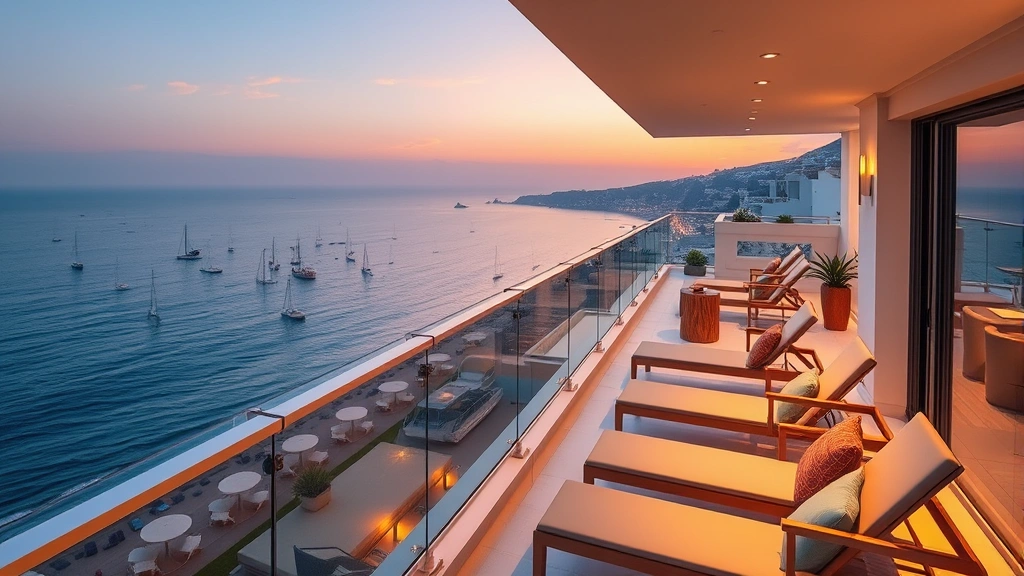
Some hotels offer shared balconies or terraces accessible from multiple rooms, reducing individual privacy but offering larger spaces. Cabana-style balconies include fabric elements providing shade and privacy while maintaining open-air appeal. Infinity balconies, increasingly popular at upscale properties, use transparent railings to create unobstructed views that seem to extend to the horizon.
Understanding room category implications helps set realistic expectations. Standard rooms with balconies cost less but may have limited views or space. Upgrading to deluxe or suite categories typically ensures better balcony quality and positioning. Many properties offer balcony view guarantee upgrades during booking, allowing you to specify balcony preferences when checking in.
Popular Destinations for Balcony Views
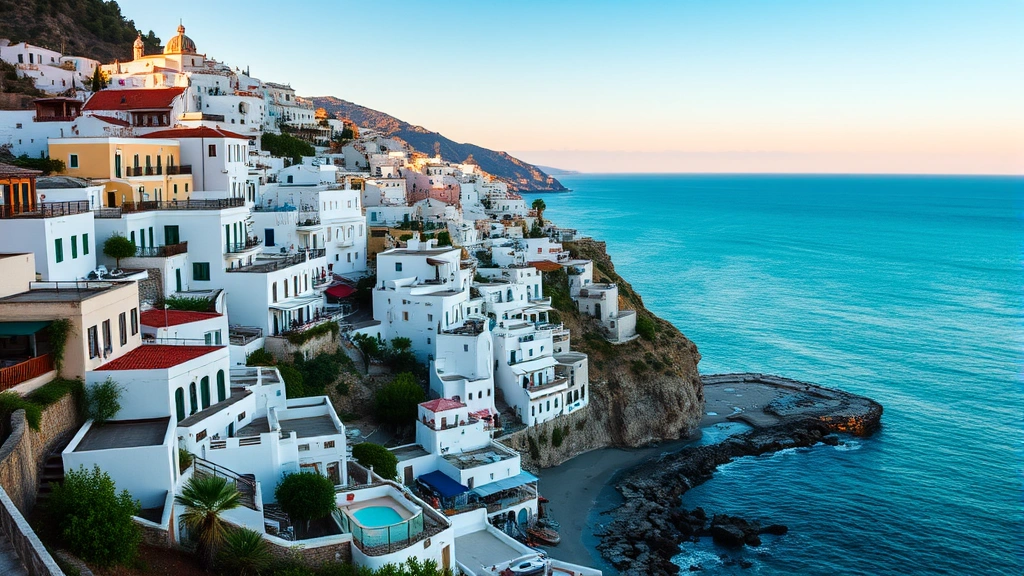
Coastal destinations dominate balcony-focused travel. Oceanfront properties in places like Hawaii, the Caribbean, Mediterranean regions, and Australian coastal cities offer unparalleled water views. Sunset views over the ocean from a private balcony represent one of travel’s most sought-after experiences. Beachfront hotels typically command premium pricing specifically due to balcony view value.
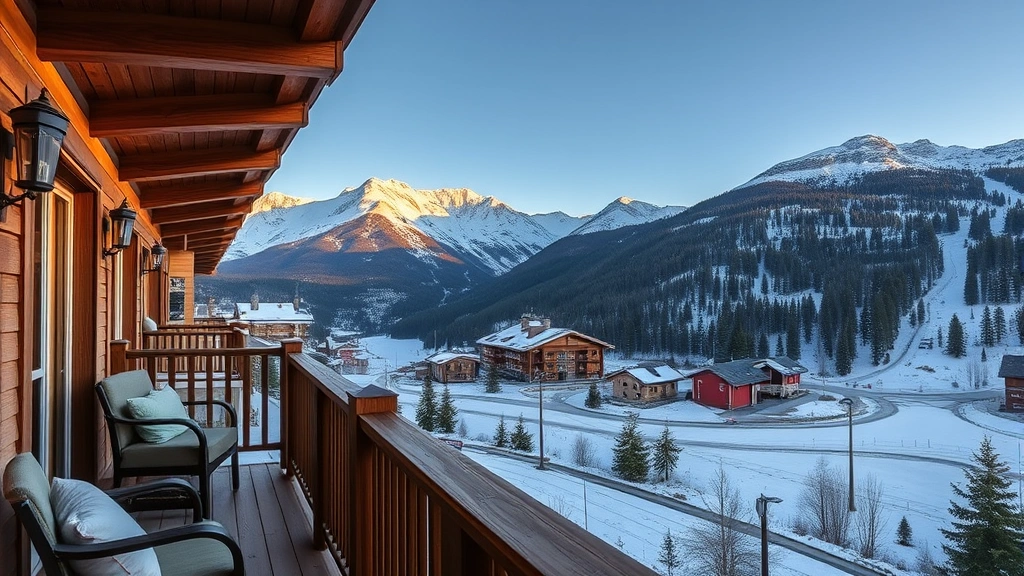
Mountain destinations provide equally compelling but distinctly different balcony experiences. Alpine hotels in Switzerland, Colorado, or the Rocky Mountains offer dramatic peak views, sunrise lighting on snow-covered slopes, and crisp mountain air. Spring and fall provide the clearest views, while winter offers snow-covered vistas that create stunning visual landscapes.
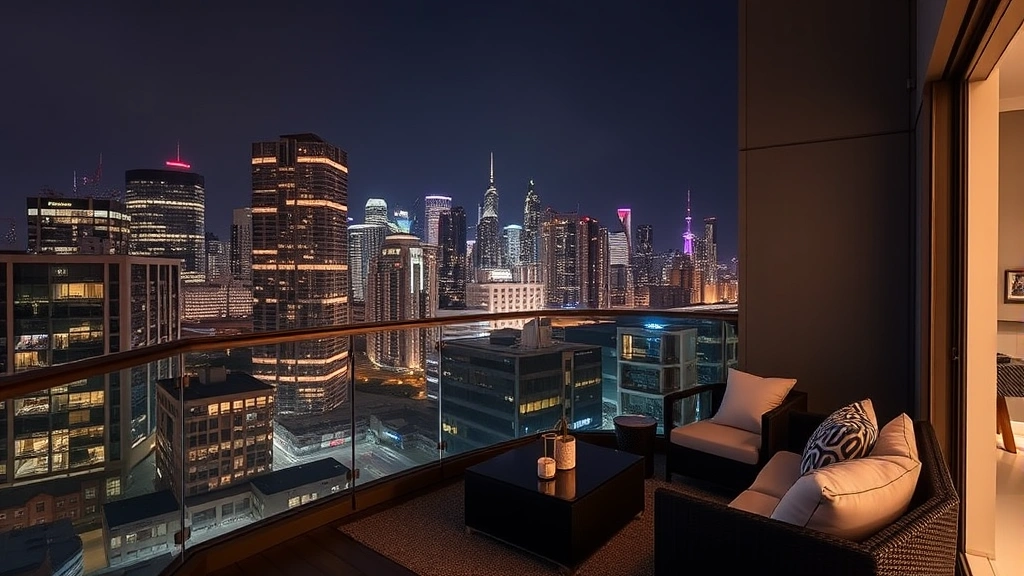
City destinations attract travelers seeking urban skyline views. Properties in New York, London, Paris, Tokyo, and Dubai capitalize on iconic architecture and nighttime city lighting. City balconies offer dynamic views that change throughout the day—morning business activity, daytime architectural appreciation, and nighttime illuminated skylines. For romance and upscale experiences, explore luxury hotels in New York City that emphasize balcony amenities.
Lake and river destinations offer serene water views without ocean conditions. Properties overlooking lakes in Switzerland, Austria, or Canada provide peaceful vistas with mountain backdrops. River views in cities like Prague, Vienna, or Paris combine water scenery with architectural interest.
Vineyard and countryside destinations appeal to travelers seeking pastoral views. Wine country properties in Napa, Tuscany, or Bordeaux offer rolling vineyard vistas and sunset views over agricultural landscapes. These destinations attract slower-paced travelers who use balconies for extended relaxation and nature appreciation.
Booking Tips for Balcony Rooms
Securing the best balcony experience requires strategic booking approaches. Request balcony specifications when booking—don’t assume all balconies are equal. Contact properties directly or note preferences in booking comments requesting balcony orientation, view type, and floor level. Mention if you prefer privacy over view size, or panoramic views over coziness.
Book higher floors when possible, as upper-level rooms typically offer better views with fewer obstructions and less street noise. However, some travelers prefer mid-level rooms for quicker elevator access and less extreme height anxiety. Clarify your floor preference during booking.
Read recent reviews specifically mentioning balconies. Guest reviews provide authentic information about balcony size, view quality, maintenance condition, and actual usability. Look for photos showing balcony views and furniture quality. Reviews mentioning disappointing balcony experiences reveal potential issues to avoid.
Use booking platform filters for balcony amenities. Major platforms like Booking.com, Expedia, and Airbnb allow filtering by balcony availability. This narrows options to properties actually offering this amenity, saving research time.
Contact hotels before arrival to confirm your balcony room and request specific preferences. Many properties accommodate such requests if communicated in advance. A simple email referencing your booking confirmation and requesting a balcony room with mountain views or ocean vistas often ensures better room placement.
Consider timing and seasonality. Peak season rooms cost more but offer optimal view conditions—clear skies, comfortable temperatures for balcony use, and longer daylight hours. Shoulder seasons provide better pricing while maintaining good balcony weather. Winter stays in mountain areas offer stunning snow views but cold temperatures limit balcony time.
Upgrade strategically. If balcony quality matters significantly to your trip, consider booking a standard room with upgrade potential. Many hotels offer discounted upgrades at check-in if availability exists, potentially providing suite-level balconies at reasonable additional cost.
Amenities That Complement Balconies
Certain hotel amenities significantly enhance balcony experiences. Outdoor furniture quality directly impacts usability—comfortable loungers with weather-resistant cushions encourage extended balcony time. Poor-quality plastic chairs limit enjoyment regardless of view magnificence.
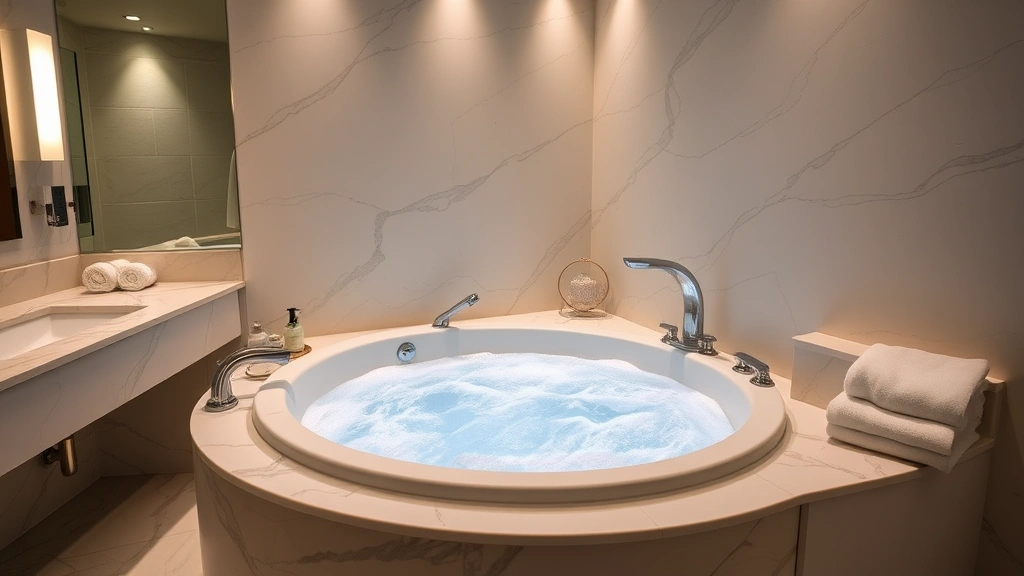
Properties offering hot tub hotels sometimes include balcony hot tubs, allowing you to soak while enjoying views. This luxury amenity transforms standard balconies into spa-like retreats. Similarly, hotels with jacuzzi in room options provide intimate relaxation spaces with outdoor access.
In-room dining service allows enjoying meals on your balcony, transforming it into a private dining venue. Room service breakfast on the balcony watching sunrise creates memorable travel moments. Properties accommodating this through balcony tables and weather-protected setups enhance the experience significantly.
Climate control considerations matter for balcony comfort. Heated balconies in cold climates extend usability seasons. Misters or cooling systems in hot climates make balconies practical during peak heat. Covered balconies protect from rain while maintaining open-air feelings.
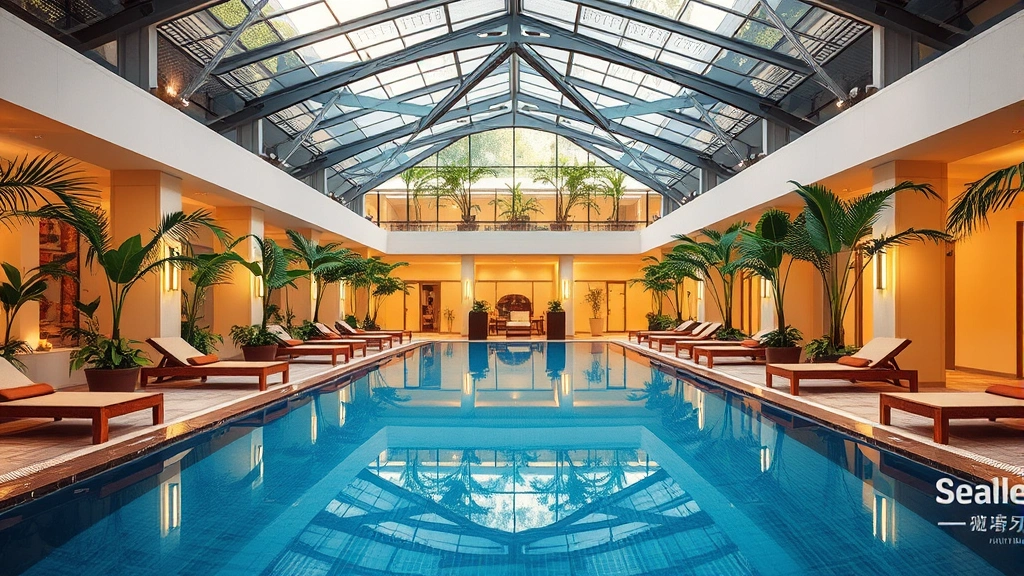
Complementary amenities like hotel indoor pool facilities provide alternatives on inclement weather days. Properties offering both indoor and balcony options ensure guests remain entertained regardless of conditions. Similarly, best hotels for honeymooners often emphasize romantic balcony settings combined with spa services, room service, and other romance-focused amenities.
Transportation options affect overall trip satisfaction. Hotels with airport shuttle services reduce travel stress, allowing you to relax on your balcony sooner after arrival. Convenient shuttle access also encourages returning to your balcony between activities rather than extended outings.
Noise considerations complement balcony enjoyment. Properties with soundproofing between rooms, away from main roads, or featuring double-glazed doors and windows create peaceful balcony environments. Quiet balconies encourage relaxation and meditation, essential for maximizing balcony value.
Technology integration enhances modern balcony experiences. Outdoor speakers allow enjoying music while on your balcony. USB charging ports on balcony furniture enable device use without returning indoors. Smart lighting systems let you adjust ambiance for morning coffee or evening relaxation.
FAQ
Are balcony rooms worth the extra cost?
Balcony value depends on personal travel priorities. If you enjoy outdoor relaxation, appreciate views, or seek romantic experiences, balcony rooms justify premium pricing. For travelers who spend most time away from rooms or don’t value outdoor space, standard rooms offer better value. Consider how much time you’ll realistically spend on your balcony when evaluating pricing.
What’s the difference between balconies and terraces?
Balconies are typically smaller, individual outdoor spaces attached to single rooms, projecting from building exteriors. Terraces are usually larger, sometimes shared spaces at ground level or on rooftops, potentially accessible from multiple rooms. Terraces offer more space but less privacy than balconies. Balconies provide individual outdoor access with direct room connections.
How do I ensure my balcony room has good views?
Contact the hotel directly before arrival, specifying desired view types and orientations. Review recent guest photos showing actual balcony views. Read reviews mentioning view quality. Arrive during optimal times—morning light for sunrise views, late afternoon for sunset orientations. Request higher floors, which typically offer better sightlines and fewer obstructions.
Are covered balconies as good as open ones?
Covered balconies offer weather protection and extended usability during rain or intense sun, but some travelers prefer completely open designs. Covered balconies work well in tropical or rainy climates, while open ones suit moderate climates. Choose based on your destination’s weather patterns and personal preferences regarding sun exposure.
What should I check about balcony safety?
Inspect railings for stability and appropriate height (typically 36-42 inches). Check flooring for slip hazards, especially when wet. Verify that furniture is stable and weighted appropriately. Ensure balcony edges feature appropriate barriers. Review hotel policies regarding balcony use. If you have mobility concerns or young children, discuss safety considerations with hotel staff before check-in.
Can I request a specific balcony room during booking?
Most hotels accommodate balcony preferences communicated during booking. Include specific requests in reservation notes or contact the hotel directly. Mention preferred orientations, view types, and floor levels. Early communication increases accommodation likelihood. Arrive early on check-in day to discuss room placement with front desk staff who may have additional options.