Stadium Hotel Living: Pros & Cons Explored
Stadium hotel living has emerged as a unique residential option for those seeking convenience, vibrant urban environments, and access to major entertainment venues. Whether you’re considering a long-term stay at a hotel property investment or exploring extended hotel residency near sports and entertainment districts, understanding the advantages and disadvantages is essential before making this lifestyle choice. This comprehensive guide examines what stadium hotel living entails and whether it aligns with your residential needs.
Living near or within stadium hotel accommodations offers a distinctly different experience compared to traditional apartments or houses. The proximity to major sporting events, concerts, and entertainment creates an energetic atmosphere that appeals to many urban dwellers. However, this lifestyle comes with specific challenges related to noise, crowds, and the transient nature of hotel environments that potential residents should carefully evaluate.
What Is Stadium Hotel Living?
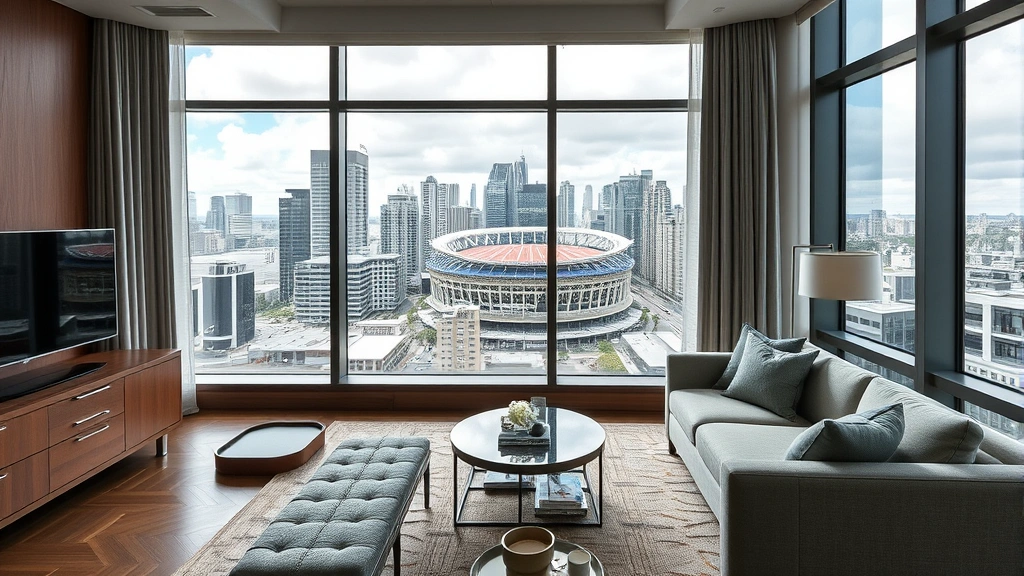
Stadium hotel living refers to residential arrangements in hotels located adjacent to or within walking distance of major sports stadiums and entertainment venues. This can involve renting hotel rooms or suites on a monthly basis, purchasing hotel property investments, or participating in hotel residency programs designed for long-term occupants. Unlike traditional hotels catering primarily to tourists, these properties increasingly offer extended-stay amenities and residential-focused services.
The concept gained prominence in major metropolitan areas where stadium districts have undergone revitalization. Cities like Las Vegas, Miami, Phoenix, and others have developed mixed-use stadium complexes that integrate residential spaces with commercial entertainment venues. Some luxury hotels near stadiums now specifically market residential packages with lease terms ranging from three months to several years.
Stadium hotel living bridges the gap between temporary hospitality and permanent residence, creating a hybrid lifestyle that appeals to specific demographics including young professionals, relocating workers, and entertainment enthusiasts seeking urban proximity without long-term housing commitments.
Advantages of Stadium Hotel Living
Unmatched Entertainment Access
The primary advantage of stadium hotel living is immediate access to world-class entertainment. Residents enjoy convenient attendance at professional sports games, concerts, conventions, and major events without lengthy commutes. This proximity transforms entertainment from occasional outings into lifestyle integration, allowing spontaneous event attendance and deep engagement with local cultural activities.
For sports enthusiasts and music fans, stadium hotel living eliminates transportation barriers and parking challenges. You can walk to events in minutes, enjoy drinks at nearby establishments, and return home without driving concerns. This accessibility particularly appeals to those who frequently attend games or concerts and view these activities as central to their lifestyle.
Premium Amenities and Services
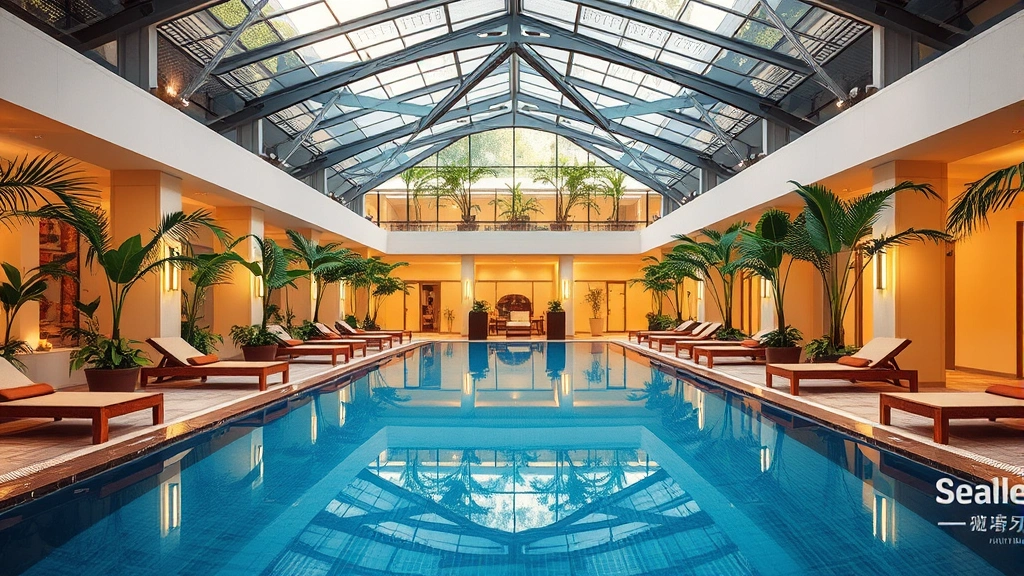
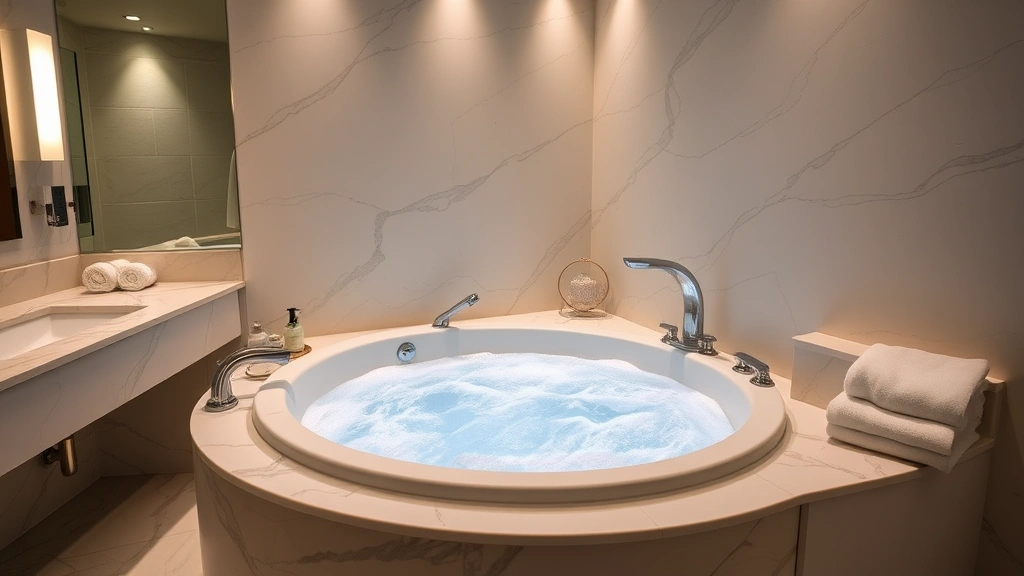
Hotel residency provides access to amenities typically unavailable in standard apartments. These include 24/7 concierge services, housekeeping options, premium fitness facilities, fine dining restaurants, business centers, and security services. Daily housekeeping or weekly cleaning packages reduce residential maintenance burdens, appealing to busy professionals.
The hotel infrastructure means maintenance issues receive immediate attention. Plumbing problems, electrical issues, or appliance failures are handled by dedicated hotel staff rather than requiring tenant-landlord negotiations. This convenience factor significantly reduces residential stress and administrative overhead.
Flexibility and No Long-Term Commitments
Stadium hotel living offers exceptional flexibility compared to traditional leases. Many properties allow month-to-month arrangements or short-term contracts without the typical 12-month apartment lease obligations. This flexibility suits relocating professionals, individuals in transitional life phases, or those uncertain about long-term location preferences.
For those considering different cities or anticipating life changes, stadium hotel living provides a low-commitment way to experience urban stadium district living before making permanent decisions. This trial-period approach helps determine whether this lifestyle genuinely aligns with personal preferences.
Urban Location Benefits
Stadium hotels typically occupy prime urban real estate with proximity to restaurants, shopping, nightlife, and cultural institutions. This central location reduces commute times to employment centers and provides walkable access to diverse dining and entertainment options. The vibrant urban environment creates a socially rich living experience with constant activity and community engagement opportunities.
Public transportation access in stadium districts is typically superior to suburban alternatives, reducing reliance on personal vehicles and associated costs. This urban advantage appeals particularly to environmentally conscious residents and those seeking car-free or car-light lifestyles.
Social and Networking Opportunities
Stadium hotel communities foster natural social interactions. Shared amenities, lobby areas, and entertainment venues create opportunities for meeting neighbors and building social networks. The transient nature of hotel living, while sometimes challenging, also means exposure to diverse individuals from various backgrounds and locations.
Disadvantages of Stadium Hotel Living
Noise and Disruption
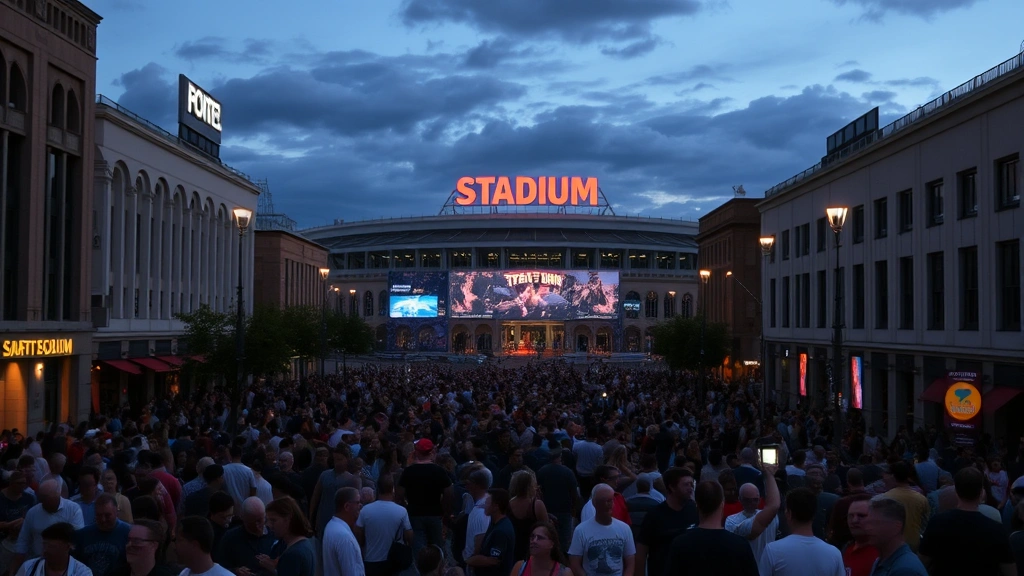
The most significant disadvantage of stadium hotel living is persistent noise and disruption. Event days bring crowds, traffic congestion, and extended noise lasting into late evening. Game day crowds create congestion in lobbies, elevators, and common areas. Concert events or major sporting championships can generate noise affecting sleep and daily activities.
Beyond event days, stadium districts maintain constant activity levels. Construction projects, street events, and general urban noise create an environment fundamentally different from quieter residential areas. For those valuing peace and tranquility, this constant stimulation becomes exhausting rather than energizing.
Lack of Privacy and Personal Space
Hotel living inherently involves less privacy than traditional apartments. Housekeeping staff accessing rooms, security protocols, and the general transient environment create an atmosphere of shared rather than private space. Some residents struggle with the continuous presence of hotel personnel and the inability to truly control their residential environment.
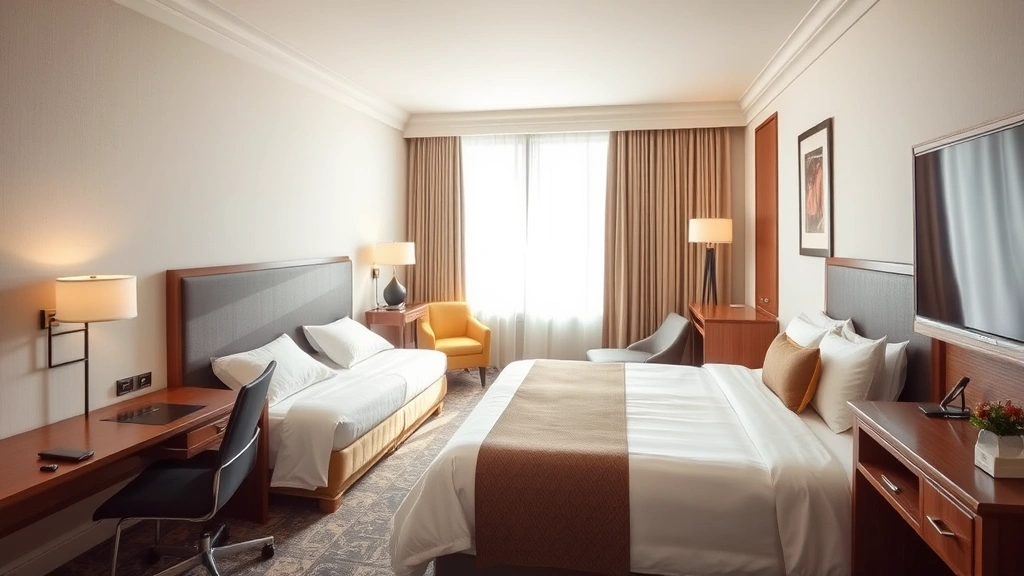
Hotel room layouts typically prioritize efficiency over spaciousness, resulting in limited personal space. Extended-stay units offer more room than standard hotel rooms, but rarely match the spatial comfort of apartments. Lack of outdoor space like balconies or patios further constrains personal refuge areas.
Limited Personalization and Ownership Feeling
Stadium hotel living provides minimal opportunity for personalizing residential spaces. Furniture, decor, and design choices remain restricted by hotel policies and lease agreements. This inability to customize environments creates psychological distance from true home ownership, leaving some residents feeling temporary rather than established.
The absence of ownership stake or long-term investment in the space can diminish the emotional attachment and satisfaction derived from residential living. Those seeking to build equity or create lasting personal spaces find stadium hotel living fundamentally misaligned with these goals.
Transient Community Dynamics
The temporary nature of hotel residency creates constantly changing community compositions. Just as you develop friendships with neighbors, they relocate, disrupting social continuity. This turnover prevents the establishment of stable, long-term community bonds typical of traditional residential neighborhoods.
The mixed population of tourists, business travelers, and long-term residents creates an inherently unstable social environment. Community events and neighborhood cohesion remain limited compared to traditional residential communities where residents share longer-term commitments and shared interests.
Pet and Family Restrictions
Stadium hotels typically maintain strict policies regarding pets and family living arrangements. Pet restrictions may prohibit animals entirely or impose substantial fees and size limitations. These policies create significant challenges for pet owners and families with multiple children, making stadium hotel living unsuitable for these demographics.
Family living in hotel environments also presents challenges regarding child development, outdoor play space, and educational stability. Schools accessibility, playground proximity, and family-oriented amenities remain limited in stadium district hotels designed primarily for adult occupancy.
Financial Considerations
Cost Comparison Analysis
Stadium hotel monthly rates typically exceed comparable apartment rentals, ranging from $1,500 to $3,500+ monthly depending on location, room type, and amenities. While this includes housekeeping and services, the base housing cost remains higher than traditional rentals. Additional charges for parking, utilities, and incidental services can substantially increase monthly expenses.
However, stadium hotel living eliminates certain costs associated with traditional housing. Furniture purchases, maintenance expenses, and utility management become unnecessary, offsetting some cost differences. The financial analysis requires comprehensive evaluation of total monthly expenses rather than base rent alone.
Hidden Costs and Additional Fees
Stadium hotel residency frequently involves hidden costs not immediately apparent in advertised rates. Parking fees range from $15-$30 daily ($450-$900 monthly) in urban stadium districts. Pet fees, if allowed, can exceed $100 monthly. Utility charges, internet services, and amenity fees add substantially to base rent.
Event-related pricing surges occur during major games or concerts, with some properties implementing premium rates during high-demand periods. Understanding complete fee structures before committing to residency prevents financial surprises.
Long-Term Financial Viability
For extended stays exceeding one year, stadium hotel living becomes significantly more expensive than traditional housing. The cost advantages of flexibility and amenities diminish over longer timeframes. Those anticipating residence longer than 18-24 months should evaluate whether traditional apartment leasing or hotel property purchases offer better financial outcomes.
Investment-focused individuals should consider whether stadium hotel residency represents temporary accommodation or potential long-term property investment opportunities with equity-building potential.
Lifestyle Factors to Consider
Personality and Preference Alignment
Stadium hotel living suits extroverted, urban-oriented individuals who thrive in dynamic, socially stimulating environments. Those valuing constant activity, entertainment access, and urban vibrancy find stadium districts aligned with personal preferences. Conversely, introverts, quiet-seekers, and individuals preferring stability should carefully evaluate whether this lifestyle genuinely matches their temperament and needs.
Honest self-assessment regarding noise tolerance, social preference, and environmental stimulation needs is essential. Trial visits during event days and off-event periods provide valuable perspective on whether stadium living genuinely appeals or merely sounds attractive conceptually.
Professional and Career Implications
Stadium hotel living significantly impacts professional life and career development. The central urban location benefits those working downtown or in stadium district business sectors, reducing commute times and increasing work-life integration. However, work-from-home professionals may find constant noise and activity distracting.
The professional address and business amenities available through hotel residency provide advantages for entrepreneurs and consultants. Access to business centers, conference facilities, and professional networks supports certain career trajectories while limiting others.
Social Life and Relationship Dynamics
Stadium hotel living substantially influences social dynamics and relationship formation. The entertainment-centric environment appeals to singles and young professionals seeking vibrant social scenes and dating opportunities. However, established families and couples seeking privacy and stability may find the environment overwhelming.
The transient community makes developing deep, long-term friendships challenging. Those prioritizing stable, meaningful relationships with consistent community members should recognize that stadium hotel living may hinder rather than support these goals.
Health and Wellness Considerations
Chronic noise exposure and constant environmental stimulation create health considerations including sleep disruption, stress elevation, and increased cortisol levels. Individuals with anxiety disorders, sensory sensitivities, or sleep disorders should carefully evaluate whether stadium hotel living supports or undermines health and wellness goals.
Conversely, the proximity to entertainment, urban walking infrastructure, and social opportunities can support mental health through increased engagement and reduced isolation. The wellness impact varies substantially based on individual health status and lifestyle needs.
Alternative Housing Options
Extended-Stay Apartments Near Stadiums
Extended-stay apartment complexes offer middle-ground solutions between traditional apartments and hotel residency. These properties provide apartment-style living with flexible lease terms, reduced commitment periods, and furnished options. While less luxurious than hotels, they offer more privacy, personalization, and typically lower costs than stadium hotels.
These alternatives maintain urban proximity to stadium districts while providing more residential character and community stability than transient hotel environments.
Traditional Apartment Leasing
Standard apartment leasing in stadium district neighborhoods provides permanent residential living with long-term equity building and full personalization opportunities. While requiring 12-month commitments and lacking hotel amenities, traditional apartments offer superior privacy, community stability, and financial value for extended stays.
For those certain about location and duration, traditional leasing provides substantially better value and residential satisfaction than stadium hotel living.
Residential Condominiums and Ownership
Stadium district condominiums and residential properties offer ownership opportunities with permanent community establishment. While requiring significant capital investment, property ownership builds equity, provides complete personalization, and creates lasting community connections unavailable through rental arrangements.
Those committed to stadium district living and capable of property ownership should explore hotel properties available for purchase or residential real estate investments in stadium vicinities.
Hybrid Living Arrangements
Some individuals employ hybrid approaches, maintaining stadium hotel residency for portions of the year while renting traditional apartments elsewhere. This flexibility allows experiencing stadium entertainment access seasonally while maintaining stable residential bases. Though expensive, this approach suits those with location flexibility and specific entertainment interests.
FAQ
Is stadium hotel living suitable for families with children?
Stadium hotel living presents significant challenges for families. Pet restrictions, limited space, noise disruption, and lack of family amenities make this arrangement suboptimal for children’s development and family stability. Traditional family-oriented housing provides better support for child-rearing and educational needs.
What should I expect regarding noise levels during event days?
Event days typically generate noise lasting from afternoon through midnight or later, depending on event duration. Crowds, traffic, sirens, and entertainment noise create substantial disruption. Those with early morning schedules or sleep sensitivity should recognize event days as genuinely disruptive rather than merely inconvenient.
Can I bring pets to stadium hotel residency?
Most stadium hotels maintain restrictive pet policies or prohibit animals entirely. If pets are permitted, substantial monthly fees ($50-$150+) and strict size/breed limitations typically apply. Pet owners should verify specific policies before committing to residency, as restrictions may prove prohibitive.
How does stadium hotel living compare financially to traditional apartments?
Stadium hotels typically cost 20-40% more than comparable apartments when including all fees and services. For stays under 18 months, the flexibility and amenities may justify premium costs. For longer stays, traditional apartments usually provide superior financial value despite less flexibility.
What types of individuals find stadium hotel living most satisfying?
Young professionals, entertainment enthusiasts, relocating workers, and individuals seeking short-term urban residence typically find stadium hotel living most satisfying. Those valuing flexibility, amenities, and entertainment access over privacy and stability align best with this lifestyle.
Are there residential protections for stadium hotel tenants?
Stadium hotel residents typically receive fewer legal protections than traditional apartment tenants. Month-to-month arrangements and short-term leases may not trigger tenant protection statutes. Residents should carefully review lease terms regarding eviction protections and dispute resolution procedures, as these often differ substantially from traditional residential leases.
How can I test whether stadium hotel living suits my preferences?
Schedule trial stays during both event days and quiet periods to experience actual conditions. Visit during peak seasons and off-seasons to assess noise levels, crowd dynamics, and environmental stimulation. Speak with current residents about their genuine experiences rather than relying on marketing materials. This comprehensive evaluation prevents costly mistakes.
What amenities should I prioritize when evaluating stadium hotels?
Essential amenities include reliable housekeeping, 24/7 maintenance, secure parking, fitness facilities, and quality internet infrastructure. Consider whether complimentary breakfast services or dining options justify premium rates. Evaluate transportation amenities for your specific needs. Prioritize amenities directly supporting your lifestyle rather than unnecessary luxury services.
Can stadium hotel living work as a temporary solution during housing transitions?
Yes, stadium hotel living functions excellently as temporary accommodation during relocation, job transitions, or housing searches. The flexibility, furnished spaces, and included services support short-term needs without long-term commitments. For transition periods of 3-6 months, stadium hotel living often proves more practical than traditional leasing or extended-stay apartments.