Hotels with Truck Parking? Traveler Insights
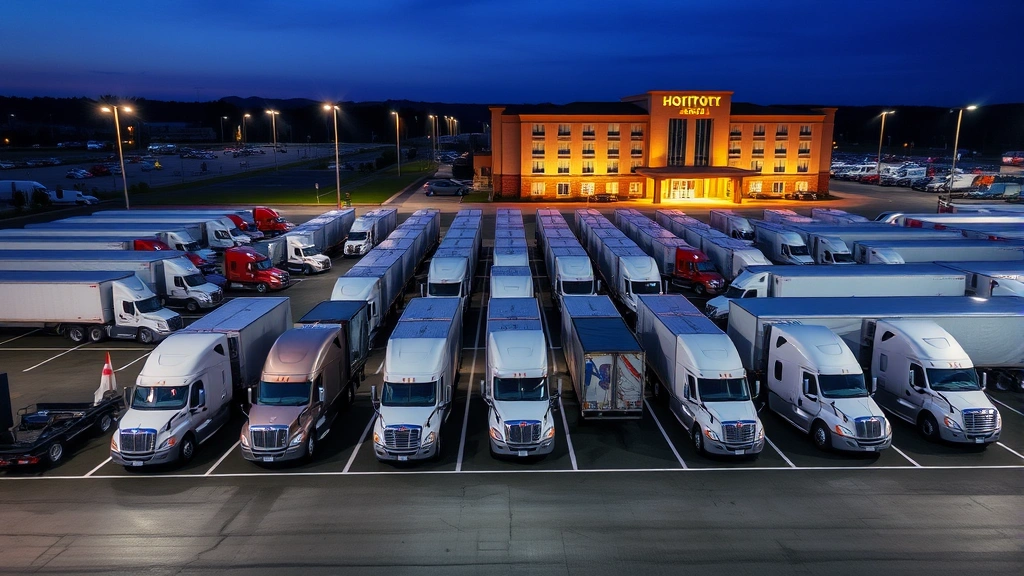
Professional truck drivers and commercial vehicle operators face unique accommodation challenges that standard hotel booking platforms often overlook. Finding hotels with truck parking isn’t merely a convenience—it’s a necessity for safety, security, and compliance with transportation regulations. Unlike typical leisure travelers, those operating commercial vehicles need dedicated parking facilities that can accommodate large rigs, provide 24-hour security, and offer amenities designed specifically for the driving community.
The trucking industry generates over $875 billion in annual revenue across North America, yet truck drivers frequently struggle to locate suitable overnight accommodations. Many traditional hotels lack the infrastructure to safely park vehicles over 35 feet long, leaving operators scrambling for alternatives. This comprehensive guide explores the landscape of truck-friendly hotels, what to expect, how to find them, and insider tips from experienced travelers who’ve mastered the art of finding quality rest stops that cater to commercial vehicle operators.
Understanding Truck Parking Requirements
Before diving into specific hotel recommendations, it’s essential to understand what constitutes adequate truck parking. Commercial vehicles vary significantly in size and turning radius. A standard semi-truck with trailer extends approximately 70-80 feet in length and requires specific maneuvering space. Parking facilities must accommodate these dimensions while ensuring driver safety and property protection.
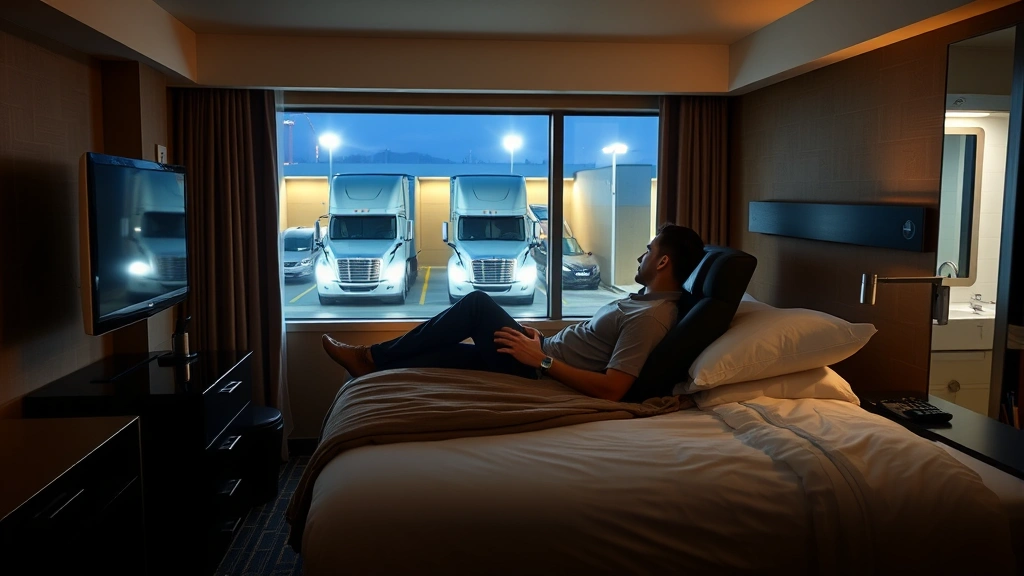
Regulations governing truck parking vary by state and municipality. The Federal Motor Carrier Safety Administration (FMCSA) mandates rest periods for commercial drivers, making quality overnight accommodations critical for regulatory compliance. Most professional drivers need parking spaces that provide level ground, adequate lighting, and separation from regular passenger vehicles. Many facilities also require 24-hour surveillance and secure access controls to protect valuable cargo and equipment.
Insurance considerations matter significantly for truck operators. Some hotels with truck parking offer specific coverage that protects vehicles during overnight stays. Drivers should verify parking agreements and understand liability limitations before booking. The American Trucking Associations emphasizes that proper overnight facilities reduce accident rates and improve driver safety outcomes substantially.
Types of Hotels Offering Truck Parking
Hotels with truck parking fall into several distinct categories, each serving different traveler needs and preferences. Understanding these categories helps drivers make informed decisions about which facilities best suit their requirements.
Truck Stop Hotels: These specialized establishments cater exclusively to commercial vehicle operators. Facilities like Love’s Travel Stops and Pilot Flying J operate dedicated hotel properties adjacent to or integrated within their truck stop complexes. These venues offer comprehensive services including fuel, maintenance, dining, and secure parking—all within one location. Truck stop hotels typically feature straightforward rooms without luxury amenities but prioritize functionality, security, and driver convenience.
Independent Truck-Friendly Hotels: Smaller, independently-operated hotels frequently offer truck parking to supplement their income and attract commercial clientele. These properties vary widely in quality and amenities. Some provide excellent service and modern facilities, while others offer basic accommodations at competitive rates. Independent hotels often allow direct negotiation on rates, particularly for weekly or monthly stays.
Budget Chain Hotels: Certain budget-conscious hotel chains have embraced truck parking as a differentiator. Properties like some Motel 6, Red Roof Inn, and Days Inn locations offer designated truck parking areas. These chains balance affordability with basic amenities, appealing to cost-conscious drivers who want hotel amenities beyond typical truck stop offerings.
Mid-Range Hotel Partners: A growing number of mid-range hotels recognize truck parking’s market potential. Some Best Western, Quality Inn, and Comfort Inn franchises have invested in truck parking infrastructure. These properties bridge the gap between budget accommodations and luxury options, offering better amenities than basic chains while remaining reasonably priced.
Major Hotel Chains with Truck-Friendly Facilities
Several established hotel chains have developed truck-friendly programs, making it easier for drivers to identify suitable accommodations. These chains understand the commercial driving market and have invested accordingly in infrastructure and driver-focused amenities.
Love’s Travel Stops: Operating over 500 locations across North America, Love’s has developed a substantial hotel presence. Love’s Roadway hotels and their integrated properties offer secure truck parking with professional-grade amenities. Their locations typically feature full-service restaurants, shower facilities, laundry services, and entertainment options. Many properties provide loyalty program benefits and discounted rates for frequent customers.
Pilot Flying J: With approximately 750 locations, Pilot Flying J operates the largest truck stop network in North America. Their hotel properties and partnerships provide consistent truck parking across major highways and regional routes. Pilot Flying J offers rewards programs, fuel discounts, and integrated services that appeal to professional drivers managing operational costs.
Motel 6: Approximately 30-40% of Motel 6 locations accept truck parking, making them a viable option for budget-conscious drivers. Their widespread presence and consistent quality make them attractive for those seeking familiar accommodations. The chain’s pet-friendly policy also appeals to drivers traveling with companions.
Red Roof Inn: Similar to Motel 6, select Red Roof Inn locations accommodate truck parking. Their budget positioning and straightforward service model appeal to cost-conscious travelers. Some properties offer extended-stay rates beneficial for drivers requiring longer stays.
Best Western: Numerous Best Western franchises have added truck parking facilities, particularly in rural and highway-adjacent locations. Their mid-range positioning provides better amenities than budget chains while maintaining reasonable pricing. Best Western’s loyalty program offers additional value for frequent travelers.
How to Find Hotels with Truck Parking
Locating suitable truck parking accommodations requires strategic searching and understanding available resources. Technology and industry-specific tools have simplified the process considerably compared to previous decades.
Specialized Truck Parking Apps: Applications like TruckParkingUSA, Parkwhiz, and ParkMobile specifically catalog truck-friendly accommodations. These apps allow drivers to filter by location, amenities, price, and parking specifications. Real-time availability updates and user reviews provide valuable insights. Many apps integrate GPS navigation and payment processing for seamless booking.
Google Maps and Search: Advanced Google Maps searches using keywords like “truck parking near me” or “RV and truck parking” yield relevant results. Reading reviews from other drivers provides practical perspectives on facility quality, security, and actual truck-friendliness. Always verify current truck parking availability by contacting properties directly, as policies change frequently.
Industry Networks: Trucking forums, Facebook groups, and professional driver communities share real-time information about reliable truck parking locations. Experienced drivers often provide candid assessments of facility quality, safety, and value. These peer recommendations frequently identify hidden gems and highlight problematic locations.
Direct Hotel Contact: Calling hotels directly remains essential. Staff can confirm current truck parking availability, specify parking dimensions, discuss rates, and explain access procedures. Direct contact often reveals flexibility in pricing or policies that online listings don’t advertise. Building relationships with specific properties can yield preferential treatment and loyalty discounts.
Truck Stop Networks: Major truck stop chains maintain comprehensive location databases. Calling ahead to truck stops allows drivers to reserve parking and inquire about adjacent hotel partnerships or on-site accommodations.
Amenities Beyond Basic Parking
Quality truck-friendly hotels distinguish themselves through amenities addressing specific driver needs. Beyond basic overnight parking, consider these valuable features when evaluating options.
Shower and Hygiene Facilities: Dedicated shower facilities separate from standard guest bathrooms are essential for drivers managing long-haul schedules. Quality truck hotels provide private showers, fresh towels, and hygiene products. Some premium facilities offer shower lounges and extended hours accommodating various driver schedules.
Dining and Food Services: On-site restaurants or partnerships with nearby food establishments reduce operational complexity. Many truck-friendly hotels provide breakfast options, room service, or partnership discounts at adjacent restaurants. Some facilities offer microwave and refrigerator access, supporting drivers who prefer preparing meals.
Laundry Services: Dedicated laundry facilities or partnerships with laundry services address practical needs for extended stays. Coin-operated machines or full-service laundry options appeal to different preferences and budgets. Some premium properties provide laundry service included with stays.
Fitness and Wellness: Hotels with fitness centers appeal to health-conscious drivers. Exercise equipment helps combat sedentary lifestyle effects. Some truck-friendly properties partner with nearby gyms or provide basic fitness amenities.
Communication Services: Quality WiFi, phone charging stations, and communication facilities support professional drivers managing administrative tasks. Reliable internet enables trip planning, communication with dispatchers, and personal connectivity.
Fuel and Maintenance Integration: Properties integrated with or adjacent to truck stops provide convenient fuel access. Some facilities coordinate maintenance services, tire repairs, or vehicle inspections, reducing driver downtime.
Pet-Friendly Policies: Many professional drivers travel with pets. Pet-friendly accommodations with designated areas appeal to this demographic. Clear policies regarding pet fees and restrictions facilitate booking decisions.
Cost Considerations and Pricing
Pricing for hotels offering truck parking varies significantly based on location, amenities, and market demand. Understanding pricing structures helps drivers optimize transportation budgets effectively.
Standard Nightly Rates: Truck-friendly hotel rooms typically range from $50-$150 per night depending on location and facility quality. Urban and highway corridor locations command premium pricing, while rural areas offer more competitive rates. Budget chains generally cost $50-$80, while mid-range properties average $80-$130.
Truck Parking Fees: Many hotels charge separate truck parking fees ranging from $10-$25 per night beyond room rates. Some facilities include parking with room bookings, while others charge additional fees. Clarify parking costs during reservation to avoid surprises.
Extended Stay Discounts: Weekly and monthly rates typically offer 20-40% discounts versus nightly pricing. Drivers planning longer stays should negotiate directly with properties about extended-stay rates. Some economy hotels provide substantial discounts for week-long or longer commitments.
Loyalty Programs: Hotel chains and truck stop networks offer rewards programs providing discounts, free nights, and exclusive benefits. Frequent travelers should enroll in loyalty programs to accumulate points and access preferential pricing. Some programs offer fuel discounts or dining credits offsetting accommodation costs.
Negotiation Opportunities: Independent and smaller chain properties frequently negotiate rates, particularly for commercial drivers or frequent bookings. Direct conversations with management can yield better pricing than published rates.
Fuel Discounts: Some truck-friendly hotels offer fuel discounts at adjacent fuel stations, effectively reducing overall trip costs. These partnerships benefit drivers managing fuel expenses.
Safety and Security Features
Security represents a paramount concern for professional drivers protecting valuable cargo and equipment. Quality truck-friendly accommodations prioritize comprehensive security measures.
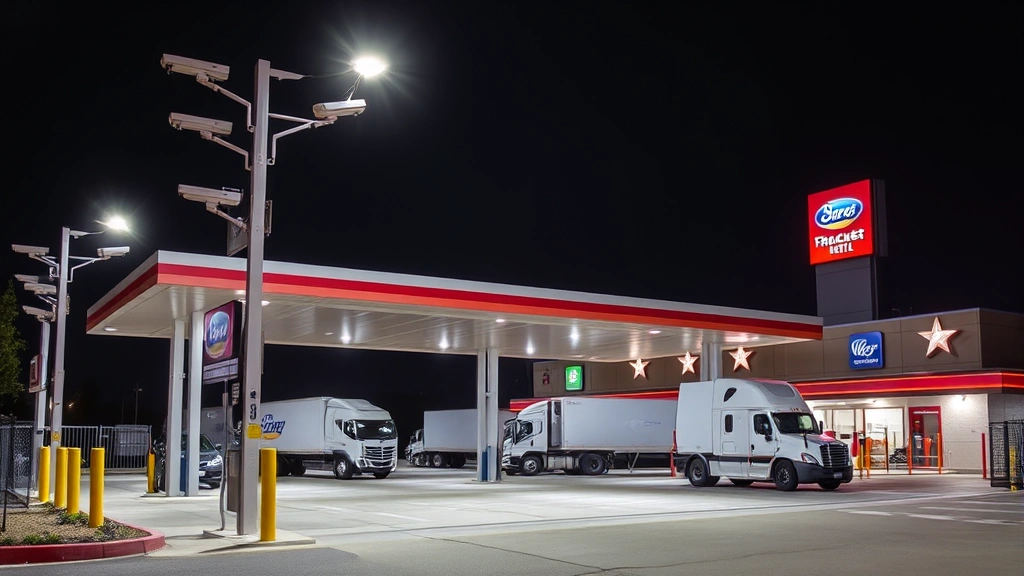
24-Hour Surveillance: CCTV cameras monitoring parking areas, entrances, and common spaces provide documented security. Modern systems with cloud backup and mobile access allow drivers to monitor their vehicles remotely. Visible cameras serve as deterrents to potential theft or vandalism.
Secure Access Control: Gated facilities with controlled access, key cards, or barrier systems prevent unauthorized entry. Restricted parking areas designated exclusively for guests enhance security. Some premium facilities employ security personnel during peak hours.
Lighting: Adequate parking lot illumination prevents accidents and deters criminal activity. LED lighting systems provide consistent, bright illumination throughout overnight hours. Well-lit facilities enhance driver confidence and safety perception.
Separated Parking Areas: Designated truck parking distinct from passenger vehicle areas reduces property damage risks and improves security. Separation prevents unauthorized access to truck parking zones and allows focused monitoring.
Insurance and Liability: Reputable facilities maintain comprehensive liability insurance and clearly communicate coverage limitations. Understanding what protection exists for parked vehicles during stays is essential. Some premium properties offer optional comprehensive coverage for vehicles and cargo.
Emergency Response: Quality facilities maintain emergency protocols and staff training for incidents. Clear communication procedures, emergency contact information, and first aid capabilities provide peace of mind. Some properties partner with local law enforcement for enhanced security.
Regional Variations and Availability
Truck parking availability varies dramatically across North America based on geography, infrastructure development, and regional demand patterns. Understanding regional characteristics helps drivers plan routes more effectively.
Interstate Corridor Abundance: Major interstate highways (I-40, I-80, I-95, I-75) feature numerous truck-friendly accommodations reflecting high traffic volumes. Competition in these corridors typically ensures reasonable pricing and quality options. Popular routes often require advance booking during peak seasons.
Rural Area Challenges: Rural regions frequently lack truck parking options, forcing drivers to choose between limited accommodations or continuing to next major towns. Planning ahead becomes critical when traversing sparsely-populated areas. Truck stop networks provide more consistent availability than traditional hotels in remote regions.
Urban Limitations: Major cities often restrict truck parking due to space constraints and zoning regulations. Urban accommodations typically command premium pricing. Many urban drivers rely on dedicated truck parking facilities operated by municipalities or private operators rather than traditional hotels.
Regional Chain Preferences: Certain hotel chains dominate specific regions. Western regions feature more truck-friendly independent properties, while eastern corridors rely heavily on major chains. Regional hotel selections vary based on local infrastructure and business models.
Seasonal Variations: Winter weather impacts truck parking availability in northern regions. Snow and ice may close facilities or reduce parking capacity. Summer construction projects on major highways frequently reduce available parking. Planning routes around seasonal challenges ensures better availability.
Border Crossing Considerations: Cross-border travel introduces additional complexity. Canadian and Mexican border regions have specific truck parking requirements and limited options. International drivers should research border-specific accommodations well in advance.
The evolution of truck-friendly accommodations continues as the industry recognizes commercial drivers’ needs. Hotels with free shuttle service increasingly recognize truck parking as a market opportunity, expanding options for professional drivers. Luxury hotel suites remain generally unavailable for truck parking, but mid-range properties increasingly accommodate commercial vehicles. Hotels in Pigeon Forge TN with indoor pool and similar leisure destinations occasionally offer truck parking for drivers passing through tourist areas.
FAQ
What qualifies as adequate truck parking space?
Adequate truck parking requires minimum 12-foot width and length accommodating full vehicle dimensions (typically 70-80 feet for semi-trucks). Level ground, proper drainage, and 14-foot height clearance for standard trailers are essential. Turning radius of 40-50 feet prevents vehicle damage and ensures safe maneuvering.
Are truck parking fees included in hotel room rates?
Policies vary significantly. Some hotels include truck parking with room rates, while others charge $10-$25 nightly parking fees. Always clarify parking costs during reservation to avoid unexpected charges. Direct hotel contact typically provides clearest information about parking pricing structures.
Which hotel chains most consistently offer truck parking?
Love’s Travel Stops, Pilot Flying J, and select Motel 6 locations provide most consistent truck parking availability. Best Western franchises increasingly accommodate trucks at highway-adjacent properties. Independent hotels and small chains often provide truck parking but require individual verification.
How far in advance should truck parking be reserved?
Peak seasons (summer months, holiday periods) require 1-2 weeks advance booking at popular locations. Off-season travel typically allows next-day or same-day reservations. Major interstate corridor locations frequently book full, particularly weekends, necessitating advance planning.
What security features should quality truck parking provide?
Essential security features include 24-hour CCTV surveillance, controlled access gates, adequate lighting, separated parking areas, and clear liability policies. Emergency response protocols and staff availability enhance security. Facilities offering optional cargo insurance provide additional protection.
Can truck parking accommodate specialized vehicles like car haulers or flatbeds?
Specialized vehicles require verification before booking. Standard truck parking accommodates conventional semi-trucks and trailers. Oversized vehicles, flatbeds, or specialized equipment may require additional space or specialized facilities. Always contact properties directly regarding specialized vehicle requirements.
What amenities matter most for overnight truck stays?
Shower facilities, laundry services, on-site dining, and 24-hour security rank highest among professional drivers. WiFi connectivity, phone charging, and maintenance partnerships provide additional value. Pet-friendly policies appeal to drivers traveling with animals.
Are there government resources for locating truck parking?
The Federal Motor Carrier Safety Administration (FMCSA) provides guidance on truck parking regulations. The American Trucking Associations offers resources for professional drivers. Individual state departments of transportation maintain truck parking information. FMCSA official website provides regulatory information and parking resources.
How do truck parking costs compare to traditional truck stops?
Hotel truck parking typically costs $50-$150 nightly with additional parking fees, while traditional truck stops charge $20-$40 for parking. Hotels offer superior amenities and comfort compared to truck stops. Cost-benefit analysis depends on individual preferences and budget considerations.
What should drivers verify before booking truck parking?
Confirm current truck parking availability, specify vehicle dimensions, clarify parking fees and inclusion with room rates, verify security measures, understand cancellation policies, and request current photos of parking facilities. Direct hotel contact provides most accurate, current information for informed booking decisions.