Hotels for 18-Year-Olds: Insider Tips for Young Travelers
Turning 18 opens up new travel opportunities, but booking a hotel as a young adult comes with unique challenges and considerations. Many 18-year-olds face restrictions when attempting to reserve rooms, encounter additional fees, or discover limited options that cater to their needs. Understanding hotel policies, knowing your rights, and learning insider strategies can transform your booking experience from frustrating to seamless.
Whether you’re planning a weekend getaway, attending a special event, or embarking on your first solo travel adventure, this comprehensive guide equips you with practical knowledge about navigating the hotel industry as an 18-year-old guest. We’ll explore everything from age restrictions and deposit requirements to finding accommodations that welcome young adults and tips for securing the best rates and amenities.

Understanding Age Policies at Hotels
Hotel policies regarding guests under 21 vary significantly across the industry. While you legally become an adult at 18, many hospitality establishments maintain stricter policies based on liability concerns, past experiences with young guests, or corporate guidelines. These policies aren’t arbitrary—they stem from legitimate business considerations regarding property damage, noise complaints, and guest conduct.
The primary concern for hotels accepting 18-year-old guests centers on payment security and accountability. Hotels want assurance that guests can pay for their stay and any incidental charges. This is why credit card requirements exist and why some properties require additional deposits. Understanding this dynamic helps you prepare appropriately and demonstrates maturity when interacting with hotel staff.
Different hotel chains maintain different standards. Budget chains like Motel 6 and Super 8 often have more lenient age policies compared to upscale properties. Extended-stay hotels and independent boutique properties may also be more flexible. Luxury resorts and high-end urban hotels typically enforce stricter age minimums, sometimes requiring guests to be 21 or older.
Minimum Age Requirements Explained
Most hotels set their minimum age requirement at either 18 or 21 years old. The difference matters significantly for young travelers. Properties requiring guests to be 21 often cite concerns about alcohol-related incidents and late-night disturbances, though they cannot legally prevent 18-year-olds from entering public areas of the hotel.
When researching accommodations, always verify the specific age policy before booking. Hotel websites sometimes list this information in their policies section, but many don’t. Calling the property directly provides definitive answers and demonstrates your professionalism to staff members who may handle your reservation. When you call, ask specifically: “What is your minimum age requirement for guests?” and “Are there any additional requirements or deposits for 18-year-old guests?”
Some properties accept 18-year-olds but require a parent or guardian to co-sign the reservation or be present at check-in. Others may charge additional deposits for young guests or restrict certain amenities like pool access during specific hours. These conditions aren’t deal-breakers—they’re simply factors to incorporate into your planning.
Understanding these policies helps you identify which properties welcome you versus which ones present obstacles. This knowledge saves time and frustration during the booking process and prevents last-minute cancellations or disputes at check-in.
Credit Card and Deposit Requirements
Hotels use credit cards for two essential purposes: verifying guest identity and securing payment for incidental charges. As an 18-year-old, having a valid credit card significantly improves your chances of booking successfully. Debit cards sometimes work, but credit cards provide hotels with stronger payment guarantees.
The deposit requirement serves as security against room damage, excessive noise complaints, or unauthorized charges. Hotels may place holds on your card for the room rate plus an additional amount (typically $50-$200) to cover potential incidental charges. This hold doesn’t charge your account immediately—it simply reserves funds to ensure payment capability.
If you don’t have a credit card, consider these alternatives: open a student credit card (many banks offer these specifically for young adults), use a debit card with sufficient funds, or ask a parent to add you as an authorized user on their credit card. Some independent hotels accept cash deposits, though this is increasingly rare.
When checking in, inform the front desk staff that you’re 18 and have questions about their policies. This proactive communication often results in more favorable treatment than attempting to hide your age. Hotel employees respect guests who demonstrate responsibility and honesty.
Finding Hotels That Accept 18-Year-Olds
Identifying accommodations that welcome 18-year-old guests requires strategic searching and direct communication. Start by filtering your search on booking platforms like Booking.com or Expedia by price range and amenities, then contact properties directly to confirm age policies before booking.
Budget hotel chains consistently rank highest for accepting young guests. Chains like Motel 6, Red Roof Inn, and La Quinta typically welcome 18-year-olds with valid identification and payment methods. These properties prioritize occupancy and understand their demographic includes young travelers. Mid-range chains like Best Western, La Quinta, and some Holiday Inn Express locations also maintain relatively flexible policies.
Independent and locally-owned hotels often provide more flexibility than corporate chains. These establishments may have personalized policies allowing managers discretion in accepting 18-year-old guests. Boutique hotels in college towns frequently accommodate young adults, recognizing this demographic as reliable customers.
Consider visiting Airbnb as an alternative to traditional hotels. Many property owners accept 18-year-old guests, and the platform’s review system encourages responsible behavior. Hostels provide another excellent option, specifically designed for young travelers and often featuring social atmospheres perfect for meeting other young adults.
When you find properties that accept 18-year-olds, read recent guest reviews specifically mentioning age policies. Other young travelers often share valuable insights about their experiences, including whether staff members were welcoming or dismissive.
Budget-Friendly Options for Young Travelers
Traveling on a limited budget doesn’t require compromising on quality or comfort. Several strategies help 18-year-old guests maximize their hotel experiences affordably. Visiting during off-peak seasons (weekdays rather than weekends, or traveling during shoulder seasons) dramatically reduces rates.
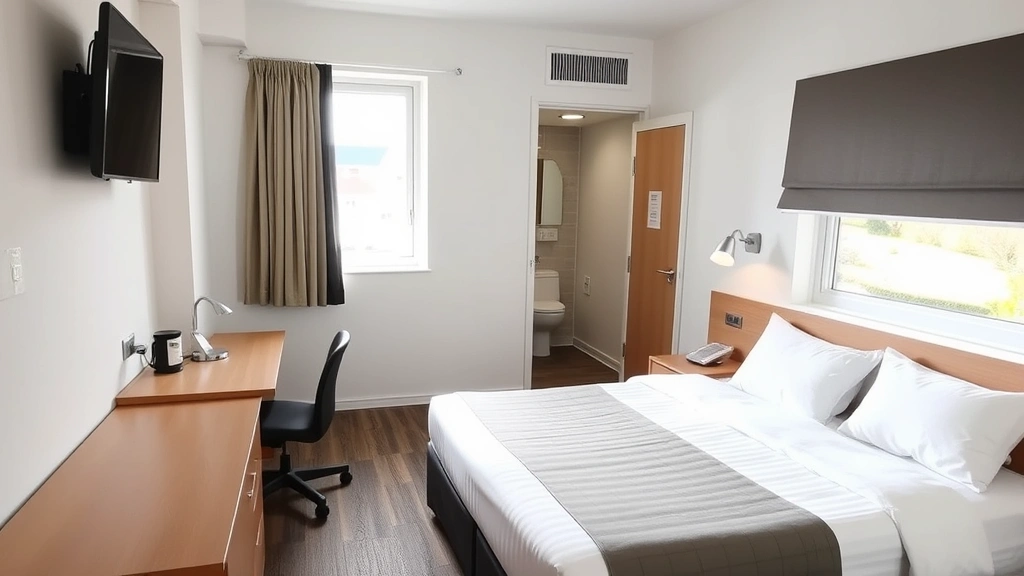
Budget hotel chains offer excellent value propositions. Rooms typically cost between $40-$80 per night and include basic amenities like free WiFi, cable television, and a private bathroom. Some properties offer free breakfast, further stretching your budget. These accommodations may lack luxury features, but they provide clean, safe spaces for reasonable prices.
Booking directly with hotels sometimes yields better rates than third-party platforms, especially for young guests. Call the property and ask about rates for 18-year-old guests—some offer special discounts or waive additional fees. Many hotels reward direct bookings with loyalty program points or room upgrades.
Consider shared accommodations like hostels or budget Airbnb rooms. Hostels average $20-$50 per night and provide opportunities to meet other travelers. Many young adults find the social environment worth the trade-off in privacy. Airbnb rooms in shared apartments often cost less than hotels while providing kitchen access for meal preparation.
Travel during promotional periods when hotels offer discounts. Sign up for hotel loyalty programs even if you don’t anticipate frequent travel—many programs provide discounts for first-time members. Apps like HotelTonight offer last-minute deals on unsold inventory, sometimes providing substantial savings.
Premium Amenities Worth Considering
While budget accommodations serve essential needs, certain premium amenities enhance your travel experience meaningfully. If your budget allows, consider prioritizing specific features that matter most to your trip.
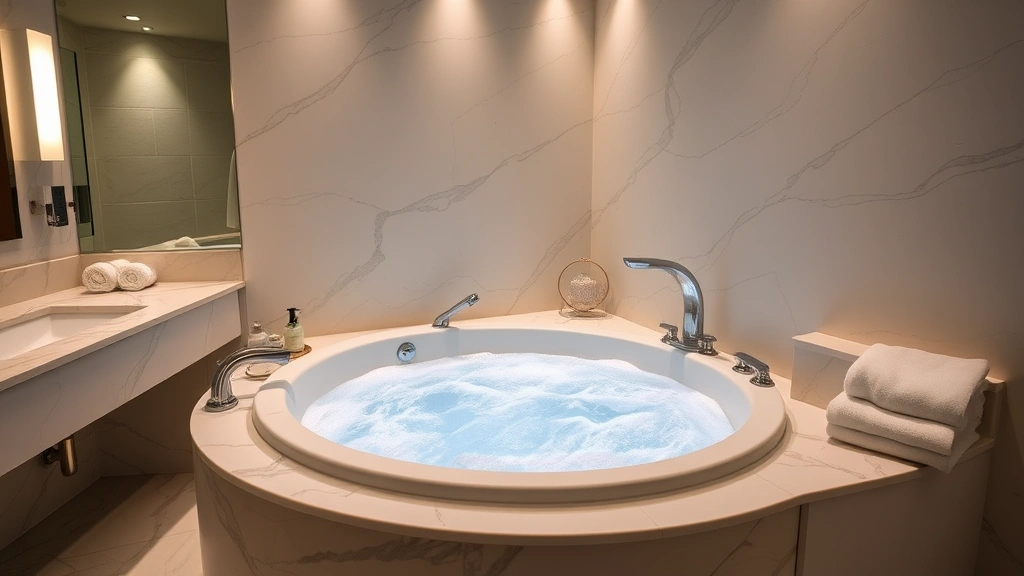
Properties featuring hotels with jacuzzis provide relaxation opportunities after busy days exploring your destination. Soaking in warm, bubbling water relieves travel fatigue and muscle tension. Many mid-range properties include jacuzzis in their premium room categories without dramatic price increases.
If you value in-room relaxation, hotels with hot tubs in rooms offer ultimate privacy and convenience. These suites cost more but provide exceptional value if relaxation ranks high on your priorities. They’re particularly appealing for romantic getaways or wellness-focused trips.
Fitness amenities matter if you maintain exercise routines while traveling. Properties with modern gyms, yoga classes, or hotels near you with pools support active lifestyles. Swimming provides excellent full-body exercise and recreational enjoyment, making pool access valuable even if you don’t consider yourself athletic.
For beach destinations, luxury beachfront hotels offer unparalleled ocean access and scenic views, though at premium prices. If beach proximity is essential, comparing beachfront versus nearby properties helps identify the best value.
Pet-friendly accommodations matter if you’re traveling with animal companions. Dog-friendly hotels near you welcome pets with minimal or no additional fees, making them ideal for young adults traveling with their dogs. These properties understand that pets are family members, not inconveniences.
Technology amenities like high-speed WiFi, smart televisions, and USB charging ports matter increasingly to young travelers. Verify these features exist before booking, as some budget properties offer limited connectivity options.
Safety and Security Tips
Traveling safely as an 18-year-old requires awareness and proactive decision-making. Hotels provide reasonable security through locks, front desk staff, and surveillance systems, but personal responsibility matters equally.
Always use the deadbolt and chain lock when in your room. These simple precautions prevent unauthorized entry. Never open doors to strangers—verify identity through the peephole, and if someone claims to be hotel staff, call the front desk to confirm before allowing entry.
Keep valuables in the room safe or with you at all times. Don’t leave expensive electronics, cash, or jewelry visible on furniture or bathroom counters. Many hotels provide in-room safes specifically for this purpose.
Be aware of your surroundings when entering or leaving your room, particularly late at night. Travel with a friend when possible, especially when exploring unfamiliar areas after dark. Inform someone trustworthy of your location and expected contact schedule.
Avoid excessive alcohol consumption, particularly in unfamiliar environments. Impaired judgment increases vulnerability to theft, accidents, and poor decision-making. If you do drink, do so responsibly and never leave drinks unattended.
Use hotel parking facilities when available rather than street parking. These monitored areas provide better security for your vehicle. Keep your room number private—don’t announce it in public areas, and always lock your door even when briefly leaving your room.
Booking Strategies and Timing
Strategic booking approaches help 18-year-olds secure better rates and smoother experiences. Timing significantly impacts both price and availability, particularly for young travelers who may face limited options.
Book during weekdays (Monday-Thursday) rather than weekends when possible. Hotels lower rates during traditionally slow periods, and you’ll face less competition for rooms. If your travel dates are flexible, shifting by even a few days can reduce costs by 20-40%.
Plan travel during shoulder seasons—spring (April-May) and fall (September-October)—rather than peak summer or winter holidays. These periods offer pleasant weather in most destinations while maintaining lower rates than peak seasons.
Register for hotel loyalty programs before booking. Programs like Best Western Plus Rewards, Choice Hotels Rewards, and Marriott Bonvoy offer points on every stay, eventually translating to free nights. Young travelers benefit from accumulating points across multiple budget trips.
Use price-tracking tools and apps to monitor rates for your desired dates. Setting alerts helps you book when prices drop unexpectedly. Many booking platforms allow you to hold reservations for 24-48 hours without payment, providing time to compare options.
Contact hotels directly after finding rates online. Occasionally, properties match or beat third-party prices, especially for direct bookings. This direct approach also provides opportunities to discuss age-related concerns and negotiate terms.
Book accommodations from a stable internet connection and verified booking platforms. Avoid suspicious third-party sites offering rates that seem too good to be true—they often are. Stick with established platforms like Booking.com, Expedia, Hotels.com, or direct hotel websites.
Consider booking packages that include meals or activities. All-inclusive rates sometimes provide better value than room-only reservations, particularly for young travelers on defined budgets.
FAQ
Can I book a hotel at 18 years old?
Yes, most hotels accept 18-year-old guests as adults. However, some properties maintain minimum age requirements of 21. Always verify specific policies before booking. Budget chains typically welcome 18-year-olds, while luxury properties may have stricter requirements. Having a valid credit card and government-issued identification significantly improves your chances of successful bookings.
What do I need to bring for check-in as an 18-year-old?
Bring a valid government-issued photo ID (driver’s license, passport, or state ID), a valid credit card for incidental charges and deposits, and any confirmation emails from your reservation. Some properties may request additional documentation from young guests. Having everything prepared demonstrates responsibility and expedites the check-in process.
Will hotels charge me extra because I’m 18?
Some properties charge additional deposits or fees for guests under 21, though this isn’t universal. Budget chains rarely charge extra, while some mid-range and luxury properties may. Always ask about any additional charges when booking or calling the property directly. Being transparent about your age upfront prevents surprises at check-in.
Can I book a hotel room with friends?
Yes, multiple 18-year-olds can share a room. However, only one person needs to sign the registration and provide payment. Verify occupancy limits—most double rooms accommodate 2-4 guests. Exceeding occupancy limits violates hotel policy and may result in additional charges or eviction.
What happens if I damage the hotel room?
Hotels charge guests for damages beyond normal wear and tear. Deposits placed on your credit card secure payment for potential damage. Document your room’s condition upon arrival by photographing existing damage, and report any issues to the front desk immediately. This protects you from being charged for pre-existing damage. If disputes arise, contact your credit card company and the hotel’s management.
Are there age restrictions on hotel amenities?
Some properties restrict certain amenities for guests under 21, particularly bars, nightclubs, or casino areas. However, pools, fitness centers, restaurants, and other public amenities are typically available to all guests. Verify specific restrictions when booking if particular amenities matter to your trip.
Can I check in early or late as an 18-year-old?
Standard check-in time is typically 3-4 PM, and checkout is 11 AM-12 PM. Early check-in and late checkout depend on availability and hotel policies—not your age. Request these accommodations when booking or calling the property. Some hotels charge additional fees for early check-in or late checkout, regardless of guest age.