Hotel Pennsylvania’s Legacy: Historical Insights into an Iconic New York Landmark
The Hotel Pennsylvania stands as one of New York City’s most historically significant hospitality establishments, representing a pivotal era in American hotel design and urban development. Located directly across from Penn Station in Midtown Manhattan, this iconic property has hosted countless guests, dignitaries, and cultural figures throughout its storied existence. Understanding the Hotel Pennsylvania’s legacy provides valuable insights into how historic properties shape urban landscapes and influence the hospitality industry’s evolution.
For travelers and property enthusiasts alike, the Hotel Pennsylvania represents more than just accommodation—it embodies the architectural ambitions and cultural values of early twentieth-century America. The building’s history intertwines with major historical events, technological innovations, and the transformation of New York City itself. This comprehensive exploration examines the property’s origins, its significance in hospitality history, and its enduring impact on how we understand historic preservation and urban renewal.

Origins and Construction: Building a Landmark
The Hotel Pennsylvania opened its doors in 1919, emerging from the vision of the Pennsylvania Railroad Company, which sought to create a world-class hospitality destination adjacent to their newly completed Penn Station. The railroad’s investment reflected the broader economic optimism of the post-World War I era, when American cities were experiencing unprecedented growth and modernization. The hotel’s location was strategically chosen to serve the millions of passengers passing through Penn Station annually, transforming the property into a gateway for visitors arriving in New York City.
Constructed during a period when hotel development represented the pinnacle of urban sophistication, the Hotel Pennsylvania required significant capital investment and innovative engineering solutions. The building rose 22 stories above the bustling Manhattan streets, making it one of the tallest hotel structures of its time. Its construction timeline and methods reflected the technological capabilities of the early twentieth century, incorporating steel-frame construction techniques that allowed for the creation of larger open floor plans and more flexible room configurations than previously possible.
The hotel’s original design included 2,200 rooms, making it one of the largest hotels in the world when it opened. This ambitious scale demonstrated the confidence of the Pennsylvania Railroad in the property’s commercial potential and the anticipated demand for quality accommodation in Manhattan. The sheer size of the operation required innovative management systems, staff training programs, and operational procedures that would influence hotel management practices across the industry for decades to come.
Architectural Significance and Design Innovation
Designed by the renowned architectural firm McKim, Mead & White, the Hotel Pennsylvania exemplified the Beaux-Arts style that dominated American institutional and commercial architecture during the early twentieth century. The building’s facade featured symmetrical proportions, ornamental details, and classical elements that conveyed permanence, reliability, and cultural refinement. These architectural choices were deliberate—hotels of this era served not merely as sleeping accommodations but as symbols of a city’s cosmopolitan status and economic vitality.
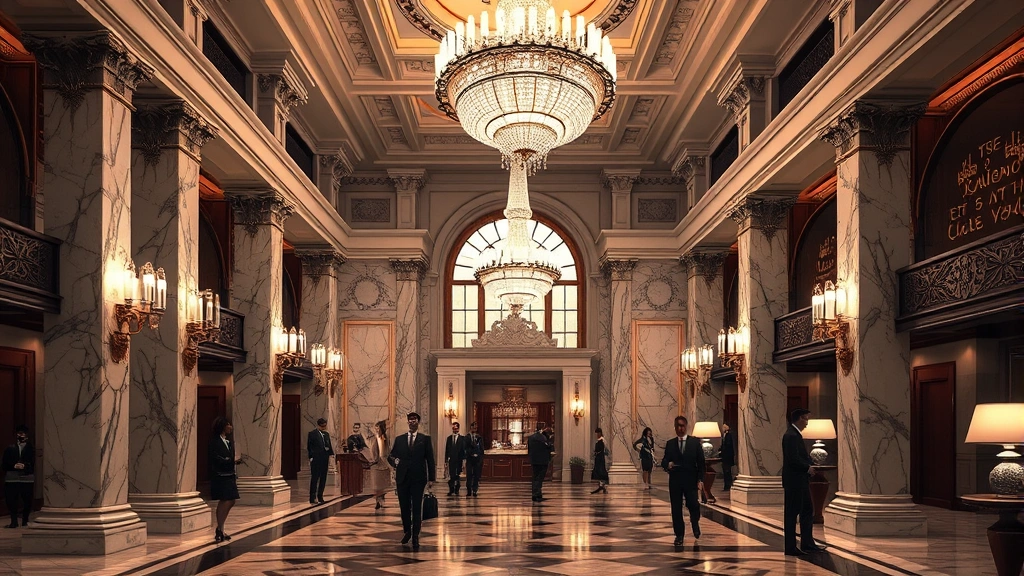
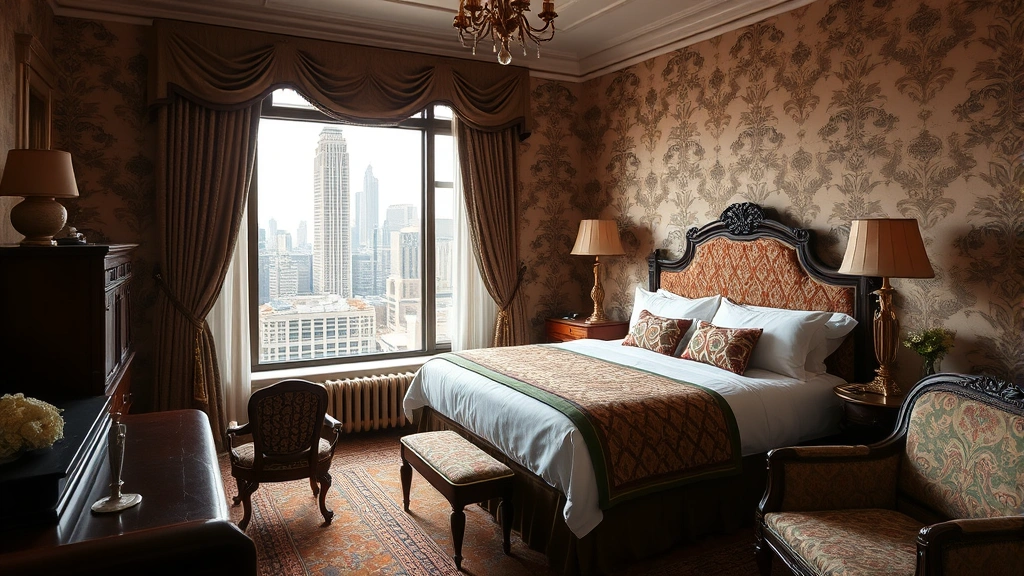
The interior spaces reflected equally sophisticated design principles, with grand lobbies, elegant dining facilities, and meticulously appointed guest rooms that represented the height of contemporary luxury. The hotel featured multiple restaurants and bars, reflecting the diverse dining preferences of its international clientele. The design philosophy emphasized both functionality and aesthetic appeal, creating spaces that facilitated efficient operations while maintaining an atmosphere of grandeur and comfort.
One of the Hotel Pennsylvania’s most notable design innovations was its telephone exchange system. The property became famous for its telephone number: Pennsylvania 6-5000, which was later immortalized in a popular 1940s song. This seemingly mundane detail actually represented a significant technological achievement—the hotel’s telephone infrastructure was state-of-the-art, allowing guests unprecedented connectivity and enabling the property to manage its vast operation with greater efficiency than competitors.
The Golden Age of Hospitality
Throughout the 1920s and 1930s, the Hotel Pennsylvania represented the pinnacle of American hospitality. The property attracted wealthy business travelers, celebrities, dignitaries, and tourists from around the world. The hotel’s location near Penn Station and proximity to Times Square made it an ideal base for visitors exploring Manhattan’s commercial and entertainment districts. During this golden age, the property’s management focused on creating memorable experiences that justified premium pricing and fostered customer loyalty.
The hotel’s restaurants and entertainment venues became destinations in their own right, drawing patrons who might not be staying at the property. The Grill Room served as a gathering place for business executives, while the various lounges and bars provided spaces for social interaction and networking. This diversified revenue model proved highly successful, allowing the hotel to maintain profitability even during economic downturns by attracting customers beyond overnight guests.
The staffing levels during this period reflected the property’s commitment to service excellence. The hotel employed hundreds of workers across various departments—housekeeping, food service, maintenance, and administrative functions. This substantial workforce required comprehensive training and management systems, making the Hotel Pennsylvania a significant employer in Manhattan. The property’s success in managing such a large operation influenced how other hotels approached staff development and operational procedures.
When considering accommodation options, travelers often compare different property types. Understanding hotel versus motel distinctions helps clarify why full-service properties like the Hotel Pennsylvania commanded premium pricing and attracted affluent clientele seeking comprehensive amenities and personalized service.
Cultural Impact and Notable Guests
The Hotel Pennsylvania’s guest registry reads like a who’s who of twentieth-century culture, politics, and commerce. The property hosted presidents, entertainment icons, and influential business leaders who shaped American history. These notable stays contributed to the hotel’s prestige and cultural significance, making it more than merely a commercial establishment—it became a landmark associated with American achievement and sophistication.
The property’s location and reputation made it a natural choice for visiting dignitaries and celebrities attending events in New York City. The hotel’s management understood the value of discretion and privacy, cultivating relationships with prominent guests that encouraged repeat visits and word-of-mouth recommendations among elite circles. This reputation for reliability and excellence became one of the Hotel Pennsylvania’s most valuable assets, distinguishing it from competitors and justifying premium rates.
Beyond individual guest experiences, the Hotel Pennsylvania influenced American popular culture. The aforementioned telephone number became nationally recognized through its song, creating a form of cultural branding that predated modern marketing techniques. This organic integration into American consciousness enhanced the property’s prestige and made it recognizable to audiences who might never visit the hotel in person.
For those planning extended stays or seeking comprehensive hospitality services, understanding hotel room service menu options reveals how properties like the Pennsylvania differentiated themselves through superior food service and culinary offerings that catered to guests’ diverse preferences and dietary requirements.
Challenges and Modernization Efforts
Like many historic hotels, the Hotel Pennsylvania faced significant challenges as travel patterns, guest expectations, and competitive dynamics evolved throughout the late twentieth century. The rise of suburban hotels, airport properties, and boutique establishments created new competitive pressures that forced historic properties to reconsider their positioning and service offerings. The Hotel Pennsylvania’s aging infrastructure required substantial capital investment to maintain competitiveness with newer properties featuring contemporary amenities.
The transition from the Pennsylvania Railroad’s ownership to subsequent management companies reflected broader changes in the hospitality industry. Different operators pursued various strategies to modernize the property while preserving its historic character—a delicate balance that required careful decision-making about which renovations enhanced guest experience without destroying architectural integrity. Guest room updates, technology infrastructure improvements, and facility upgrades proceeded incrementally, reflecting both financial constraints and preservation concerns.
The hotel industry’s shift toward corporate chains and branded properties created additional competitive pressures. Properties like the Hotel Pennsylvania, while historically significant, lacked the brand recognition and marketing infrastructure of major hospitality corporations. This disadvantage required creative positioning strategies and emphasis on the property’s unique historical character as a differentiating factor in increasingly crowded markets.
Understanding hotel cancellation policies becomes particularly important for guests considering historic properties, as older establishments sometimes maintain different operational procedures compared to chain hotels, affecting booking flexibility and guest protections.
Preservation and Future Considerations
The Hotel Pennsylvania’s future has been subject to considerable discussion and debate within preservation and development circles. The property’s location on valuable Manhattan real estate creates ongoing tension between preservation interests and development pressures. Historic preservation advocates recognize the building’s cultural and architectural significance, arguing for its retention and restoration. Conversely, real estate developers see opportunities for more intensive development that could generate greater financial returns.
Recent years have seen renewed interest in the Hotel Pennsylvania’s preservation status and potential redevelopment scenarios. Various proposals have been advanced, ranging from comprehensive restoration to adaptive reuse approaches that would maintain the building’s exterior while substantially modifying interior spaces for contemporary uses. These discussions reflect broader tensions in American cities between honoring historic heritage and accommodating contemporary development demands.
The property’s fate carries implications beyond its immediate impact. The Hotel Pennsylvania represents a category of early twentieth-century hotels that face uncertain futures in contemporary real estate markets. How cities and property owners address these historic hospitality landmarks will influence broader preservation outcomes and shape urban character in coming decades. Successful preservation models can demonstrate financial viability, encouraging investment in other threatened historic properties.
Learning from Historic Hotels
The Hotel Pennsylvania’s history offers valuable lessons for property owners, hospitality professionals, and urban planners navigating contemporary challenges. Historic hotels demonstrate that successful properties balance operational efficiency with guest experience, maintain relevance through strategic adaptation, and leverage their unique characteristics as competitive advantages. These principles remain applicable regardless of property age or market conditions.
For travelers seeking distinctive experiences, historic properties often provide character and authenticity that newer, standardized hotels cannot replicate. The Hotel Pennsylvania’s architectural details, spatial configurations, and accumulated history create an environment fundamentally different from contemporary chain hotels. This differentiation has value for guests seeking memorable stays and meaningful connections to places they visit.
Property managers working with historic buildings must navigate preservation requirements, building code compliance, and guest expectations simultaneously. The Hotel Pennsylvania’s experience demonstrates both the challenges and opportunities inherent in managing heritage properties. Successful adaptation requires deep understanding of a building’s historical significance, creative problem-solving regarding modern requirements, and commitment to maintaining character while improving functionality.
For those exploring diverse accommodation options, hotels with rooftop amenities represent modern approaches to creating distinctive guest experiences, contrasting with the Hotel Pennsylvania’s historical approach to hospitality design and urban integration.
Urban development professionals can study the Hotel Pennsylvania’s relationship to Penn Station and surrounding infrastructure, understanding how transportation hubs historically anchored hospitality districts and generated consistent guest flow. These insights remain relevant as cities plan transit-oriented development and seek to revitalize underperforming areas through strategic property development and preservation initiatives.
FAQ
When did the Hotel Pennsylvania originally open?
The Hotel Pennsylvania opened in 1919, built by the Pennsylvania Railroad Company adjacent to Penn Station. The timing reflected post-World War I economic optimism and the anticipated demand for quality accommodation serving Penn Station’s millions of annual passengers.
Who designed the Hotel Pennsylvania?
The renowned architectural firm McKim, Mead & White designed the Hotel Pennsylvania, applying Beaux-Arts design principles that emphasized classical proportions, symmetry, and ornamental detailing characteristic of early twentieth-century institutional architecture.
What was significant about the hotel’s telephone number?
The Hotel Pennsylvania’s telephone number, Pennsylvania 6-5000, became nationally famous after being immortalized in a 1940s popular song. This number represented state-of-the-art telephone infrastructure and became an early example of organic cultural branding.
How many rooms did the original Hotel Pennsylvania include?
The original property featured approximately 2,200 rooms, making it one of the world’s largest hotels when it opened. This ambitious scale required innovative management systems and operational procedures that influenced hotel industry practices.
What challenges has the Hotel Pennsylvania faced?
Like many historic hotels, the Hotel Pennsylvania has faced competition from newer properties, changing travel patterns, aging infrastructure requiring modernization, and tension between preservation interests and development pressures on valuable Manhattan real estate.
Is the Hotel Pennsylvania still operating as a hotel?
The Hotel Pennsylvania’s operational status and ownership have changed multiple times throughout its history. The property’s future remains subject to discussion regarding preservation, adaptive reuse, or redevelopment, reflecting broader debates about historic hotel preservation in contemporary real estate markets.
Why is the Hotel Pennsylvania historically significant?
The Hotel Pennsylvania represents early twentieth-century American hospitality excellence, architectural achievement, and urban development. Its location, scale, design, and cultural prominence make it significant to understanding both hotel history and New York City’s development during this transformative period.
How can travelers learn more about historic hotels?
Exploring properties with distinctive characteristics provides direct experience with historic hospitality design. Resources like the National Trust for Historic Preservation, architectural history publications, and tourism organizations offer detailed information about significant historic properties and preservation efforts.