Hotel Pans vs. Regular Pans: Chef Insights and Kitchen Decisions
When outfitting a kitchen—whether you’re a home cook, a professional chef, or managing a hospitality operation—the choice between hotel pans and regular cookware can significantly impact your cooking efficiency, food quality, and overall kitchen workflow. Hotel pans, also called steam table pans or gastronorm containers, have become industry standards in commercial kitchens, but their advantages extend beyond professional settings. Understanding the differences between these specialized pans and conventional cookware helps you make informed decisions about your culinary investments.
The culinary world often overlooks the importance of proper pan selection, yet this choice affects everything from heat distribution to portion control to storage efficiency. Whether you’re preparing meals at a luxury beachfront hotel or cooking at home, understanding pan specifications ensures you achieve consistent results. This comprehensive guide explores the practical differences, advantages, and considerations that should guide your pan selection strategy.
What Are Hotel Pans and How Do They Work?
Hotel pans represent a standardized approach to food preparation and storage that revolutionized commercial kitchen operations. These rectangular stainless steel containers follow the Gastronorm (GN) standard, an international sizing system that ensures compatibility across different equipment and facilities. The most common hotel pan size is the full-size pan, measuring 12.75 by 20.75 inches, though half, third, and quarter sizes are also widely available.
The primary function of hotel pans extends beyond simple cooking vessels. They serve simultaneously as cooking containers, storage units, and presentation dishes. This versatility makes them invaluable in operations ranging from high-volume 5-star hotel kitchens to catering companies to institutional food service. The standardized dimensions allow hotel pans to fit perfectly into steam tables, warming drawers, refrigeration units, and convection ovens, creating a seamless workflow that minimizes handling and maintains food temperatures efficiently.
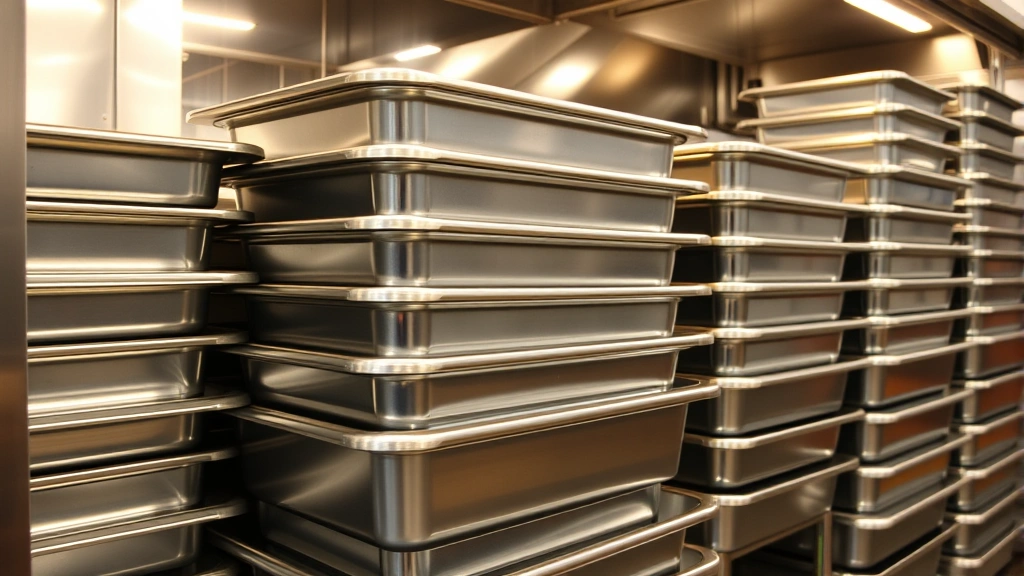
Hotel pans typically feature sloped sides and reinforced edges, design elements that facilitate easy stacking, nesting, and transport. The rolled edges prevent sharp corners that could injure handlers or damage other equipment. Many professional models include handles or grip areas, though some streamlined designs prioritize stackability over ergonomic features.
Key Differences Between Hotel Pans and Regular Cookware
Regular cookware—traditional saucepans, skillets, and baking dishes—serves different purposes and operates under different design principles than hotel pans. While regular pans excel at individual cooking tasks, hotel pans optimize for volume, consistency, and operational efficiency across multiple stations and service periods.
Dimensional Standardization: Regular pans vary widely in size and shape, reflecting diverse cooking applications. Hotel pans follow strict Gastronorm specifications, ensuring uniform dimensions that accommodate standard kitchen infrastructure. This standardization means a full-size hotel pan will fit any commercial steam table, while regular pans require custom accommodations.
Material Thickness: Professional hotel pans typically use heavier-gauge stainless steel (often 18/8 or 18/10 composition) than most home cookware. This increased thickness provides superior durability for high-volume use, better heat distribution, and longer operational lifespan. Regular pans often use lighter gauge materials optimized for cost efficiency and home kitchen space constraints.
Heat Retention Properties: Hotel pans excel at maintaining consistent temperatures over extended periods, critical when serving large numbers of guests. Regular cookware prioritizes responsive heat changes, allowing home cooks to adjust temperatures quickly for various cooking techniques. At establishments like hotels with beach access, kitchen staff rely on hotel pans’ thermal stability throughout busy service periods.
Capacity and Portioning: Hotel pans accommodate significantly larger quantities than regular cookware, with full-size pans holding 10-12 quarts. Regular pans typically hold 2-6 quarts, reflecting individual or small group preparation. This capacity difference directly affects kitchen efficiency and labor requirements.
Material Composition and Durability
The construction quality of hotel pans versus regular cookware reveals fundamental differences in intended use and longevity expectations. Professional hotel pans typically feature premium stainless steel construction with specific alloy compositions that resist corrosion, staining, and warping under demanding conditions.
Stainless Steel Grades: Hotel pans commonly use 18/8 stainless steel (18% chromium, 8% nickel) or premium 18/10 compositions. These alloys provide superior corrosion resistance compared to standard 300-series stainless steel found in many consumer products. The higher nickel content improves resistance to acidic foods and frequent washing in commercial dishwashing systems operating at temperatures exceeding 180 degrees Fahrenheit.
Regular cookware often employs lighter-gauge materials or layered construction, where a stainless steel exterior covers aluminum or copper cores. While this approach improves heat conductivity and reduces weight, it sacrifices some durability and longevity. The layered construction can separate after repeated thermal cycling, though this typically occurs after years of home use.
Reinforcement and Edge Design: Hotel pans feature reinforced rims and rolled edges specifically engineered to withstand repeated stacking, handling, and transport. These structural reinforcements prevent denting, warping, and edge damage that would render regular cookware unusable. Many hotel pans include a 1-inch rim that provides additional structural support and handling safety.
Warranty and Lifespan: Professional-grade hotel pans typically carry warranties reflecting 5-10 year expected service lives under commercial conditions, often with replacement guarantees. Regular cookware warranties generally cover 1-3 years, acknowledging the different durability expectations. In reality, well-maintained hotel pans often remain functional for 15-20 years, while quality regular cookware typically serves 7-10 years with proper care.
Heat Distribution and Cooking Performance
Heat distribution characteristics differ significantly between hotel pans and regular cookware, reflecting their divergent operational demands. Understanding these differences helps users select appropriate equipment for specific cooking tasks and techniques.
Thermal Conductivity: Hotel pans prioritize consistent heat distribution across the entire cooking surface to ensure uniform food preparation across large volumes. The heavier gauge stainless steel and standardized thickness facilitate this even heat transfer. Regular cookware, particularly those with copper or aluminum cores, often provides superior thermal conductivity for responsive cooking, allowing rapid temperature adjustments crucial for techniques like sautéing or sauce reduction.
Hot Spot Minimization: Professional hotel pans are engineered to eliminate hot spots that cause uneven cooking or food quality inconsistencies. The thicker construction and standardized dimensions reduce localized temperature variations. Regular pans may develop hot spots, particularly in lower-quality models, requiring cooks to rotate pans or adjust burner positions during cooking.
Oven Performance: Hotel pans excel in convection ovens, the standard in professional kitchens. Their flat surfaces and standardized dimensions allow air circulation that promotes even browning and cooking. Regular cookware sometimes shows uneven results in convection settings, though modern designs minimize this issue. The sloped sides of hotel pans also facilitate easier access to contents during cooking and plating.
Stovetop Compatibility: Regular cookware generally performs better on stovetops due to lighter weight and design optimizations for direct heat. Hotel pans, while stovetop-compatible, are heavier and require more careful handling. Most professional kitchens use hotel pans primarily with steam tables, warming drawers, and ovens rather than direct stovetop heat, where their advantages diminish.
Storage and Space Efficiency
One of hotel pans’ most significant advantages in commercial settings is their stackability and storage efficiency. This practical benefit translates into measurable cost savings and operational improvements in any high-volume kitchen environment.
Nesting and Stacking Capability: Hotel pans stack and nest efficiently due to their standardized rectangular shape and reinforced construction. A single shelf can accommodate 8-12 full-size pans, compared to 2-4 regular cookware items. This stacking efficiency reduces storage space requirements by 60-75%, a substantial consideration in expensive commercial kitchen real estate.
Refrigeration Integration: Hotel pans fit standard commercial refrigeration units designed around Gastronorm dimensions. Foods prepared in hotel pans can move directly from cooking to storage without transferring to different containers. This direct-to-fridge workflow reduces labor, prevents cross-contamination, and maintains food temperatures during transitions. Regular cookware requires additional storage containers, multiplying equipment needs and cleaning requirements.
Steam Table Compatibility: During service, hotel pans nestle perfectly into steam table wells, maintaining precise temperature control and presentation. The standardized fit eliminates gaps that waste heat or create safety hazards. Regular cookware requires custom inserts or accommodations, compromising efficiency and presentation consistency.
Transport and Mobility: Hotel pans’ uniform dimensions and stacking capability facilitate easier transport between kitchen stations, storage areas, and service lines. Commercial kitchens often use specialized mobile racks holding multiple stacked pans, enabling efficient movement of large food quantities. This mobility advantage becomes particularly valuable during high-volume events at hotels near me with pool or catering operations.
Cost Considerations and Budget Planning
The financial comparison between hotel pans and regular cookware requires examining both initial investment and long-term operational costs. While hotel pans typically cost more per unit initially, their durability and efficiency often justify the expense.
Initial Purchase Price: Quality hotel pans range from $15-40 per full-size pan depending on thickness and construction quality. Professional-grade models from established manufacturers cost toward the higher end. Regular cookware varies dramatically, from $20-200+ per item depending on brand and construction. For single pieces, regular cookware can appear cost-competitive, but volume calculations favor hotel pans.
Total Cost of Ownership: When calculating equipment costs across a full kitchen operation, hotel pans demonstrate superior value. A kitchen requiring ten cooking vessels might invest $400-600 in hotel pans versus $600-1200 in quality regular cookware. Over 10-year lifespans, hotel pans’ superior durability and reduced replacement costs yield 30-40% savings.
Labor Cost Impact: Hotel pans’ efficiency advantages translate into measurable labor savings. Direct refrigeration storage eliminates transfer time and labor. Standardized sizing reduces decision-making and setup time. Stackability minimizes storage organization effort. These modest individual savings compound substantially in high-volume operations.
Replacement and Maintenance: Professional hotel pans rarely require replacement due to damage, while regular cookware occasionally needs replacement due to warping, coating damage, or handle failures. Hotel pans’ minimal maintenance requirements and extended lifespan reduce long-term equipment budgets.
Professional Kitchen Applications
Hotel pans represent the standardized solution for professional kitchens, and understanding their specific applications illuminates why they’ve become industry standard across diverse foodservice environments.
Hotel and Restaurant Operations: Professional kitchens at best hotels in Santa Fe and similar establishments rely entirely on hotel pans for consistency and efficiency. From mise en place preparation through final plating, hotel pans accommodate the workflow. Chefs prepare components in hotel pans, store them in compatible refrigeration, and reheat in steam tables or ovens without transferring between containers.
Catering and Event Operations: Catering companies depend on hotel pans for transporting large quantities to off-site venues. The standardized dimensions ensure compatibility with mobile warming equipment and serving stations. Event planners can accurately predict capacity and transport requirements based on hotel pan quantities.
Institutional Food Service: Schools, hospitals, corporate cafeterias, and military dining facilities standardize on hotel pans for operational consistency. The high-volume requirements and need for standardized portions make hotel pans essential. These institutions often operate multiple serving lines, and hotel pans’ compatibility with various equipment ensures consistent service across all stations.
Bakeries and Pastry Operations: Commercial bakeries use hotel pans extensively for proofing dough, mixing batters, and storing baked goods. The consistent dimensions ensure uniform baking results. Pastry chefs value the stackability for managing numerous components simultaneously.
Prep Kitchen Efficiency: In high-volume kitchens, prep cooks work exclusively with hotel pans, creating standardized components that line cooks combine during service. This assembly-line approach to food preparation requires standardized containers, and hotel pans provide the infrastructure making this system possible.
Home Kitchen Adaptations
While hotel pans originated in professional settings, home cooks increasingly discover their practical value for specific applications. Understanding how to adapt commercial equipment for residential kitchens opens possibilities for improved efficiency and organization.
Bulk Cooking and Meal Preparation: Home cooks preparing meals for multiple days or freezing components benefit from hotel pans’ larger capacity. A single hotel pan holds enough prepared food for multiple servings, reducing the number of containers needed for storage. This efficiency appeals to meal-prep enthusiasts managing weekly cooking schedules.
Entertaining and Hosting: When preparing food for gatherings, hotel pans facilitate organized preparation and serving. A full-size pan accommodates enough prepared dishes for 12-20 people. The stackability allows efficient refrigeration of multiple components before combining for final presentation.
Garden Produce Processing: Home gardeners processing large harvests find hotel pans invaluable for washing, sorting, and preparing vegetables for preservation. The large surface area and depth accommodate substantial quantities while remaining manageable.
Storage Optimization: Home kitchens with limited storage space benefit from hotel pans’ stackability. Two or three full-size pans occupy minimal refrigerator space compared to multiple smaller containers holding equivalent volumes.
Oven Cooking: Home cooks with convection ovens discover hotel pans optimize cooking performance. The standardized dimensions and flat surfaces ensure even air circulation. However, standard home ovens may accommodate only one full-size pan, limiting the advantage.
Sourcing Considerations: Home cooks interested in hotel pans should consider restaurant supply stores, online retailers specializing in commercial equipment, and increasingly, mainstream kitchen retailers recognizing residential demand. Pricing for home purchases typically exceeds commercial bulk pricing, but individual pans remain reasonably affordable.
Space and Workflow Reality: Most home kitchens lack steam tables, warming drawers, and other infrastructure where hotel pans excel. The equipment’s advantages diminish in residential settings, making regular cookware often more practical despite hotel pans’ theoretical benefits. Home cooks should honestly assess whether their kitchen layout and cooking patterns justify hotel pan investment.
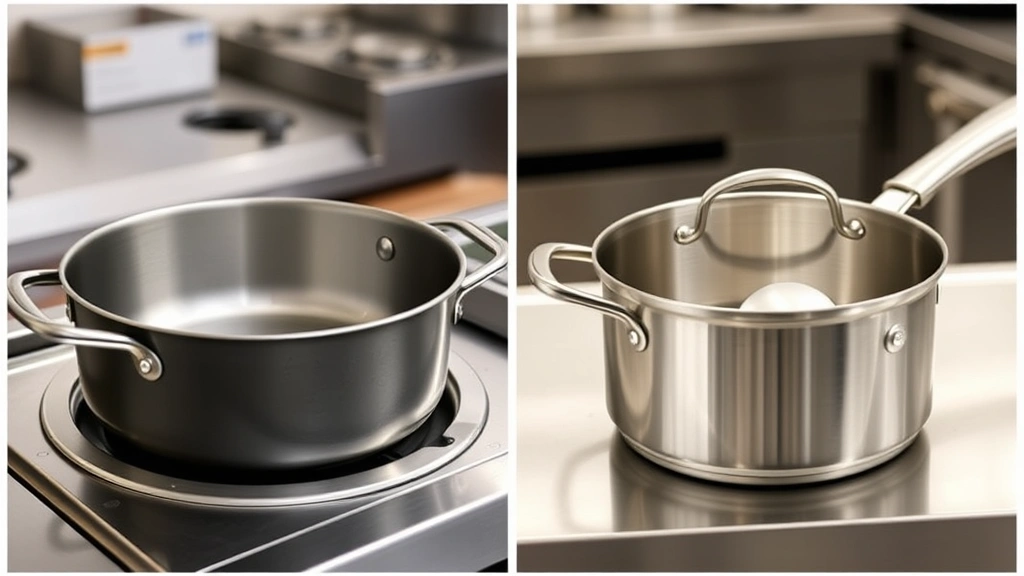
Hybrid Approach: Many home cooks adopt a hybrid strategy, maintaining regular cookware for daily cooking while adding one or two hotel pans for specific applications like entertaining, meal prep, or bulk cooking. This approach captures hotel pans’ benefits without requiring complete equipment replacement.
Practical Selection Criteria
Choosing between hotel pans and regular cookware requires honest assessment of your specific cooking needs, kitchen infrastructure, and operational priorities. Neither option represents a universal best choice; rather, each excels in specific contexts.
Choose Hotel Pans If: You operate a commercial kitchen or catering business, prepare food in high volumes, need standardized portion control, require equipment compatibility with steam tables or commercial refrigeration, prioritize storage efficiency, or operate in institutional food service environments.
Choose Regular Cookware If: You cook primarily for individuals or small families, need responsive heat control for various cooking techniques, lack commercial kitchen infrastructure, prioritize ergonomics and ease of handling, or prefer traditional cooking methods like stovetop sautéing.
Consider Hotel Pans If: You frequently entertain large groups, prepare meals in bulk for freezing, garden extensively and process large produce quantities, operate a home kitchen with modern amenities, or value organization and storage optimization highly.
FAQ
What sizes do hotel pans come in?
Hotel pans follow Gastronorm standards with common sizes including full-size (12.75 x 20.75 inches), half-size (12.75 x 10.375 inches), third-size (6.9 x 20.75 inches), and quarter-size (6.9 x 10.375 inches). Specialty sizes also exist for specific applications. Depth options typically range from 2 to 6 inches, with 2.5 and 4-inch depths being most common.
Can hotel pans be used on stovetops?
Yes, most stainless steel hotel pans work on stovetops, though they’re heavier and less responsive than regular cookware. Professional kitchens rarely use hotel pans for stovetop cooking, preferring them for oven, steam table, and warming applications where their advantages shine.
Are hotel pans dishwasher safe?
Professional-grade hotel pans are dishwasher safe and designed for commercial dishwashing systems. The stainless steel construction withstands high temperatures and aggressive washing cycles. Hand washing with mild detergent also works well and may extend lifespan in home use.
How much more durable are hotel pans compared to regular cookware?
Quality hotel pans typically last 15-20 years under commercial conditions, compared to 7-10 years for quality regular cookware. The heavier gauge materials, reinforced construction, and professional engineering account for this durability difference. Proper care extends lifespan for both types substantially.
What’s the best way to store hotel pans?
Hotel pans stack efficiently when nested properly, with the largest pans on bottom and progressively smaller sizes stacked above. Store in cool, dry locations away from acidic foods or corrosive materials. Many commercial kitchens use mobile racks specifically designed for hotel pan storage.
Can I use hotel pans in a home convection oven?
Yes, if your convection oven accommodates full-size hotel pans. Check your oven’s interior dimensions before purchasing. Many home convection ovens fit half-size or third-size pans comfortably. Hotel pans perform excellently in convection ovens, providing even heat distribution and consistent cooking results.
Where can I purchase hotel pans?
Restaurant supply stores, online retailers specializing in commercial kitchen equipment, and increasingly mainstream kitchen retailers carry hotel pans. Prices vary based on material quality and thickness. Bulk purchases from commercial suppliers typically offer better per-unit pricing than retail channels. Look for commercial kitchen equipment suppliers, wholesale distributors, and specialty retailers for competitive pricing.
What material thickness should I choose?
Professional applications typically use 18-gauge stainless steel (1.5mm thickness) or heavier. Home users can often use 20-gauge (0.75mm) for lighter-duty applications. Thicker materials cost more but provide superior durability and heat distribution. For institutional or high-volume use, invest in premium thickness; for occasional home use, standard thickness suffices.