Affordable Hotel Stays? Insider Tips for Budget-Conscious Travelers
Finding affordable hotel accommodations doesn’t mean sacrificing comfort or quality. Whether you’re planning a weekend getaway, a business trip, or an extended stay, strategic planning and insider knowledge can help you secure excellent rates without breaking the bank. The hotel industry is more competitive than ever, and savvy travelers who understand booking patterns, seasonal trends, and negotiation tactics can save significantly on their lodging expenses.
The key to affordable hotel stays lies in understanding how hotels price their rooms, when demand fluctuates, and which booking methods offer the best value. By implementing the strategies outlined in this guide, you’ll learn how to navigate the complex world of hotel pricing and discover opportunities to stretch your travel budget further. From timing your bookings to leveraging loyalty programs and exploring alternative accommodation options, these insider tips will transform how you approach hotel reservations.
Understanding Hotel Pricing Dynamics
Hotel pricing is far from static. Unlike retail products with fixed prices, hotels use dynamic pricing algorithms that adjust room rates based on multiple factors including occupancy levels, local events, seasonality, and competitor pricing. Understanding these mechanisms empowers you to anticipate price changes and book at optimal times.
Hotels typically operate with yield management systems that maximize revenue per available room. During high-demand periods—such as holidays, major events, or peak tourist seasons—prices spike dramatically. Conversely, during shoulder seasons and weekdays, hotels often drop rates to fill empty rooms. Business hotels in downtown areas tend to be expensive on weekdays when corporate travelers are in town, but offer bargains on weekends. Resort destinations show the opposite pattern, with weekend premiums and weekday discounts.
The concept of “rack rate” is crucial to understand. This is the hotel’s official published rate, but it’s rarely what guests actually pay. Hotels typically discount 20-40% off rack rates through various channels. By knowing this, you can better evaluate whether a quoted rate represents genuine savings or inflated pricing.
Timing Your Booking for Maximum Savings
Research consistently shows that booking timing significantly impacts hotel prices. The optimal booking window varies depending on your destination and travel dates, but general guidelines can help you secure better rates.
For domestic travel within the United States, studies indicate that booking 1-3 months in advance typically yields the best prices. For international travel, extending this window to 2-3 months ahead often proves advantageous. However, last-minute deals can offer substantial savings if you have flexibility. Hotels often reduce rates 7-10 days before the arrival date to fill remaining inventory, particularly for off-peak periods.
Day-of-week matters significantly. Hotel prices typically peak on Friday and Saturday nights, while Sunday through Thursday offer lower rates. If your travel dates are flexible, shifting your stay by even one or two days can result in 20-30% savings. Additionally, avoid booking during major holidays, school breaks, and special events in your destination city. These periods command premium pricing across nearly all accommodations.
Monitor price trends using historical data tools. Many hotel comparison sites offer price tracking features that alert you when rates drop for your selected dates. Set up price watches for your desired hotels and wait for favorable pricing before committing to a reservation.
Leveraging Hotel Comparison Platforms
Online travel agencies and hotel comparison websites have revolutionized how travelers search for accommodations. Platforms like Kayak, Booking.com, and Expedia aggregate rates from multiple sources, making price comparison effortless. These platforms often have exclusive deals unavailable elsewhere, and they provide transparent information about cancellation policies, amenities, and guest reviews.
However, not all comparison sites display all available rates. Some hotels restrict certain rates to specific channels, meaning you might find better prices on a hotel’s direct website than through third-party platforms. The best strategy involves checking both comparison sites and hotel websites directly to ensure you’re accessing the lowest available rate.
Pay attention to filter options on comparison platforms. You can narrow results by price range, amenities, guest ratings, and location. Many travelers overlook that filtering for properties with free WiFi and complimentary internet can add significant value, effectively reducing your true accommodation cost when you factor in avoided internet service fees.

Membership Programs and Loyalty Rewards
Hotel loyalty programs offer tangible benefits that accumulate over time. Major hotel chains—including Marriott, Hilton, IHG, Hyatt, and Wyndham—provide free membership enrollment with earning potential on every stay. Points can be redeemed for free nights, upgrades, or other amenities, effectively reducing your accommodation costs.
For frequent travelers, elite status within loyalty programs unlocks additional perks including complimentary room upgrades, late checkout, free breakfast, and bonus points. Even occasional travelers benefit from basic membership, earning points toward future stays. The key is consolidating your bookings with one hotel chain or loyalty program to accumulate points faster and reach status thresholds that unlock premium benefits.
Credit card partnerships amplify loyalty benefits. Co-branded hotel credit cards often provide welcome bonuses worth 40,000-100,000 points, annual free night certificates, and accelerated point earning. For travelers who meet minimum spending requirements, these cards can provide substantial value. However, evaluate annual fees against expected benefits to ensure positive return on investment.
Some loyalty programs offer status matching and challenge opportunities. If you’re close to achieving elite status, inquiries to hotel loyalty customer service sometimes result in status matches or challenges allowing you to reach the next tier through accelerated earning within a specific timeframe.
Direct Booking Advantages
Booking directly with hotels through their official websites offers several advantages beyond what third-party platforms provide. Direct bookings often qualify for exclusive rates, loyalty points, and special amenities unavailable through intermediaries.
Many hotels guarantee rate matching, promising that if you find a lower rate elsewhere for the same dates and room type, they’ll match it. This eliminates risk when booking directly. Additionally, direct bookings often provide more flexibility with cancellations, modifications, and special requests. Hotel staff can better accommodate last-minute changes and preferences when you’re a direct customer rather than a third-party booking.
Calling hotels directly sometimes yields better results than online booking. Hotel revenue managers have authority to negotiate rates, especially for extended stays or group bookings. A friendly conversation with the hotel’s front desk or reservations manager might secure rates 10-20% lower than advertised online prices, particularly during slower periods.
When booking directly, inquire about package deals. Many hotels bundle room rates with breakfast, parking, or activity credits, effectively reducing your total cost. These packages often aren’t advertised prominently and must be specifically requested.
Alternative Accommodation Strategies
Sometimes the most affordable “hotel” stays involve exploring alternatives to traditional hotel rooms. Vacation rentals, hostels, extended-stay hotels, and alternative lodging platforms offer competitive pricing with unique advantages.
Vacation rental platforms provide full kitchens, multiple bedrooms, and living spaces at competitive rates, particularly for multi-night stays or group travel. While nightly rates might exceed budget hotels, the ability to prepare meals and share accommodations among multiple travelers reduces per-person costs substantially. Extended-stay hotels target longer visits and offer significant discounts for stays exceeding one week, often including kitchenettes or full kitchens.
For solo travelers or social adventurers, hostels provide dormitory-style accommodation at fraction of hotel costs. Many modern hostels offer private rooms alongside shared dormitory options, providing flexibility. Hostels often include social activities, kitchen facilities, and insider local knowledge from staff.
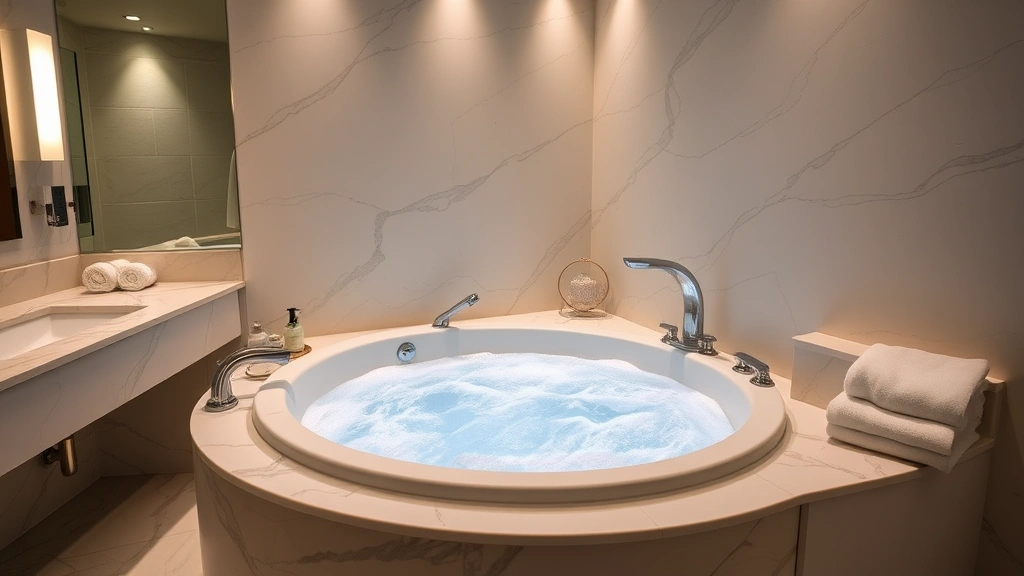
Consider hotels near you with pool amenities or hotels offering jacuzzi in-room features when luxury amenities matter to you. These properties often compete on amenities rather than base rates, providing better value for guests seeking specific features.
Negotiation Tactics and Special Requests
Many travelers don’t realize that hotel rates are negotiable, particularly during slow periods. If you’re booking multiple nights, extended stays, or visiting during off-season, contact hotels directly and request discounted rates. Revenue managers often have flexibility to reduce prices for bookings that guarantee occupancy.
Special requests can unlock hidden value. Asking about room upgrades, late checkout, or complimentary breakfast might result in positive responses, especially if you’re flexible with room location or willing to book during less desirable times. Hotels frequently offer these amenities at minimal cost to them but substantial value to guests.
Mentioning special occasions—anniversaries, birthdays, honeymoons—sometimes results in complimentary upgrades or amenities. While not guaranteed, hotels appreciate advance notice of celebrations and often go above and beyond for guests marking special milestones. Explore best hotels for honeymooners and romantic destinations if you’re celebrating special occasions.
Building relationships with specific hotel properties or chains increases likelihood of favorable treatment. When you consistently book with the same hotel or chain, staff recognize you as a valued customer and are more inclined to accommodate requests and offer perks.

For those seeking upscale experiences at reduced rates, explore luxury beachfront hotels and ultimate guides to perfect seaside stays during shoulder seasons when premium properties offer significant discounts to maintain occupancy.
FAQ
What’s the best time to book a hotel for the cheapest rates?
For domestic travel, booking 1-3 months in advance typically offers optimal pricing. Last-minute bookings 7-10 days before arrival can also yield savings during off-peak periods. Avoid major holidays, school breaks, and local events that spike demand and rates.
Should I book through third-party websites or directly with hotels?
Check both options, as rates vary. Third-party sites often have exclusive deals, but hotels frequently offer better rates and benefits for direct bookings. Many hotels offer rate-matching guarantees, making direct booking risk-free. Compare options before committing.
How can I maximize hotel loyalty program benefits?
Consolidate all bookings with one hotel chain to accumulate points faster. Enroll in free membership programs, consider co-branded credit cards for accelerated earning, and monitor elite status thresholds. Points accumulate toward free nights and room upgrades.
Are there real savings from package deals?
Yes, hotel packages bundling rooms with breakfast, parking, or activities often provide better value than booking components separately. These packages aren’t always prominently advertised, so contact hotels directly to inquire about available options.
What negotiation tactics work for hotel rate reductions?
Contact hotels directly for extended stays, group bookings, or off-season travel. Request special amenities or upgrades, mention celebrations or special occasions, and build relationships with specific properties. Revenue managers have flexibility to offer discounts during slower periods.
Can alternative accommodations provide better value than hotels?
Absolutely. Vacation rentals, hostels, and extended-stay properties offer competitive pricing with unique advantages. Vacation rentals with kitchens reduce meal costs, while hostels cater to budget-conscious travelers. Extended-stay hotels offer significant weekly discounts.