Invest in a Hotel? Real Estate Insights for Hospitality Property Ownership
The hotel industry represents one of the most dynamic segments of commercial real estate, offering investors significant opportunities for revenue generation and portfolio diversification. Whether you’re considering purchasing an existing hotel for sale or developing a new hospitality property, understanding the market landscape, financial mechanics, and operational challenges is essential for making informed investment decisions. This comprehensive guide explores the critical factors that separate successful hotel investments from costly mistakes.
Hotel investments differ fundamentally from residential real estate or other commercial properties. The hospitality sector operates on thin margins, requires active management, involves complex revenue models, and faces cyclical market pressures. However, for investors willing to navigate these complexities, hotels can deliver strong returns through room revenue, ancillary services, and strategic property appreciation. The key lies in thorough due diligence, market analysis, and realistic financial projections.

Understanding Hotel Investment Fundamentals
Before pursuing any hotel for sale, investors must grasp the fundamental business model that drives hospitality properties. Unlike apartment buildings where tenants sign long-term leases, hotels operate on nightly or weekly stays with constantly changing guests. This transient nature creates both opportunities and risks that demand sophisticated management approaches.
The primary revenue stream in hotel operations comes from room sales, measured by metrics like average daily rate (ADR), occupancy percentage, and revenue per available room (RevPAR). RevPAR represents the most critical performance indicator—it combines occupancy and pricing into a single metric that reflects overall property productivity. A property might achieve high occupancy at low rates or low occupancy at premium rates; RevPAR reveals which scenario actually generates better returns.
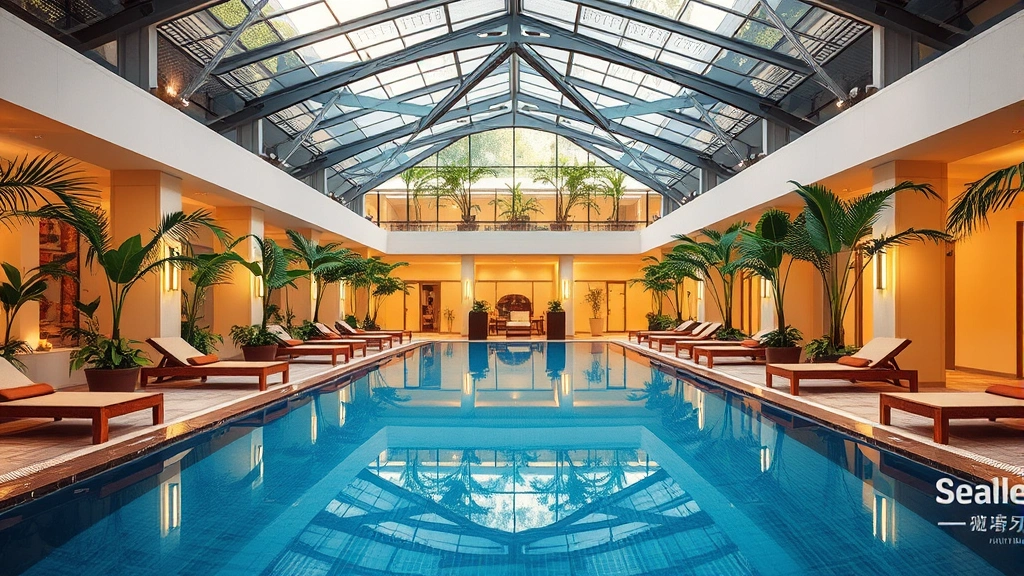
Beyond room revenue, successful hotels generate significant income from ancillary services. Properties offering premium amenities like in-room hot tubs command higher nightly rates and attract guests willing to pay for luxury features. Food and beverage operations, parking fees, spa services, business center charges, and event hosting all contribute to total property income. Forward-thinking investors evaluate hotels with indoor pools and recreational facilities because these amenities justify rate premiums and drive repeat bookings.
Understanding brand affiliation represents another critical fundamental. Independent hotels offer operational flexibility but require self-directed marketing and management. Chain-affiliated properties benefit from brand recognition, centralized reservation systems, and established operational standards, though franchisees pay ongoing royalties and comply with brand standards. This decision significantly impacts both acquisition costs and ongoing expenses.

Market Analysis and Location Selection
Location determines hotel success more than any other factor. Unlike residential rentals where neighborhood quality matters, hotel location hinges on specific demand drivers: proximity to airports, convention centers, attractions, corporate headquarters, or leisure destinations. Analyzing these demand generators reveals whether a property will consistently fill rooms or struggle with seasonal fluctuations.
Competitive analysis requires examining not just direct competitors but the entire market supply and demand dynamic. If you’re considering a hotel for sale in an oversaturated market with excess room inventory, expect pricing pressure and difficulty achieving premium rates. Conversely, markets with limited supply and growing demand offer better revenue potential. Tools like Hospitality Net and Smith Travel Research provide detailed market data, though professional market studies often prove worth their investment.
Tourism trends and economic indicators provide essential context. Markets dependent on leisure travel face volatility from economic downturns, fuel prices, and travel patterns. Corporate travel markets offer more stability but face disruption from remote work trends. Budget hotel segments serve price-sensitive travelers and often demonstrate resilience during downturns, while luxury segments depend on discretionary spending and face greater volatility.
Understanding local regulations, zoning restrictions, and development pipelines prevents costly surprises. A property in a market with significant new hotel construction faces competitive pressure and potential oversupply. Conversely, markets with restrictive zoning or limited development opportunities protect existing properties from excessive competition. Research local government relationships with the hospitality industry and any pending projects that might affect your investment.
Financial Metrics and Performance Analysis
Evaluating a hotel for sale requires analyzing detailed financial statements and understanding the metrics that drive valuation. Experienced investors look beyond simple price-per-room calculations to examine comprehensive operational performance and future potential.
The profit and loss statement reveals revenue sources and expense categories. Room revenue represents the largest income source, followed by food and beverage, and ancillary services. Operating expenses typically include labor (front desk, housekeeping, management), utilities, maintenance, marketing, and franchise fees. Understanding which expenses are fixed versus variable helps model scenarios and identify efficiency opportunities.
Capitalization rate (cap rate) represents the relationship between net operating income and property value. A property generating $500,000 in annual NOI priced at $5,000,000 carries a 10% cap rate. Cap rates vary by market, property type, and condition; stronger markets and newer properties typically command lower cap rates. Comparing potential acquisitions to market cap rates reveals whether a property is fairly priced.
Debt service coverage ratio (DSCR) measures whether operating income sufficiently covers loan payments. Lenders typically require minimum 1.2x to 1.5x DSCR, meaning annual NOI must exceed debt service by that multiple. A property with tight DSCR leaves little margin for revenue fluctuations or unexpected expenses, creating risk for investors.
Days sales outstanding (DSO) and occupancy trends reveal operational efficiency and market positioning. Declining occupancy suggests competitive pressures, poor management, or market softening. Seasonal patterns are normal, but unexplained year-over-year declines warrant investigation. Properties in established leisure markets like Orlando typically demonstrate predictable seasonal patterns that sophisticated investors can model and manage.
Reserve accounts and capital improvement plans deserve careful review. Aging properties require significant capital expenditures; a seller’s deferred maintenance becomes your problem. Industry standards suggest setting aside 5-7% of revenue annually for capital improvements. Properties with aging roofs, HVAC systems, or guest room furnishings require substantial near-term investment that impacts cash flow.
Operational Considerations for Hotel Ownership
Owning a hotel differs fundamentally from passive real estate investment. Even if you employ a professional management company, active oversight remains essential. The hospitality business involves daily operational decisions affecting guest satisfaction, staff retention, and financial performance.
Labor represents the largest controllable expense, typically consuming 30-40% of revenue. Housekeeping, front desk, maintenance, and management staff require competitive wages to maintain quality and reduce turnover. High turnover increases training costs and diminishes service quality, affecting guest satisfaction and repeat business. Successful hotel operators invest in employee development and competitive compensation to build stable teams.
Guest experience directly impacts financial performance through repeat bookings and online reviews. Properties with excellent ratings on review platforms generate more bookings at premium rates. Conversely, poor reviews create downward pricing pressure as potential guests select competitors. This makes operational excellence not optional but essential for financial success.
Marketing and revenue management require ongoing attention. Dynamic pricing strategies that adjust rates based on demand, competition, and booking patterns maximize revenue. Properties with sophisticated revenue management systems outperform those using static pricing. Hotels with conference facilities and event spaces generate substantial group revenue requiring dedicated sales effort and event coordination.
Technology infrastructure increasingly determines competitiveness. Modern property management systems, online booking platforms, mobile check-in capabilities, and smart room technology attract guests and improve operational efficiency. Older properties requiring technology upgrades face integration challenges and ongoing support costs.
Financing Your Hotel Purchase
Acquiring a hotel for sale typically requires significant capital and sophisticated financing structures. Most hotel purchases involve debt financing, making loan terms critical to investment returns.
Commercial real estate loans for hotels typically feature 5-10 year terms with 20-25 year amortization periods. This structure results in balloon payments at maturity, requiring either refinancing or property sale. Interest rates depend on lender risk assessment, property condition, operator experience, and market conditions. Stronger properties with proven operations attract better rates; distressed or unproven properties face higher rates and stricter conditions.
Lenders evaluate debt service coverage ratios carefully, typically requiring 1.2x to 1.5x DSCR based on property risk profile. This requirement means a property must generate sufficient income to comfortably cover loan payments while leaving margin for uncertainty. Investors need realistic income projections; aggressive assumptions result in loan denial or dangerous leverage levels.
Equity requirements typically range from 20-35% depending on property type, condition, and operator experience. Experienced hotel operators with strong track records may access more favorable terms. First-time hotel investors face stricter requirements and higher rates. Partnership structures where experienced operators join investor capital can improve financing terms.
Working capital reserves become critical in hotel operations. Unlike long-term tenant leases providing predictable monthly income, hotel revenue fluctuates seasonally and cyclically. Adequate reserves allow weathering slow periods without financial stress. Conservative investors maintain 6-12 months of operating expenses in liquid reserves.
Positioning Your Property for Success
Once you’ve acquired a hotel for sale and closed the transaction, execution determines whether your investment delivers expected returns. Strategic positioning in your market creates competitive advantages and justifies premium rates.
Identifying your target market segment drives operational decisions. Budget properties targeting price-sensitive travelers require efficient operations, minimal staffing, and basic but clean amenities. Mid-scale properties serving business and leisure travelers balance service quality with cost control. Luxury properties competing on experience and amenities require higher staffing levels, premium furnishings, and exceptional service. Attempting to be everything to everyone results in mediocrity and poor financial performance.
Brand positioning and marketing communication must align with target market expectations. Specialty properties like all-inclusive resorts for couples require focused marketing reaching specific demographics. Generic marketing fails to attract ideal guests; targeted campaigns reach high-value customers willing to pay premium rates.
Amenity selection should reflect target market preferences and generate measurable revenue. Premium amenities that guests value and will pay for—like breakfast service, fitness centers, or business facilities—justify investment. Amenities that cost significantly to operate but generate minimal revenue represent poor capital allocation.
Revenue management systems and pricing strategies significantly impact bottom-line performance. Properties using sophisticated revenue management outperform those using simple pricing strategies. Analyzing booking patterns, competitive positioning, and demand drivers allows strategic rate adjustments that maximize revenue without sacrificing occupancy.
Building strong relationships with corporate clients, travel agents, and group organizers creates stable revenue streams less dependent on transient leisure travelers. Corporate accounts often book multiple nights at consistent rates; group events fill multiple rooms and generate ancillary revenue. These relationships require dedicated sales effort but provide competitive advantages and revenue stability.
Frequently Asked Questions
What’s the typical return on investment for hotel properties?
Hotel returns vary significantly based on property type, location, and market conditions. Cap rates typically range from 6-12%, with stronger markets commanding lower cap rates. Total returns including appreciation and cash flow can range from 8-15% annually for well-positioned properties, though underperforming assets may deliver negative returns. Conservative investors should model scenarios assuming lower occupancy and higher expenses than projections indicate.
Should I invest in a branded or independent hotel?
Branded properties offer centralized reservations, established marketing, and operational standards, though franchisees pay ongoing royalties. Independent properties offer operational flexibility and avoid brand fees but require self-directed marketing and management. Experienced operators often prefer independence; first-time investors frequently benefit from brand support and systems. The optimal choice depends on your experience, capital availability, and market characteristics.
What’s the minimum occupancy needed for profitability?
Break-even occupancy depends on ADR, operating expenses, and debt service. A typical hotel might break even at 40-50% occupancy, with profitability increasing significantly above that level. However, this assumes stable operations and no capital improvements. Most successful properties target 70%+ occupancy with RevPAR optimization to maximize profitability.
How do I evaluate a hotel’s growth potential?
Growth potential depends on market demand drivers, competitive positioning, and operational improvement opportunities. Markets with growing tourism, business activity, or convention attendance offer better growth prospects. Properties with below-market occupancy or ADR compared to competitors suggest improvement potential through better management. However, be realistic about achievable improvements; transforming a struggling property requires significant capital and operational expertise.
What due diligence should I perform before acquiring a hotel?
Comprehensive due diligence includes physical property inspection by qualified professionals, detailed financial analysis of at least three years of operations, competitive market analysis, environmental assessment, review of franchise agreements and brand standards, analysis of staff and management capabilities, and verification of all permits and licenses. Engage experienced hospitality advisors; the cost of professional guidance is minimal compared to acquisition price and operational impact.