Top Hotel Collection Scents: Designer Picks for Luxury Accommodations
The subtle art of scent design has become a cornerstone of luxury hospitality, transforming guest experiences from memorable to unforgettable. Hotel collection scents—carefully curated fragrances that define a property’s identity—create emotional connections that linger long after checkout. Whether you’re a hospitality professional seeking to elevate your property or a traveler curious about the aromatic signatures you encounter in premium accommodations, understanding designer hotel scents reveals the sophisticated psychology behind hospitality excellence.
Premium hotels invest significantly in signature scent programs because olfaction directly influences perception, comfort, and brand recall. A well-chosen fragrance can mask environmental odors, establish ambiance, and trigger positive memories. From lavender-infused wellness retreats to sophisticated vetiver-based luxury blends, hotel collection scents represent the intersection of design, psychology, and hospitality innovation. This comprehensive guide explores the most coveted designer hotel fragrances, their applications across different property types, and how they contribute to overall guest satisfaction.
Understanding Hotel Scent Design and Its Impact
Hotel collection scents operate on principles established by sensory marketing research. The human nose can detect thousands of odors, and smell is the sense most directly connected to memory and emotion. When guests enter a hotel lobby and encounter a signature fragrance, their brain immediately processes this sensory information, creating associations with luxury, cleanliness, and care.
The most effective hotel scents balance several competing objectives. They must be noticeable enough to create an impression but not so overwhelming that they trigger headaches or allergies. They should complement the property’s aesthetic—a boutique urban hotel requires different olfactory branding than a coastal resort. The fragrance must also mask common hospitality odors like cleaning products, food service, and HVAC systems without creating a chemical impression.
Luxury properties distinguish themselves through consistency. When a guest stays at a high-end hotel chain, they recognize the scent signature across all properties. This consistency reinforces brand identity and creates a sense of familiarity that encourages repeat visits. Unlike hotel versus motel distinctions based on amenities and service models, scent represents an invisible yet powerful differentiator.
The investment in professional scent design reflects broader hospitality trends. Economy hotels increasingly recognize that signature scents don’t require luxury pricing—strategic fragrance selection enhances perceived value at any price point. Research indicates that properties with signature scents receive higher guest satisfaction ratings and stronger brand recall compared to unscented competitors.
Luxury Hotel Signature Fragrances
The world’s most prestigious hotel collections have developed iconic scent signatures that guests eagerly anticipate. These fragrances represent years of development and investment, often created through collaborations with master perfumers and fragrance houses.
The Four Seasons Collection exemplifies luxury hotel scent strategy. Their signature fragrance combines white florals, sandalwood, and subtle citrus notes, creating an impression of understated elegance. The scent appears throughout guest rooms, lobbies, and spa facilities, creating an immersive sensory experience. Four Seasons properties maintain this consistency while allowing regional variations—their Asian properties incorporate subtle hints of jasmine and osmanthus to reflect local aesthetics.
Mandarin Oriental’s Signature Scent features a sophisticated blend of orchid, amber, and cedarwood. This fragrance became so iconic that the brand eventually released a consumer version, allowing guests to recreate the hotel experience at home. The scent’s success demonstrates how powerful hotel fragrances can influence purchasing decisions and extend brand loyalty beyond the property itself.
The Peninsula Hotels’ Fragrance emphasizes fresh florals with woody undertones, reflecting the brand’s Asian heritage and contemporary luxury positioning. The scent appears in guestroom amenities, lobby diffusers, and spa treatments, creating multiple sensory touchpoints. Peninsula properties report that guests specifically request the scent in takeaway formats, indicating strong emotional attachment.
Ritz-Carlton’s Signature Scent balances classic luxury with modern sensibility. The fragrance combines bergamot, rose, and vetiver, creating a timeless composition that appeals across generations and cultural backgrounds. Ritz-Carlton maintains strict fragrance protocols across properties, ensuring that every guest experiences identical olfactory branding regardless of location.
St. Regis Properties feature a distinctive scent combining white tea, sandalwood, and musk. This sophisticated blend reinforces the brand’s positioning as the pinnacle of hospitality luxury. The scent extends to St. Regis branded amenities, creating multiple brand reinforcement opportunities throughout the guest experience.
Aman Resorts’ Fragrance Philosophy emphasizes natural ingredients and minimalist composition. Their signature scent features hinoki wood, white florals, and subtle spice notes, reflecting the brand’s focus on wellness and natural luxury. Aman’s approach demonstrates that sophisticated scent design doesn’t require heavy florals or intense sweetness—restraint and quality ingredients create more memorable impressions.
Fairmont Hotels’ Signature Collection varies by property while maintaining brand coherence. Their flagship scent combines lavender, geranium, and cedar, while regional properties incorporate local botanicals. This approach balances global brand recognition with local relevance, allowing guests to experience both consistency and destination authenticity.
Scent Selection for Different Hotel Categories
Different hotel types require different scent strategies. A business hotel needs energizing, professional fragrances that don’t distract from work focus. A wellness resort should feature calming, therapeutic scents. A beach property requires fresh, oceanic fragrances that complement the natural environment.
Business and Corporate Hotels benefit from clean, crisp scents featuring citrus, eucalyptus, and light florals. These fragrances promote alertness and clarity without overwhelming guests managing work obligations. Properties in this category often select scents with slight energizing properties—bergamot and lemongrass appear frequently in business hotel fragrance programs.
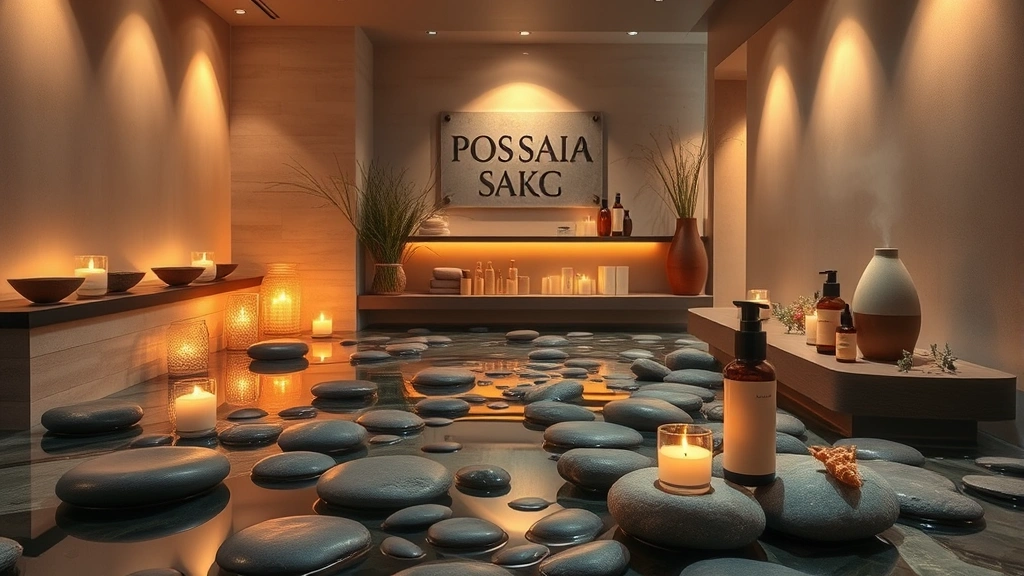
Wellness and Spa Hotels prioritize calming, therapeutic fragrances. Lavender, chamomile, and sandalwood dominate this category. These properties often extend scent programming to spa facilities, where fragrance becomes part of the therapeutic experience. Guests expect these properties to feature natural, recognizable botanicals rather than complex synthetic compositions.
Beach and Resort Properties succeed with fresh, aquatic fragrances evoking ocean breezes and tropical botanicals. Coconut, salt notes, white florals, and subtle citrus create vacation-appropriate scent profiles. These fragrances should feel light and energizing rather than heavy or sweet, complementing the destination’s natural aromatics.
Urban Boutique Hotels often select sophisticated, contemporary fragrances featuring woody notes, leather accords, and modern florals. These properties use scent to reinforce their trendy positioning and appeal to design-conscious travelers. The fragrance should feel intentional and somewhat exclusive rather than universally approachable.
Pet-Friendly Hotels require special scent considerations. Pet-friendly hotels near me must balance pleasant human-focused fragrances with animal safety. Many properties select lighter scents that don’t overwhelm pet sensitivities, avoiding heavy florals or synthetic compounds that might stress animals. This category increasingly partners with fragrance specialists to ensure guest satisfaction without compromising pet welfare.
Extended-Stay Properties benefit from subtle, non-intrusive scents that don’t become fatiguing over multiple days. These fragrances should feel like background ambiance rather than noticeable presence. Light citrus and herbal notes work better than heavy florals or orientals that can feel cloying during extended exposure.
Properties offering hotels with free shuttle service might extend scent branding to vehicles, creating consistent sensory experiences across all guest touchpoints. This level of attention to detail distinguishes premium properties from competitors.
Implementation and Maintenance Strategies
Selecting a signature scent represents only the first step. Successful implementation requires systematic fragrance distribution, maintenance protocols, and quality control.
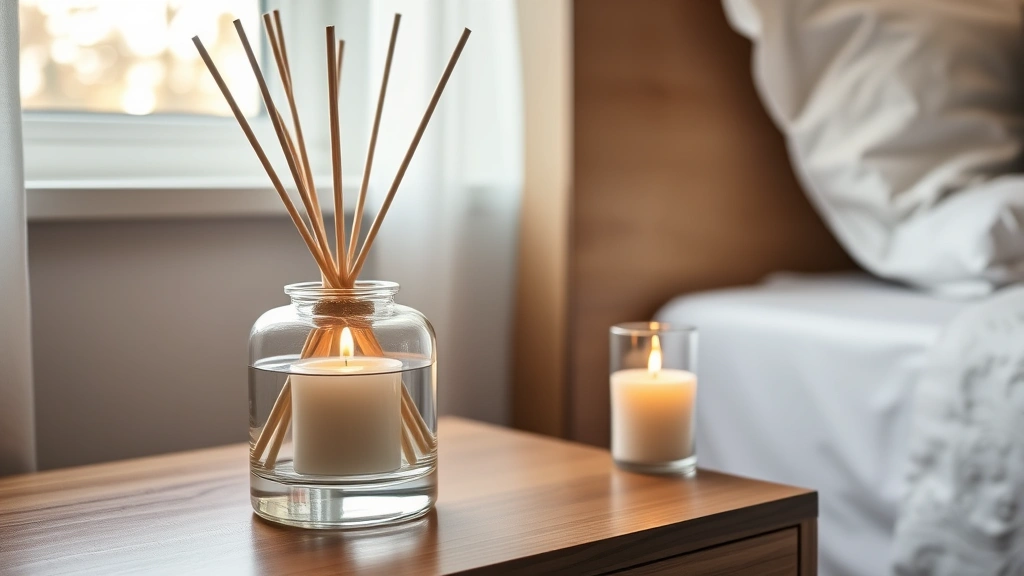
Diffusion Methods vary by space and application. Lobby areas typically use professional HVAC-integrated diffusion systems that distribute fragrance through air handling systems, ensuring consistent, subtle presence. Guestrooms employ reed diffusers, room sprays, or discreet plug-in dispensers. Spa facilities might use essential oil diffusers or scent-infused products. The most effective programs use multiple delivery methods creating reinforcing sensory experiences.
Concentration and Intensity require careful calibration. Professional hotel scent programs typically use lighter concentrations than personal fragrances, aiming for subtle presence rather than noticeable application. This restraint creates sophisticated impression while avoiding headaches, allergies, or negative reactions from sensitive guests.
Seasonal Adjustments reflect changing guest expectations and environmental conditions. Many luxury properties rotate scent intensity seasonally—lighter fragrances in summer, warmer compositions in winter. Some properties feature limited-edition seasonal scents, creating novelty and encouraging repeat visits. This strategy mirrors luxury fashion and retail approaches.
Staff Training and Consistency ensure that scent programs function effectively. Housekeeping staff must understand proper diffuser maintenance, refill schedules, and intensity calibration. Inconsistent application creates guest confusion and undermines brand positioning. Premium properties include scent program training in all hospitality staff onboarding.
Guest Communication about signature scents enhances brand differentiation. Properties might include information about their fragrance in welcome materials, spa menus, or concierge information. Some luxury brands offer signature scent products for purchase, allowing guests to extend the hotel experience home. This strategy converts sensory branding into revenue opportunities.
Allergy and Sensitivity Protocols demonstrate guest-focused hospitality. Properties should maintain fragrance-free room options for guests with sensitivities or allergies. Staff training should address requests for scent reduction or elimination without suggesting guest preferences are unusual. This inclusive approach reflects modern hospitality standards.
Creating Your Property’s Signature Scent
Properties seeking to develop signature scents should approach the process systematically. This investment typically requires professional consultation, testing, and refinement.
Partner with Fragrance Specialists rather than selecting generic commercial fragrances. Professional scent consultants understand hospitality-specific requirements and can develop custom compositions reflecting property identity. These specialists typically offer discovery processes exploring brand positioning, target guest demographics, and aesthetic vision before fragrance development.
Define Your Brand Identity before fragrance selection. What emotions should guests experience? What memories should the scent evoke? Does your property emphasize luxury, wellness, adventure, or comfort? Clear brand positioning guides fragrance selection and ensures olfactory branding reinforces visual and experiential identity.
Consider Guest Demographics when selecting fragrance profiles. Luxury properties attracting older guests might emphasize classic florals and woods. Contemporary boutique hotels targeting younger travelers might feature modern, minimalist compositions. International properties should consider cultural fragrance preferences—Asian guests often appreciate lighter florals and woody notes, while Western guests might prefer bolder florals or fresh scents.
Test Extensively before full implementation. Most fragrance specialists recommend testing scents across different spaces, times of day, and seasons. Gather feedback from staff and guests through discreet surveys or focus groups. This testing phase prevents expensive mistakes and ensures the selected fragrance enhances rather than detracts from guest experience.
Develop Implementation Protocols ensuring consistent application. Document diffusion methods, intensity levels, refill schedules, and seasonal adjustments. Create staff training materials addressing proper application, guest communication, and allergy protocols. Clear systems prevent inconsistency that undermines brand positioning.
Monitor Guest Response continuously. Track guest satisfaction metrics, online reviews mentioning the scent, and any complaints or concerns. Positive scent mentions in reviews indicate successful brand differentiation. Conversely, guest complaints about fragrance intensity or type signal need for adjustment.
Consider Retail Opportunities extending scent branding beyond the property. Many luxury hotels offer signature fragrance products through gift shops, online retail, or amenity programs. This strategy increases revenue while strengthening brand loyalty among guests who want to recreate the hotel experience at home.
Properties offering hotels with gyms might develop specialized fragrances for fitness facilities—energizing scents in workout areas, fresher scents in locker rooms. This thoughtful approach to scent programming across different property zones demonstrates attention to detail distinguishing premium properties.
Even when managing how to cancel hotel reservations, guest experience matters. Properties maintaining excellent scent experiences encourage guests to rebook rather than cancel, reducing cancellation rates and improving retention metrics.
FAQ
What makes a hotel scent memorable and effective?
Memorable hotel scents balance several factors: subtle intensity that creates presence without overwhelming, composition that complements property aesthetic, consistency across all guest touchpoints, and alignment with brand positioning. The most effective scents evoke emotional responses and positive memories that encourage repeat visits and strong brand recall.
Can small or budget properties develop signature scents?
Absolutely. While luxury properties invest in custom fragrance development, smaller properties can select from existing professional hotel fragrance lines designed for hospitality applications. The key is choosing scents that reflect property positioning and implementing them consistently. Even modest investments in professional fragrance programming create noticeable improvements in guest perception.
How do I address guest complaints about hotel scents?
Take all scent-related feedback seriously. Some guests have genuine sensitivities or allergies requiring fragrance-free accommodations. Others might find the scent too intense or inappropriate. Offer fragrance-free room options, provide staff training on respectful response protocols, and be prepared to adjust intensity or fragrance type if multiple guests express concerns. This responsive approach demonstrates guest-focused hospitality.
What’s the difference between essential oils and synthetic fragrances for hotels?
Essential oils offer natural, recognizable scents but can be expensive, less stable, and potentially irritating to sensitive guests. Synthetic fragrances provide consistency, stability, and cost-effectiveness while offering unlimited compositional possibilities. Many professional hotel programs combine both—essential oils for specific applications like spa facilities, synthetic fragrances for general property diffusion.
How often should signature hotel scents be refreshed?
Professional hotel scent programs typically maintain consistency for 3-5 years before considering changes. However, seasonal adjustments and limited-edition offerings can provide novelty without abandoning core brand scent. Major brand repositioning might warrant scent updates, but frequent changes undermine the brand recognition benefits of signature fragrance programs.
Can hotel scents influence guest spending and satisfaction?
Research demonstrates strong correlations between pleasant ambient scents and increased guest satisfaction, longer property stays, and higher spending on amenities and services. Guests in pleasant-smelling environments report higher comfort levels and more positive experiences. Signature scents also create memorable experiences encouraging repeat visits and positive online reviews.
What regulations govern hotel fragrance use?
While fragrance regulations vary by jurisdiction, most hospitality applications comply with existing air quality and consumer safety standards. However, properties should consider accessibility for guests with sensitivities or asthma. Offering fragrance-free accommodations demonstrates compliance with accessibility principles and inclusive hospitality practices. Professional fragrance consultants understand relevant regulations and can guide compliant implementation.