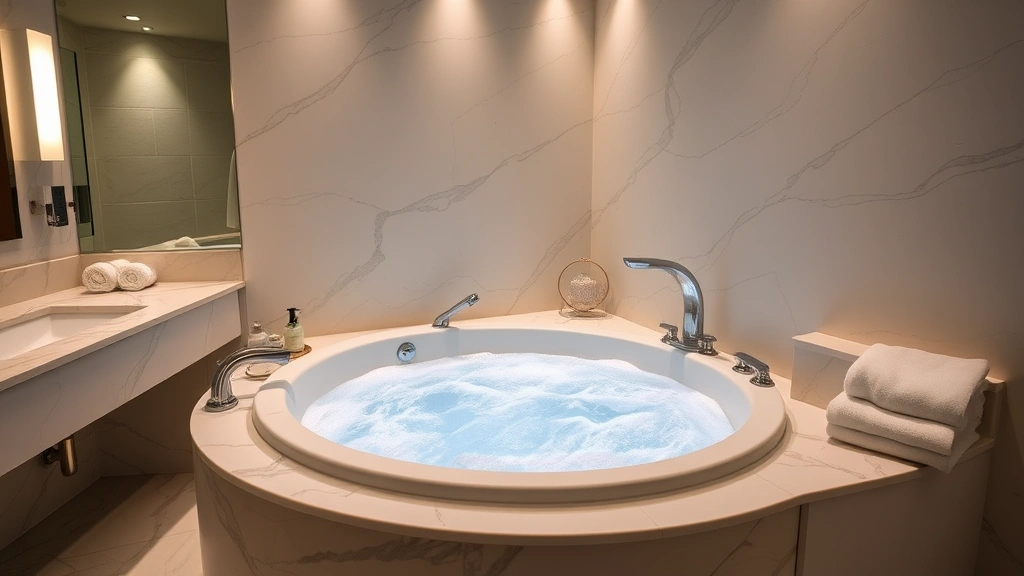
Hostel vs Hotel: Which Fits Your Budget? Expert Tips
When planning a trip or extended stay, one of the first decisions you’ll face is whether to book a hostel or a hotel. This choice impacts not just your wallet, but your entire travel experience. Understanding the differences between these two accommodation types is essential for making an informed decision that aligns with your budget, comfort level, and travel style.
The accommodation landscape has evolved dramatically over the past decade. While hotels have long been the traditional choice for travelers seeking privacy and amenities, hostels have transformed from basic backpacker crash pads into sophisticated social hubs offering competitive features. Whether you’re a budget-conscious backpacker, a digital nomad, a solo traveler, or a family seeking affordable options, this comprehensive guide will help you navigate the hostel versus hotel decision with confidence.
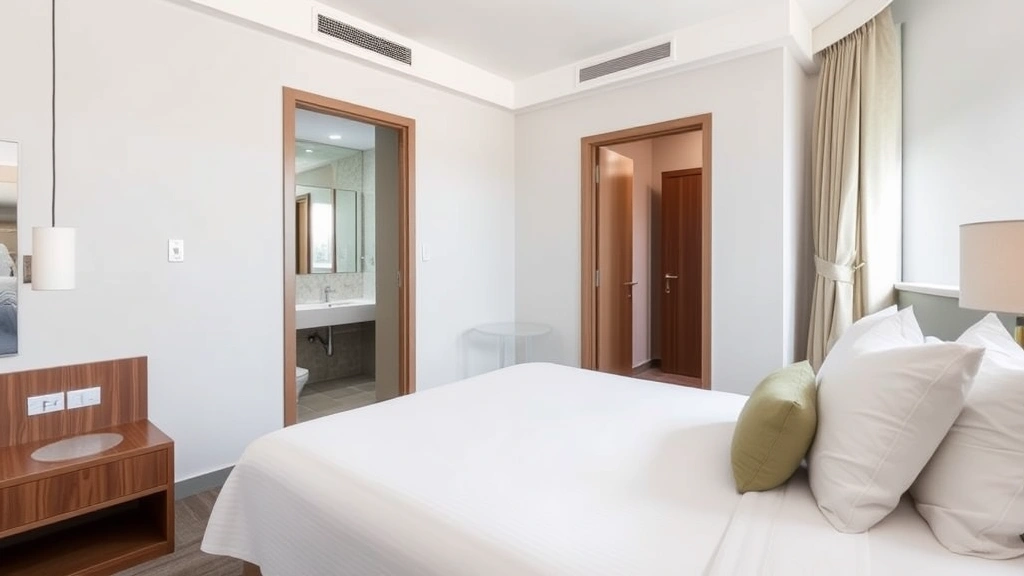
Cost Comparison: Breaking Down the Numbers
The most obvious distinction between hostels and hotels is price. Hostels typically offer dorm beds ranging from $15 to $50 per night in most global destinations, while private hostel rooms cost $30 to $100. Hotels, conversely, start around $50 to $150 for budget chains and escalate significantly for mid-range and luxury properties.
For budget-conscious travelers, the mathematics are compelling. A month-long hostel stay in a dorm bed might cost $450 to $1,500, whereas the same duration in a budget hotel could easily reach $1,500 to $4,500. However, these base prices tell only part of the story. Hidden costs associated with each option significantly affect total expenditure.
Hostels frequently include amenities in their nightly rate: free Wi-Fi, communal kitchens, breakfast service, and organized social events. These inclusions reduce your overall travel expenses. Hotels typically charge separately for Wi-Fi ($10-20 per night), parking ($15-30), and breakfast ($15-25). A hotel for sale analysis reveals that hotels depend heavily on ancillary revenue streams, meaning costs accumulate quickly.
Consider a practical scenario: a traveler spending 14 nights in a major city. Hostel dorm option: $280-700 including kitchen access and free breakfast. Hotel budget option: $700-2,100 plus $140-280 for Wi-Fi and parking, totaling $840-2,380. The hostel savings range from 30-65%, a substantial difference for extended stays.
However, price fluctuations vary dramatically by season and location. Peak tourist seasons see hostel prices surge 50-100%, sometimes approaching hotel rates. Off-season travel reveals the greatest savings. Booking strategies, timing, and destination selection dramatically influence actual costs.

Amenities and Features
Modern hostels have revolutionized their service offerings. Contemporary properties feature:
- Communal kitchens enabling meal preparation and cost reduction
- High-speed Wi-Fi throughout facilities, essential for remote workers
- Organized activities including pub crawls, city tours, and cooking classes
- Laundry facilities with washers and dryers
- Common lounges with entertainment systems and gaming areas
- Breakfast services ranging from simple continental to full spreads
- Lockers and security for personal belongings
Hotels provide different value propositions. Standard amenities include:
- Private bathrooms in every room
- Housekeeping service including daily cleaning and fresh linens
- Room service and in-room dining options
- Climate control with individual temperature adjustment
- Front desk availability 24/7 for assistance
- Premium bedding and furnishings
For specific travel needs, different properties excel. Seeking hotels with pools near me typically means researching hotel chains, as hostels rarely feature swimming facilities. Similarly, pet friendly hotels near me searches yield more hotel results, though some progressive hostels now accommodate animals.
Budget hotels often lack distinctive features, while mid-range properties compete on amenities. Luxury hotels provide concierge services, spas, fine dining, and premium experiences. Hostels differentiate through social atmosphere, location convenience, and value-added experiences rather than luxury amenities.
Privacy vs. Social Experience
Perhaps the most significant non-financial distinction involves privacy and social interaction. This factor profoundly affects travel satisfaction and should heavily influence your decision.
Hostel dorm rooms house 4 to 12 people in shared sleeping quarters. This arrangement creates natural social opportunities: meeting fellow travelers, exchanging recommendations, forming friendships, and participating in group activities. For solo travelers and those seeking cultural exchange, this environment proves invaluable. Many travelers credit hostels with transforming solitary trips into memorable social adventures.
However, shared accommodations introduce challenges: noise from roommates, varying sleep schedules, different hygiene standards, and potential theft concerns. Light sleepers, privacy-conscious individuals, and those with specific routines may find dorm living frustrating.
Hotel rooms provide complete privacy and control over your environment. You dictate noise levels, temperature, lighting, and guest access. This autonomy appeals to families, couples, business travelers, and those seeking solitude. The trade-off: hotels offer fewer organic social opportunities, requiring intentional effort to connect with other guests.
Hostel private rooms bridge this gap, offering privacy while maintaining access to social spaces and communal amenities. These rooms typically cost $30-100 nightly, positioning them between dorms and hotel budget options. For travelers valuing both privacy and community, private hostel rooms represent optimal compromises.
Location and Accessibility
Strategic location significantly impacts accommodation choice utility. Best hotels in Barcelona Spain often occupy premium city center positions, commanding higher rates. Hostels frequently cluster in backpacker-friendly neighborhoods, sometimes offering superior location value.
Downtown areas typically feature more hotel options, with downtown hotels dominating central business districts. Hostels concentrate in younger, bohemian neighborhoods offering authentic local experiences. This distinction matters: paying premium prices for downtown hotel locations may prove unnecessary if your activities center elsewhere.
Public transportation accessibility varies by accommodation type. Hotels frequently locate near transit hubs but charge premium rates accordingly. Hostels in secondary neighborhoods may require longer commutes but offer savings that offset additional travel time and transit costs.
For travelers with specific location requirements—airport proximity, beach access, or business district positioning—hotel research becomes essential. Those seeking hotels with beach access will find limited hostel options in prime coastal locations, making hotels more practical despite higher costs.
Safety and Security Considerations
Security concerns legitimately influence accommodation decisions. Well-managed hostels implement security measures: keycard access, locker systems, staff presence, and surveillance. However, shared spaces inherently increase theft risks compared to private hotel rooms.
Hotel security typically exceeds hostel standards: individual room locks, limited hallway access, security personnel, and guest registration systems. For travelers carrying valuable equipment, jewelry, or sensitive documents, hotel safety advantages prove significant.
Neighborhood safety matters equally. Hotels concentrate in established, policed commercial areas. Hostels sometimes locate in developing neighborhoods with variable safety profiles. Research destination crime statistics and accommodation-specific reviews before deciding based solely on hostel versus hotel distinction.
Personal security practices matter most regardless of accommodation type. Utilizing lockers, avoiding displaying valuables, and maintaining awareness of surroundings applies universally. Hostel security concerns diminish substantially when travelers exercise reasonable precautions.
Who Should Choose What
Hostels suit:
- Solo travelers seeking social connection and cultural exchange
- Budget backpackers with minimal luggage and flexible schedules
- Digital nomads requiring affordable long-term accommodation and community
- Young travelers prioritizing experiences over comfort
- Groups of friends sharing dorm spaces and splitting costs
- Those seeking authentic local neighborhood experiences
Hotels suit:
- Families requiring private spaces and multiple beds
- Business travelers needing professional environments and reliable services
- Couples seeking privacy and romantic atmospheres
- Individuals with specific accessibility or medical requirements
- Those prioritizing comfort and convenience over cost
- Travelers with valuable belongings requiring secure storage
Many experienced travelers employ hybrid strategies: hostels for extended stays and social immersion, hotels for short stays requiring privacy. This flexible approach maximizes value while maintaining quality of life.
Smart Booking Strategies
Maximizing accommodation value requires strategic planning regardless of hostel or hotel choice. Implement these proven techniques:
Timing and Seasonality: Travel during shoulder seasons (spring/fall) rather than peak summer or winter holidays. Hostel dorm rates drop 30-50% during low seasons, while hotel discounts reach 40-60%. Weekday stays consistently cost less than weekends.
Length-of-Stay Discounts: Both hostels and hotels offer weekly and monthly discounts. Week-long hostel stays typically include 10-15% reductions; monthly stays reach 25-40%. Hotel discounts vary but often match or exceed hostel reductions for extended bookings.
Booking Platform Comparison: Compare prices across Booking.com, Hostelworld, Airbnb, and direct property websites. Prices fluctuate significantly, and direct bookings sometimes offer exclusive discounts.
Read Recent Reviews: Prioritize reviews from the past 3-6 months. Property conditions change, management shifts, and standards fluctuate. Focus on reviews matching your priorities—social atmosphere for hostels, cleanliness for hotels.
Verify Inclusions: Confirm what’s included in quoted prices. Hidden charges for Wi-Fi, breakfast, linens, lockers, or parking transform apparent savings into premium costs. Request itemized breakdowns before booking.
Location Flexibility: Consider secondary neighborhoods offering better value. Research transit times and costs; sometimes 15-minute commutes justify 30-50% accommodation savings.
Group Bookings: Traveling with others? Calculate hostel dorm costs versus hotel room splits. Four people in a hostel dorm might cost $100 total; splitting a hotel room averages $120-200, making dorms more economical.
FAQ
Are hostels safe for solo female travelers?
Many hostels implement female-only dorm rooms providing security and comfort. Research properties with strong safety records, read reviews from female travelers, and choose facilities with excellent staff presence. General safety practices—securing valuables, maintaining awareness, avoiding isolated areas—apply universally. Hostels with active social communities often provide additional security through peer awareness.
Can I find hotels with budget prices comparable to hostels?
Budget hotel chains and off-season bookings occasionally match hostel prices, especially for private rooms. However, hotels rarely undercut hostel dorm beds. Comparing total costs including amenities, meals, and transportation reveals hostels’ sustained budget advantages. Some hotels offer weekly discounts approaching hostel economics.
Which accommodation type better suits extended stays?
Hostels excel for extended stays due to aggressive monthly discounts (25-40% reductions), kitchen access reducing food costs, and community preventing isolation. Hotels require longer stays to justify daily rates. Monthly hostel costs ($450-1,200) typically undercut hotels ($1,500-4,500) significantly. However, hostel fatigue affects some travelers; alternating between hostels and private rooms maintains satisfaction during long journeys.
Do hostels provide cooking facilities?
Most hostels feature communal kitchens with basic equipment: stoves, refrigerators, microwaves, and utensils. This enables meal preparation, substantially reducing food expenses. Hotels rarely provide cooking facilities; some offer kitchenettes in premium rooms at additional cost. Kitchen access represents substantial hostel cost advantages for budget-conscious travelers.
What’s the typical quality difference between budget hotels and hostels?
Budget hotels offer more consistent cleanliness standards, private bathrooms, and housekeeping services. Hostels vary dramatically by property; quality ranges from exceptional to mediocre. Reading reviews reveals specific property conditions. Premium hostels rival budget hotel quality while maintaining lower prices. Conversely, some budget hotels lack maintenance standards exceeding average hostel conditions. Individual property research matters more than accommodation category generalizations.
Can families stay in hostels?
Yes, though comfort varies. Hostel private rooms accommodate families while providing access to communal amenities. Dorm rooms suit adventurous families with flexible attitudes toward shared spaces. Many families prefer hotels for guaranteed privacy and child-appropriate environments. Some hostels offer family rooms with private bathrooms, bridging preferences. Assess family members’ comfort with shared facilities before deciding.
How do I handle booking a hostel if I’m concerned about noise?
Request quieter dorm rooms away from common areas and kitchens. Choose private hostel rooms guaranteeing solitude. Select properties with strict quiet hours (typically 10 PM – 8 AM) and enforce policies. Read reviews mentioning noise levels. Bring earplugs and white noise apps as backup solutions. Some hostels offer premium dorms with fewer beds (4-6 person) reducing activity levels.