Early Check-In Hotels: Insider Tips for Arriving Early
Arriving at your hotel destination before the standard 3 PM check-in time doesn’t have to mean waiting in the lobby with your luggage. Many travelers don’t realize that early check-in is often negotiable, and with the right strategies, you can access your room hours before the official check-in window. Whether you’re exhausted from an early morning flight, need to freshen up before an important meeting, or simply want to maximize your stay, understanding how to secure early check-in can significantly enhance your travel experience.
The hospitality industry has become increasingly flexible about accommodating early arrivals, especially as hotels compete for guest loyalty and positive reviews. This comprehensive guide reveals insider tactics that frequent travelers and hospitality professionals use to guarantee early access to their rooms, along with alternative solutions when early check-in isn’t available.
How Early Check-In Actually Works
Early check-in operates differently depending on the hotel’s occupancy rate and operational procedures. Most hotels officially open their rooms at 3 or 4 PM because housekeeping staff needs time to clean and prepare accommodations after previous guests depart. However, this doesn’t mean your room isn’t ready earlier—it simply means the hotel hasn’t officially released it for occupancy.
When you arrive early, the front desk staff assess several factors: current occupancy levels, housekeeping progress, expected departures, and whether previous guests have already left. Hotels with high occupancy rates are more likely to honor early check-in requests because they’ve likely already prepared rooms. Conversely, hotels operating at lower capacity may have flexibility to clean your specific room ahead of schedule.
The key insight that separates successful early check-in requests from unsuccessful ones is understanding that hotels treat early check-in as a service request rather than a guaranteed entitlement. This distinction matters because it shapes how you approach the conversation with front desk staff. Rather than demanding early access, framing it as a polite request with context significantly increases approval rates.
Proven Strategies to Request Early Check-In
The timing and manner of your request dramatically influences whether hotels grant early check-in. Here are the most effective tactics that consistently work:
- Call ahead before arrival: Contact the hotel 24-48 hours before your scheduled check-in date. Speaking directly with the front desk manager or reservations team allows them to note your request in the system and plan accordingly. This proactive approach gives housekeeping advance notice and demonstrates respect for hotel operations.
- Be specific about your needs: Rather than simply asking for early check-in, explain your situation. Mention that you have an early morning flight or business meeting, need to rest before an evening event, or are traveling with young children who need to settle down. Specific circumstances prompt staff to find solutions more readily than vague requests.
- Arrive during shoulder hours: Timing matters considerably. Arriving between 10 AM and 1 PM gives housekeeping maximum time to prepare your room while you’re still within reasonable morning/early afternoon hours. Arriving at 7 AM leaves minimal preparation time, whereas arriving at 2:30 PM approaches standard check-in time anyway.
- Mention your loyalty status: If you’re part of the hotel’s loyalty program, reference your membership level when requesting early check-in. Hotels prioritize accommodations for repeat customers and elite members. Even if you’re not elite status, mentioning that you’re a program member acknowledges your customer value.
- Remain flexible and gracious: Express willingness to wait in common areas or return later if necessary. This flexibility removes pressure from staff and often results in them finding solutions they wouldn’t offer to demanding guests. A polite demeanor frequently leads to staff going above and beyond.
One critical tactic involves asking for a room that’s already been prepared. Rather than requesting your specific reserved room early, ask if any rooms have already been cleaned and are ready for occupancy. This approach respects the hotel’s operational constraints while still potentially securing early access.
Loyalty Programs and Elite Status Benefits
Hotel loyalty programs explicitly recognize early check-in as a member benefit, particularly at higher status tiers. Understanding your program’s specific benefits ensures you maximize what you’ve already earned through previous stays.
Marriott Bonvoy members at Silver Elite and above receive early check-in (2 PM) as a standard benefit, with higher tiers sometimes receiving 12 PM check-in. Hilton Honors members at Diamond status get guaranteed 12 PM early check-in. IHG One Rewards provides early check-in privileges starting at Silver Elite status, with Diamond members receiving 12 PM check-in guarantees.
These benefits aren’t merely suggestions—they’re contractual perks that hotels are obligated to honor. However, during extreme occupancy situations, even elite members may experience delays. The distinction is that elite members should receive priority when early check-in availability is limited.
Building loyalty program status specifically to access early check-in benefits makes financial sense if you travel frequently. Staying 10 nights annually with a major chain typically qualifies you for elite status, which includes early check-in plus room upgrades and other valuable perks. Many frequent travelers structure their bookings to concentrate stays with a single chain specifically to achieve and maintain elite status.
When Hotels Allow Complimentary Early Access
Certain circumstances almost guarantee that hotels will grant complimentary early check-in without requiring special requests. Recognizing these situations helps you approach your arrival strategically.
International arrivals receive particularly favorable treatment for early check-in. Hotels understand that international travelers often arrive exhausted from long flights and jet lag, making early rest essential. If your booking indicates an international origin, this context alone frequently prompts front desk staff to accommodate early access.
Rooms already occupied by departing guests: If the previous guest in your assigned room has already checked out and housekeeping has completed their work, your room is technically ready. Front desk staff can verify this status and release your room early without requiring housekeeping to prioritize your space.
Significantly early arrivals with advance notice: Arriving 6+ hours before standard check-in time with advance notification usually results in complimentary early check-in because housekeeping can plan accordingly. The hotel essentially prepares your room during their normal cleaning schedule, just positioning it for your arrival.
Guest relations situations: If you’ve had previous issues with the hotel or are celebrating special occasions (anniversaries, birthdays, honeymoons), front desk staff often use early check-in as a goodwill gesture. Mentioning these circumstances during your advance call plants seeds that may result in proactive early check-in offers.
Paid Early Check-In Options
When complimentary early check-in isn’t available, many hotels offer paid options ranging from $20 to $75 depending on location, time of arrival, and hotel category. Understanding these options helps you decide whether the convenience justifies the cost.
Some hotels implement tiered pricing: arriving at 2 PM costs less than arriving at 12 PM, which costs less than arriving at 10 AM. This pricing structure reflects the operational difficulty of preparing rooms outside normal schedules. Premium pricing for very early arrivals (8-10 AM) often includes housekeeping overtime, which explains the elevated cost.
Checking your booking confirmation before arrival reveals whether your hotel offers paid early check-in options and their pricing. Some chains display this option during the booking process, while others only mention it upon arrival. Asking about paid options during your advance call sometimes results in discounts or waived fees if the hotel can accommodate your request during normal operations.
Alternative Solutions for Early Arrivals
When early check-in isn’t available or carries excessive costs, several alternatives can make your early arrival significantly more comfortable and productive.
Luggage storage services: Most hotels provide complimentary luggage storage, allowing you to check in your bags immediately while exploring the area or handling business. Your room will be ready during standard check-in time, and you’ll have freed yourself from carrying belongings around town. This option works particularly well if you’re staying in downtown areas with nearby restaurants and attractions.
Day-use room rentals: Some hotels, particularly in business districts, offer day-use rooms separate from overnight accommodations. These rooms are available for shorter periods (typically 3-6 hours) at reduced rates. Day-use rooms allow you to shower, change clothes, and rest without committing to early check-in fees. When your standard room becomes available at 3 PM, you transition without additional charges.
Lounge access: Hotels with business lounges or club lounges often provide complimentary access to guests, regardless of early arrival. These spaces typically offer comfortable seating, refreshments, Wi-Fi, and sometimes shower facilities. Lounges provide a professional environment for business travelers or a comfortable waiting area for leisure guests.
Airport lounges and hotel lounges: If you’re traveling on a credit card that includes lounge access or have airline status, utilizing airport lounges before heading to your hotel extends your access to shower facilities, comfortable seating, and refreshments. This strategy essentially bridges the gap between your arrival and standard check-in time.
These alternatives often provide better value than paid early check-in, particularly if your arrival is very early or you don’t urgently need to access your room.
Booking Tactics That Improve Your Chances
Your booking method and timing influence how hotels treat early check-in requests. Strategic booking decisions can improve your prospects considerably.
Book directly with hotels: Reservations made through hotel websites or direct phone calls create relationships with the property. Direct bookings allow you to add special requests and notes, which appear in the hotel’s system and inform front desk staff before your arrival. Third-party booking sites often strip away these notes, reducing communication effectiveness.
Choose hotels during slower seasons: Booking travel during lower-occupancy periods (weekday travel, shoulder seasons, off-peak months) dramatically increases early check-in approval rates. Hotels with abundant empty rooms can accommodate early check-in requests without operational strain. Conversely, weekend and holiday travel rarely accommodates early check-in unless you’re elite status or paying fees.
Select hotels with high turnover rates: Boutique hotels and smaller properties often have greater flexibility than massive convention hotels. These properties typically operate with less rigid scheduling and can more easily accommodate individual guest requests. Research hotel size and type when selecting accommodations for early arrival needs.
Book rooms with longer stays: Hotels prioritize early check-in for guests with multi-night reservations over single-night stays. A 3-night reservation receives more favorable treatment than a 1-night stay because the hotel benefits from extended revenue and reduced turnover costs.
Hotel Amenities While You Wait
Understanding what amenities are typically available while waiting for standard check-in helps you plan your arrival day effectively. Many hotel amenities you assume require room access actually don’t.
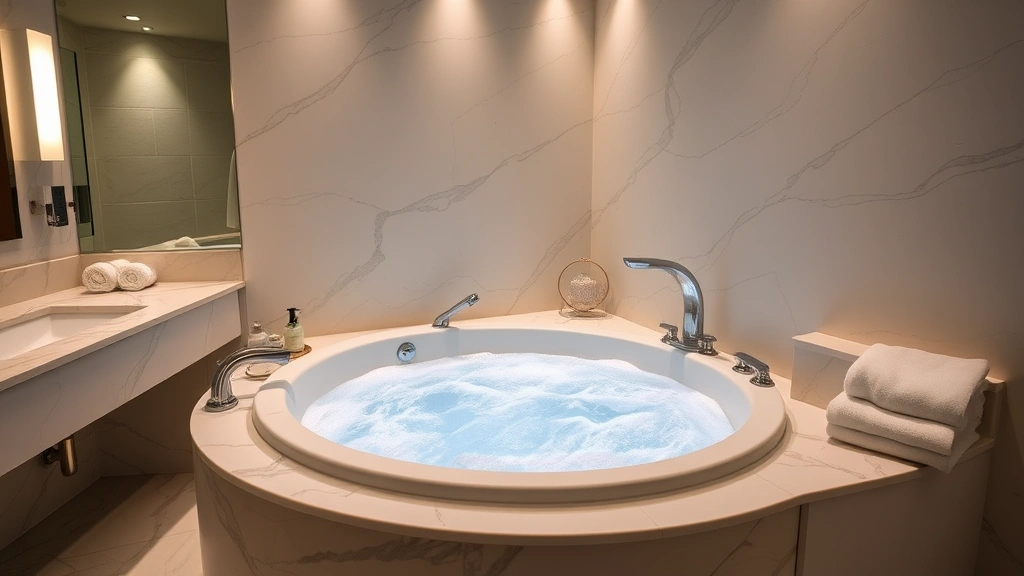
If your hotel features hotels with indoor pools, you can often access these facilities before check-in by requesting a pool pass at the front desk. Similarly, hotels with hot tubs near you typically allow early access to these amenities. If you’re specifically interested in relaxation features, searching for hotel room with a hot tub near me helps identify properties where you can maximize amenity access during your wait.
Many hotels provide hotels with free WiFi that’s immediately accessible in lobbies and common areas. This allows you to handle emails, video calls, or work tasks without accessing your room. If you’re traveling with pets, pet friendly hotels near me often allow you to walk your animals in designated areas while waiting for check-in.
For families, hotels with family rooms sometimes offer kids’ clubs or children’s areas where young travelers can play while parents relax in nearby common spaces. Understanding these amenities before arrival allows you to structure your early arrival day productively.
Fitness centers, business centers, and restaurant/bar areas are almost universally accessible before standard check-in. Many guests successfully spend several hours utilizing these facilities while their rooms are being prepared, making the waiting period feel less frustrating.
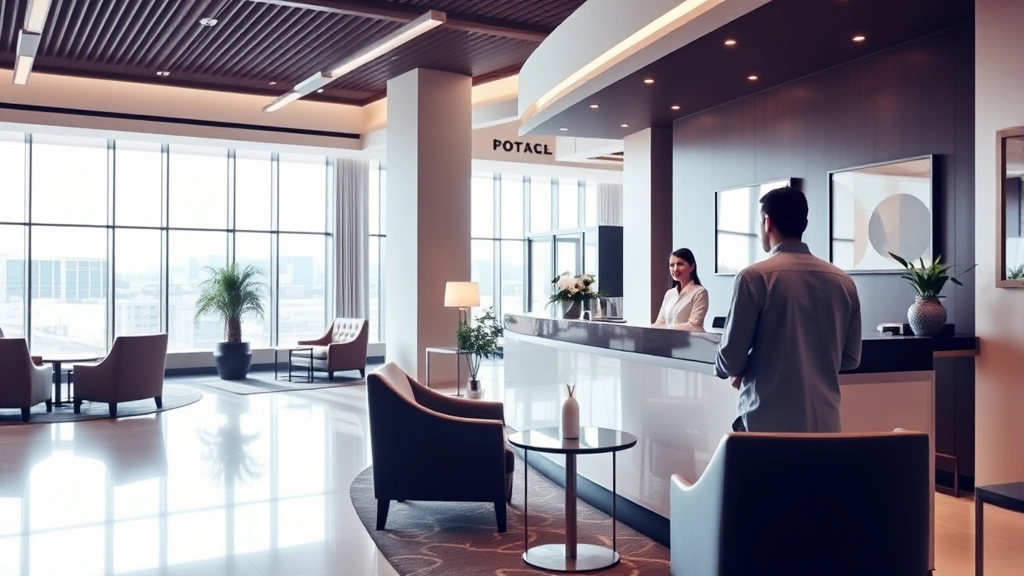
Image placeholder for early check-in hotel lobby experience
Communication Tips That Actually Work
How you communicate your early check-in needs significantly impacts approval rates. Front desk and housekeeping staff respond far better to respectful, understanding communication than to demanding approaches.
When calling ahead, use language that acknowledges hotel operations: “I’m arriving early and understand check-in is at 3 PM. Would it be possible to arrange early check-in if my room is ready?” This phrasing demonstrates awareness of standard procedures while requesting accommodation. Contrast this with demanding language: “I need early check-in” or “I expect early access to my room,” which immediately creates adversarial dynamics.
Providing context matters tremendously. Explaining that you have a business meeting at 2 PM, are traveling with a toddler who needs a nap, or have been traveling for 20 hours creates empathy. Staff members are more motivated to solve problems when they understand the human circumstances behind requests.
When you arrive at the hotel, greet front desk staff warmly and ask how their day is going. This brief human connection often results in staff members going above and beyond to help. Conversely, approaching the desk with obvious frustration or impatience makes staff defensive and less willing to accommodate requests.
If early check-in genuinely isn’t available, accept this gracefully. Thank the staff member for checking and ask for luggage storage recommendations or lounge access instead. This gracious response often prompts staff members to find alternative solutions they wouldn’t have offered to frustrated guests.
Seasonal and Location Considerations
Early check-in availability varies dramatically based on geographic location, season, and local events. Understanding these patterns helps you set realistic expectations and plan accordingly.
Urban business hotels in major metropolitan areas typically have stricter early check-in policies because they operate at higher occupancy rates. Weekend leisure travelers in these locations rarely receive complimentary early check-in. Conversely, suburban and rural hotels often have more flexibility because they operate at lower occupancy levels and have less rigid scheduling.
Convention seasons dramatically impact early check-in availability. If a major convention is occurring in your destination, early check-in becomes virtually impossible because hotels operate at near-100% occupancy with tight turnover schedules. Researching convention calendars when booking helps you understand the operational environment you’ll encounter.
Seasonal variations matter significantly. Summer vacation periods and winter holidays see higher occupancy and stricter early check-in policies. Shoulder seasons (spring and fall) and weekday travel offer far greater flexibility. If you have flexibility in your travel dates, scheduling around peak seasons improves early check-in prospects considerably.
International tourist destinations with high turnover rates operate differently than business-focused hotels. Beach resorts and vacation properties often accommodate early check-in more readily because their guests expect flexibility. Business hotels prioritize operational efficiency over guest convenience.
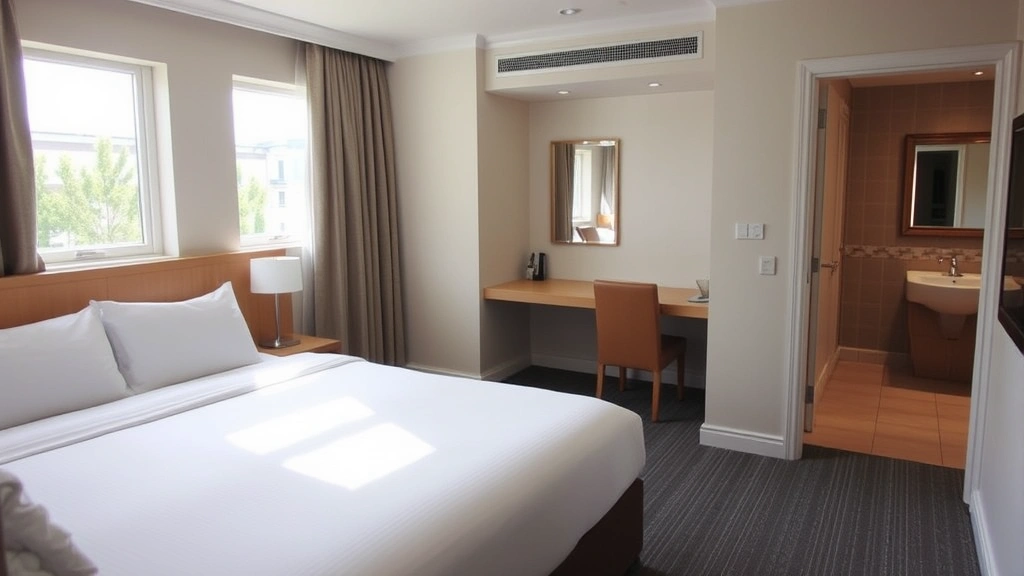
Image placeholder for hotel room ready for occupancy

FAQ
Can I request early check-in without paying extra fees?
Yes, complimentary early check-in is often available, particularly if you call ahead, have elite status, or arrive during lower-occupancy periods. However, availability depends on housekeeping progress and current occupancy. Paid early check-in options range from $20-75 if the hotel can’t accommodate your request at no charge.
What’s the earliest I can typically check in?
Most hotels can accommodate check-in between 12 PM and 2 PM if requested in advance. Very early arrivals (8-10 AM) require either elite status benefits, paid early check-in, or exceptional circumstances. Arriving at 6-7 AM typically necessitates paid options or alternative solutions like luggage storage.
Do loyalty program members automatically get early check-in?
Higher-tier loyalty members (typically Silver Elite and above) receive early check-in as a guaranteed benefit, usually 2 PM for mid-tier members and 12 PM for elite members. However, during extreme occupancy situations, even elite members may experience delays, though they receive priority.
Should I call or email my early check-in request?
Calling is more effective because it allows direct conversation and immediate notation in the system. Email requests sometimes get overlooked or buried in high-volume inboxes. Call 24-48 hours before arrival for optimal results.
What if early check-in isn’t available when I arrive?
Request luggage storage, ask about day-use room options, inquire about lounge access, or explore nearby attractions while your room is being prepared. Most hotels provide these alternatives at no charge. Standard check-in still occurs at 3 PM regardless of early availability.
Do international hotels have different early check-in policies?
International hotels often have more flexible early check-in policies, particularly for international arrivals. Many recognize jet lag and travel fatigue as legitimate circumstances for early access. However, policies vary significantly by region and individual property.
Is paid early check-in worth the cost?
Paid early check-in costs $20-75 depending on how early you need access. Evaluate whether the convenience justifies the expense for your specific situation. Alternative solutions like luggage storage and day-use rooms often provide better value.