When planning a trip or seeking temporary accommodation, travelers often face a fundamental decision: should they book a hotel or a motel? While these terms are sometimes used interchangeably, significant differences exist in amenities, pricing, services, and overall experience. Understanding these distinctions helps you make informed choices that align with your budget, travel style, and specific needs.
The hotel versus motel debate has evolved considerably over the decades. Historically, motels emerged in the mid-20th century as budget-friendly alternatives designed for road travelers, while hotels represented more upscale, service-oriented establishments. Today’s landscape is far more nuanced, with boutique motels rivaling traditional hotels in quality and some budget hotels matching motel pricing. This comprehensive guide breaks down every aspect of the hotel-motel distinction, helping you determine which option suits your particular situation.
Core Differences Between Hotels and Motels
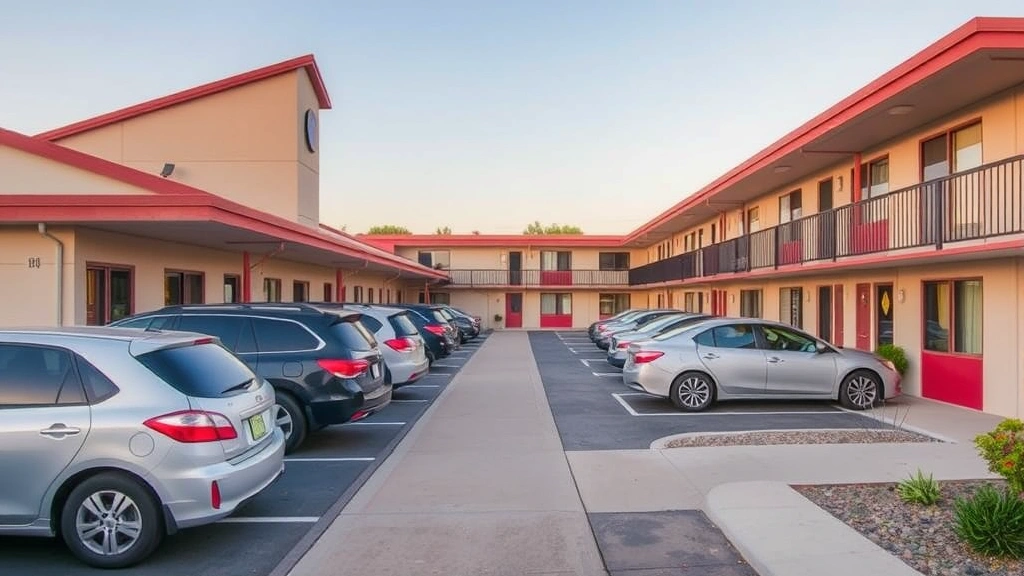
The fundamental distinction between hotels and motels lies in their design philosophy and operational approach. Traditional motels feature exterior corridors, meaning guests access rooms directly from outside rather than through interior hallways. This design originated from the automobile era when travelers needed convenient parking near their rooms. Hotels, conversely, typically employ interior corridors with centralized lobbies, elevators, and multiple floors—a structure that defines the classic hotel experience.
Motels generally operate as smaller properties, usually containing fewer than 100 rooms, often ranging from 20 to 60 units. Hotels span a broader spectrum, from boutique properties with 50 rooms to massive resorts with 3,000+ rooms. This size difference directly impacts staffing, service availability, and facility complexity. When you’re researching hotels for sale, this structural distinction significantly influences property value and operational costs.
Service orientation represents another critical difference. Hotels traditionally employ extensive staff including concierges, bellhops, housekeeping supervisors, and multiple front desk personnel. Motels typically maintain minimal staffing, often with a single front desk attendant managing check-ins and general inquiries. This staffing model directly affects the level of personalized service and assistance available to guests.
The historical context matters too. Motels were specifically designed for highway travelers seeking quick, economical stays near their vehicles. Hotels served business travelers, tourists, and leisure guests requiring more comprehensive services. While this distinction has blurred significantly—many modern motels offer hotel-quality amenities while some budget hotels operate with motel-like simplicity—understanding the original purpose clarifies why certain features exist.
Amenities and Services Comparison
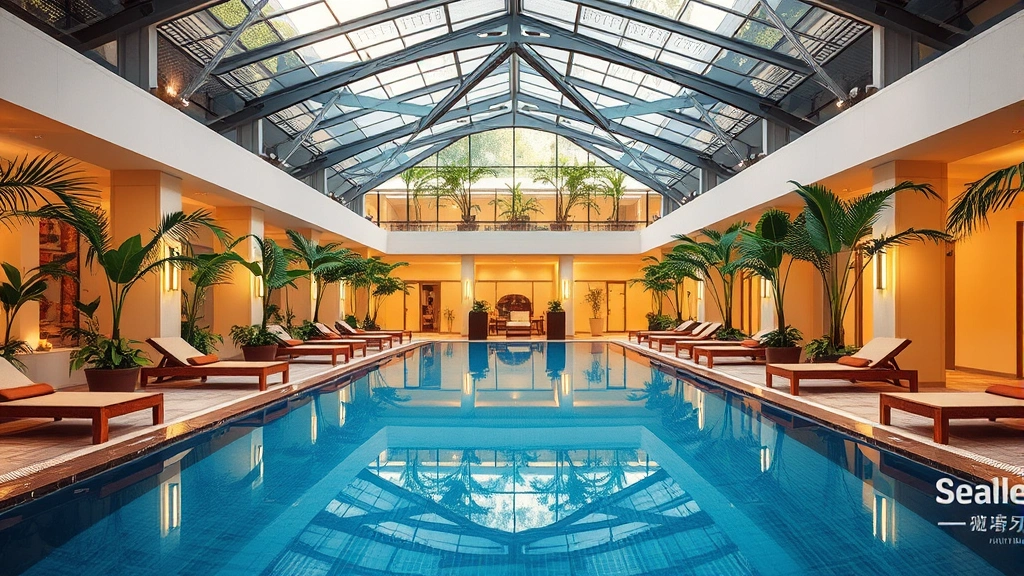
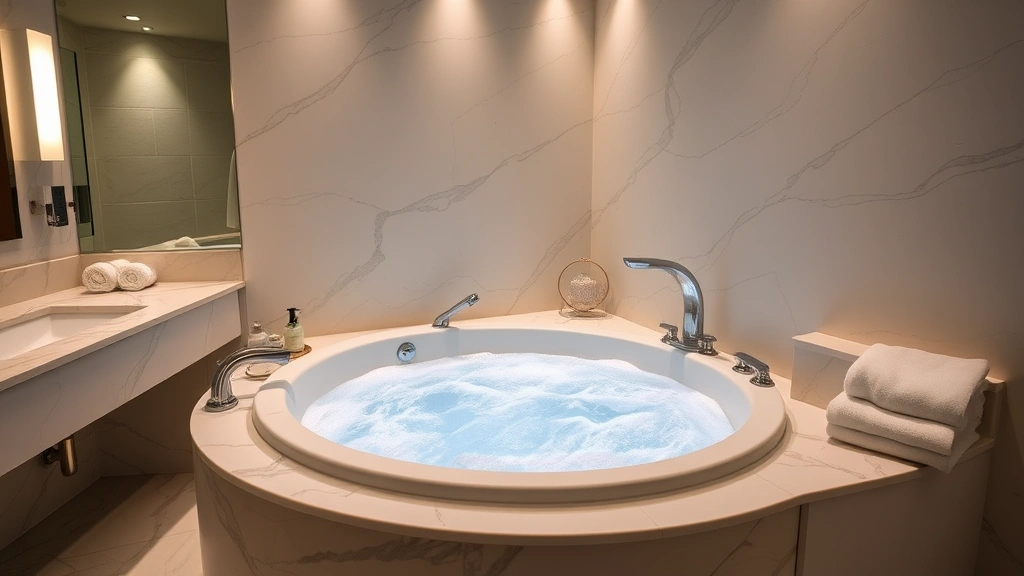
Hotels typically offer substantially more amenities than motels, reflecting their service-oriented model. Standard hotel amenities include fitness centers, swimming pools, hot tubs, business centers, conference rooms, restaurants, bars, room service, laundry facilities, and concierge desks. Many upscale hotels feature spas, multiple dining venues, room service with extensive menus, and entertainment facilities.
Motels traditionally offer minimal amenities beyond the basic room. However, contemporary motels increasingly include Wi-Fi, cable television, and possibly a small fitness area or continental breakfast. Boutique and extended-stay motels may provide kitchenettes or full kitchens, which hotels rarely include in standard rooms. Understanding hotels with concierge services helps clarify the service premium hotels command.
Room service exemplifies the amenity gap. Hotels offer 24-hour room service with full menus, ensuring guests can order meals anytime. Motels typically lack room service entirely, expecting guests to dine at nearby restaurants or use food delivery services. This difference appeals to different traveler profiles—business guests appreciate hotel convenience while budget-conscious travelers accept motel limitations.
Technology integration shows clear distinctions. Hotels invest heavily in modern systems: digital locks, smart televisions, mobile check-in applications, and advanced security. Motels often maintain traditional locks and basic television services, though this is changing rapidly as technology becomes more affordable.
Pricing and Value Considerations
Price represents perhaps the most obvious distinction between hotels and motels. Motels typically charge $50-$100 nightly, while hotels range from $80-$300+ depending on location, season, and property class. This pricing gap reflects the amenity and service differences, though location significantly influences actual costs. A highway motel in a rural area might cost $45 nightly while a downtown urban motel charges $120.
Value assessment depends entirely on your needs. If you require only a clean bed, bathroom, and television, a motel offers exceptional value. Conversely, if you need business facilities, dining options, and concierge assistance, a hotel’s premium pricing may prove economical. When evaluating hotel cancellation policies, you’ll notice hotels often charge higher cancellation fees, reflecting their stricter booking practices and higher operational costs.
Seasonal pricing affects both property types differently. Hotels experience dramatic seasonal fluctuations, with peak-season rates doubling or tripling. Motels typically show more modest seasonal variations, maintaining relatively consistent pricing year-round. Extended-stay discounts benefit both types, though motels often offer better weekly and monthly rates.
Hidden costs require careful consideration. Hotels may charge resort fees, parking fees, internet fees, and facility charges not included in the advertised room rate. Motels rarely impose these additional charges, making their quoted price the actual cost. Always calculate the total expense including taxes and fees when comparing prices.

Location and Accessibility Factors
Motels predominantly occupy highway corridors and suburban areas, positioned for convenient vehicle access. Their exterior corridor design facilitates quick parking and room access, making them ideal for road travelers. Hotels concentrate in downtown areas, business districts, and tourist destinations where they serve multiple traveler types and provide pedestrian access.
Accessibility differs significantly. Hotels typically offer bell desk services, valet parking, and concierge assistance for transportation arrangements. Motels assume guests have vehicles and can manage their own logistics. For travelers without cars, hotels provide superior convenience through their urban locations and service staff.
Walkability impacts hotel and motel suitability. Hotels in downtown areas enable walking to restaurants, attractions, and businesses. Motels along highways require vehicles for accessing dining and entertainment, making them less suitable for non-drivers. When planning trips involving public transportation or walking, hotels generally offer better location advantages.
Proximity to specific destinations matters too. Hotels cluster near airports, convention centers, and major attractions, offering convenient access. Motels position themselves along highways for maximum vehicle traffic, sometimes requiring drives to reach primary destinations. Evaluate your intended activities when choosing based on location.
Room Quality and Design Standards
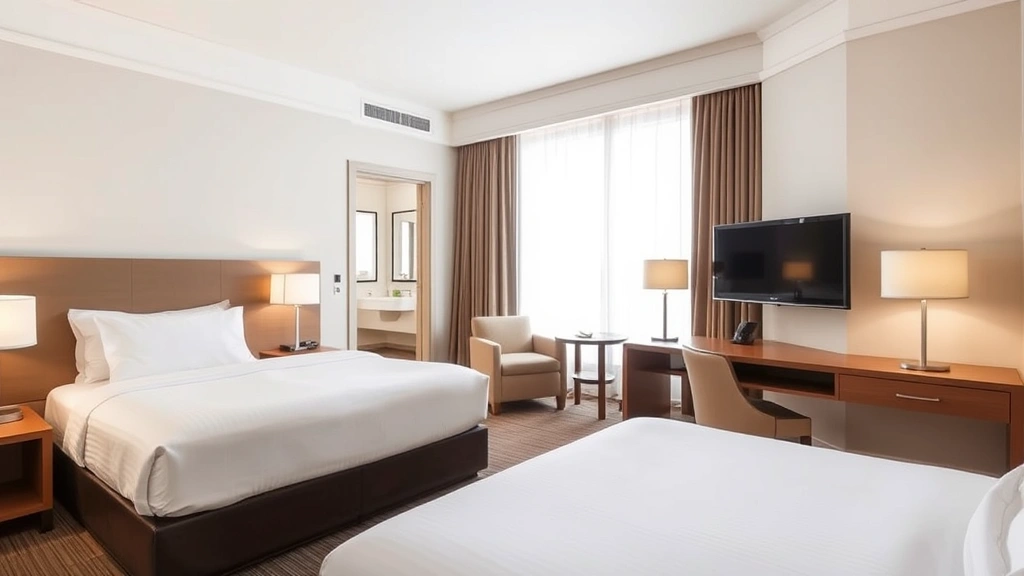
Hotel rooms typically feature contemporary design, quality furnishings, upgraded bedding, modern bathrooms with premium toiletries, and climate control systems. Room configurations vary from standard doubles to suites with separate living areas. Décor reflects consistent branding standards, ensuring quality uniformity across properties.
Motel rooms traditionally emphasize functionality over aesthetics. Furnishings are basic but sturdy, bedding is clean but standard, and bathrooms contain essential fixtures without luxury touches. However, modern boutique motels challenge these stereotypes with stylish, minimalist designs and quality amenities rivaling budget hotels.
Space allocation differs substantially. Hotels provide more generous room dimensions with separation between sleeping and living areas. Motel rooms tend toward compact layouts maximizing efficiency. This matters for longer stays—hotels prove more comfortable for extended periods while motels suit brief overnight visits.
Noise considerations favor hotels. Interior corridors and soundproofing reduce noise from neighboring rooms and external traffic. Motel exterior corridors and thinner walls transmit noise more readily, particularly from highway traffic and adjacent rooms. Light sleepers should factor this into their decision.
Pet Policies and Special Accommodations
Pet policies vary significantly between hotels and motels. Many hotels now welcome pets, though they charge pet fees ranging from $25-$100 nightly and restrict pets to designated rooms. Understanding hotel pet policies is essential for traveling with animals, as policies differ dramatically between properties.
Motels historically accommodated pets more readily, reflecting their highway traveler clientele. Many motels accept pets with minimal or no additional fees, making them preferable for pet owners. However, this generalization doesn’t universally apply—always verify specific pet policies regardless of property type.
Special accommodations for accessibility differ between types. Hotels typically offer ADA-compliant rooms, accessible bathrooms, and staff assistance for disabled guests. Motels may have limited accessible rooms and minimal assistance services. Travelers with mobility challenges should prioritize hotels for better accommodation options.
Family-friendly features also diverge. Hotels often provide cribs, high chairs, kid-friendly amenities, and family-oriented services. Motels typically offer basic rooms without specialized family features. Families with young children generally find hotels more accommodating, though boutique motels increasingly cater to family travelers.
Safety and Security Measures
Security infrastructure favors hotels, which invest in comprehensive systems: surveillance cameras in common areas, electronic locks, security personnel, and monitored access points. Hotels employ trained security staff and maintain strict protocols for guest safety. These measures reflect their liability concerns and guest expectations for security.
Motels traditionally employ basic security—often just keyed locks and minimal surveillance. However, modern motels increasingly upgrade security with electronic locks, cameras, and better lighting. The exterior corridor design of motels provides natural surveillance through visibility but offers less control over who accesses the property. For detailed safety guidance, review hotel room safety tips applicable to both property types.
Staff availability for emergencies differs substantially. Hotels maintain 24-hour front desk staff, security personnel, and management ready to respond immediately to issues. Motels often have a single night attendant, meaning response times to emergencies may be slower. This matters for guests prioritizing immediate assistance availability.
Environmental security considerations include parking arrangements. Hotels offer secured parking structures or valet services protecting vehicles. Motels typically feature open parking directly accessible from rooms—convenient but offering less theft protection. Evaluate your security priorities when choosing between property types.
Booking Strategies and Tips
Booking strategies should align with your specific needs and circumstances. For short highway stops, motels offer excellent value and convenience. For business trips requiring office facilities and dining, hotels justify their premium pricing. For family vacations seeking entertainment and activities, hotels typically provide better amenities.
Timing influences both property types differently. Book hotels well in advance during peak seasons to secure better rates. Motels maintain more consistent pricing, allowing flexible last-minute bookings without substantial price increases. This flexibility makes motels attractive for spontaneous travelers.
Online platforms and motel vs hotel comparison tools help identify properties matching your criteria. Filter by amenities, price, location, and reviews to narrow options efficiently. Reading recent reviews provides insights into actual guest experiences beyond marketing descriptions.
Loyalty programs benefit frequent hotel guests through points, upgrades, and exclusive rates. Motels rarely offer comparable loyalty benefits, though some chains provide modest rewards. If you travel frequently, hotel loyalty programs accumulate valuable benefits over time.
Special requests matter more at hotels where staff can accommodate customization. Motel staff have limited flexibility but appreciate clear communication. Request specific room types, floors, or features when booking to improve your experience regardless of property type.
Bundle deals combining accommodations with attractions, dining, or transportation often feature hotels more prominently. Motels less frequently participate in package deals, though highway motels sometimes offer discounts with nearby attractions.
FAQ
What’s the main difference between a hotel and a motel?
The primary difference involves design and service model. Motels feature exterior corridors with direct outdoor access to rooms, minimal staffing, and basic amenities—designed for highway travelers. Hotels employ interior corridors, comprehensive staff, extensive amenities, and service-oriented operations targeting diverse travelers.
Are motels always cheaper than hotels?
Generally yes, but not universally. Motels typically cost $50-$100 nightly while hotels range $80-$300+. However, location dramatically affects pricing. A boutique urban motel might cost more than a budget highway hotel. Compare specific properties rather than assuming based on type.
Which is better for families?
Hotels typically offer more family-friendly amenities, pools, dining options, and spacious rooms. However, motels with kitchenettes appeal to families seeking cooking facilities. Evaluate specific properties’ amenities rather than choosing by type alone. Some boutique motels cater excellently to families.
Do motels allow pets more readily than hotels?
Historically yes, but this is changing. Many hotels now welcome pets with fees. Motels traditionally had fewer restrictions but increasingly charge pet fees. Always verify current pet policies regardless of property type, as individual establishments vary significantly.
Which offers better security?
Hotels typically provide superior security through 24-hour staff, surveillance systems, electronic locks, and security personnel. Motels offer basic security with variable quality. For security-conscious travelers, hotels provide more comprehensive protection and immediate assistance availability.
Can I find motels with hotel-quality amenities?
Absolutely. Modern boutique motels increasingly rival budget hotels in quality, design, and amenities. The traditional motel stereotype no longer accurately represents all properties. Research specific establishments rather than assuming quality based on property type.
Which is better for business travel?
Hotels strongly favor business travelers through business centers, conference facilities, room service, concierge assistance, and professional ambiance. Motels lack these business-oriented features. Business travelers should prioritize hotels for functionality and professional services.
How do cancellation policies differ?
Hotels typically enforce stricter cancellation policies with higher fees, reflecting their service-oriented model and advance staffing requirements. Motels often offer more flexible cancellation terms. Review specific cancellation policies before booking, as they vary significantly by establishment.
Are there hidden costs at motels like at hotels?
Motels rarely charge hidden fees beyond the quoted room rate. Hotels frequently add resort fees, parking charges, internet fees, and facility charges. Motels’ transparent pricing makes the advertised rate your actual cost, simplifying budget calculations.
Which should I choose for a long weekend trip?
This depends on your activities and preferences. For outdoor-focused trips requiring only sleeping accommodations, motels offer excellent value. For trips involving dining, entertainment, and amenities, hotels provide better integrated experiences. Consider your specific plans when deciding.