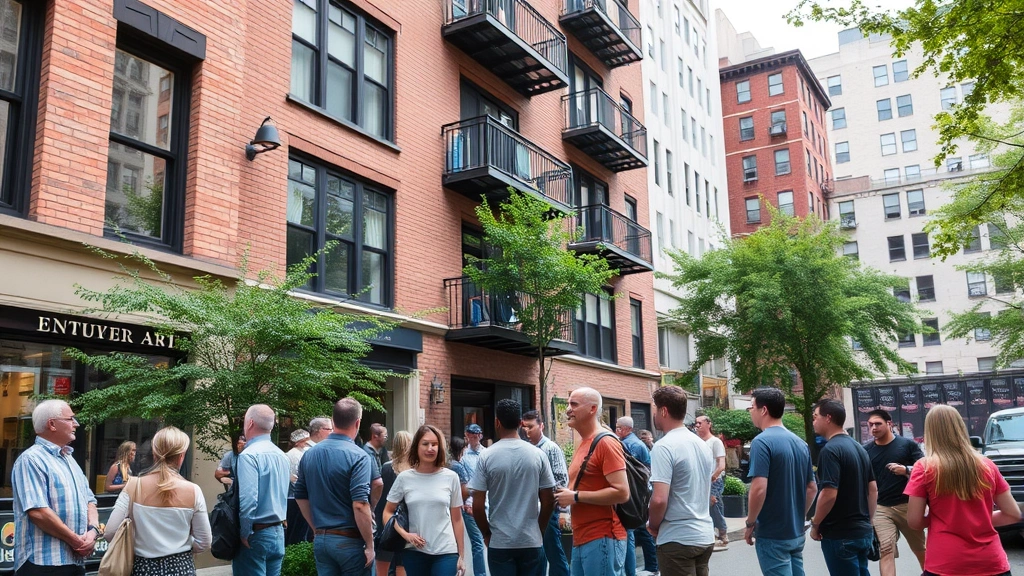
Affordable Housing Tips for NYC: Local Insights and Practical Strategies
Finding affordable housing in New York City remains one of the most pressing challenges for renters and homeowners alike. With median rents consistently climbing and homeownership prices reaching historic highs, New Yorkers need practical, actionable strategies to navigate the complex housing market. This comprehensive guide provides local insights, policy awareness, and tenant-focused solutions to help you secure and maintain affordable housing in the five boroughs.
NYC’s housing crisis affects millions of residents across all income levels. Whether you’re a first-time renter, a family seeking stability, or a homeowner concerned about property taxes and maintenance costs, understanding the landscape of affordable housing programs, tenant protections, and financial assistance is essential. This article explores proven strategies that New Yorkers have successfully used to find, secure, and keep affordable homes.

Understanding NYC’s Affordable Housing Programs
New York City operates several dedicated affordable housing programs designed to increase supply and help residents access below-market-rate units. The most prominent initiative is the Housing New York 2.0 plan, which aims to create or preserve 300,000 affordable homes over ten years. This program combines new construction, conversion of underutilized buildings, and preservation of existing affordable stock.
The Mitchell-Lama Program, established in 1955, remains one of NYC’s longest-running affordable housing initiatives. While no new projects are being created under this program, thousands of units continue to provide affordable rents to current residents. Understanding whether your building participates in Mitchell-Lama can significantly impact your housing costs and lease protections.
Inclusionary Housing is another critical program requiring developers to include affordable units in new residential projects. When you encounter new construction buildings, approximately 25 percent of units must be offered at affordable rates. These units are typically available to households earning 60-80 percent of area median income, making them accessible to many working families.
The NYC Housing Preservation and Development (HPD) agency manages numerous affordable housing initiatives. HPD maintains a searchable database of affordable apartments and provides application assistance for qualified residents. Visiting HPD’s website and registering for their mailing list ensures you receive notifications about newly available units matching your income level.
Section 8 Housing Choice Vouchers, administered through HUD’s housing programs, provide rental assistance to low-income families. The NYC Housing Authority (NYCHA) manages the city’s public housing portfolio and voucher program. While wait lists are lengthy, applying early ensures your place in queue for this crucial subsidy program.

Tenant Protections and Rent Stabilization
NYC’s rent stabilization laws represent some of the strongest tenant protections in the nation. Understanding these regulations is fundamental to protecting your housing rights and maintaining affordability. Rent-stabilized apartments limit annual rent increases to percentages determined by the Rent Guidelines Board, typically 1-3 percent annually.
To determine if your apartment is rent-stabilized, consult the RGB’s public database or request documentation from your landlord. Many longtime residents occupy stabilized units without realizing their legal protections, leaving potential rent-increase limitations unclaimed.
The Tenant Protection Act of 2019 strengthened protections significantly by eliminating preferential rent, limiting landlord use of major capital improvements as justification for increases, and restricting vacancy bonuses. These reforms make it substantially harder for landlords to dramatically raise rents between tenancies.
Just Cause Eviction protections ensure landlords cannot evict residents without legitimate legal cause. Nonpayment of rent, lease violations, owner occupancy, and property demolition represent valid grounds. Landlords cannot evict for arbitrary reasons or as retaliation against tenants asserting their rights.
Familiarizing yourself with the Housing Maintenance Code protects you from substandard conditions. Landlords must maintain habitable premises, provide adequate heat, hot water, and functioning plumbing. Document all deficiencies with photos and written notices, and report serious violations to the Department of Housing Preservation and Development.
Retaliation protections prevent landlords from increasing rent, decreasing services, or threatening eviction after tenants file complaints or assert legal rights. If retaliatory action occurs within six months of protected activity, the law presumes retaliation, placing burden of proof on landlords.
First-Time Homebuyer Programs
For those seeking to transition from renting to homeownership, NYC offers several first-time homebuyer programs that can make property ownership financially feasible. Down payment assistance programs provide grants or subsidized loans covering 3-10 percent of purchase price, dramatically reducing upfront costs.
The New York State Housing Finance Agency (HFA) offers affordable mortgage products with below-market interest rates for qualified first-time buyers. These mortgages typically require smaller down payments and carry favorable terms compared to conventional financing.
Property Tax Abatement Programs like STAR (School Tax Relief) and CONDO provide substantial annual property tax reductions for owner-occupied homes and condominiums. Eligibility depends on income and property type, but approved applicants save thousands annually.
The Homebuyer Education Program, offered through nonprofits and city agencies, provides free or low-cost training covering mortgage qualification, home inspection, property maintenance, and financial planning. Completing these courses often qualifies you for better loan terms and down payment assistance.
Cooperatives and condominiums frequently offer more affordable entry points than single-family homes. Understanding the differences between co-op ownership and condo ownership helps you evaluate which structure suits your financial situation and long-term goals.
Community Board Resources and Local Support
Each NYC community board maintains resources specifically designed to assist residents with housing challenges. Your local board can connect you with nonprofits, legal services, and government programs addressing affordability and tenant rights. Community boards also advocate for neighborhood-specific affordable housing initiatives.
Nonprofit organizations throughout NYC provide free or subsidized legal services for tenants facing eviction, harassment, or housing disputes. Organizations like the Legal Aid Society and Community Service Society offer comprehensive tenant advocacy without cost barriers.
Housing Counseling Agencies provide personalized guidance for renters and homeowners navigating the housing market. These HUD-approved counselors help with lease negotiation, mortgage qualification, budgeting, and understanding your rights. Services are typically free for low-to-moderate income households.
Your borough’s Department of Housing Preservation and Development office maintains current information about local affordable housing opportunities, tenant protections, and complaint procedures. Building relationships with HPD staff helps you access resources and understand available programs.
Tenant associations in your building or neighborhood provide peer support and collective advocacy. Organized tenant groups negotiate with landlords more effectively, share information about rights and resources, and coordinate responses to building-wide issues.
Digital Tools and Rental Platforms
Modern technology offers numerous tools for finding affordable housing more efficiently. StreetEasy, the primary NYC rental platform, allows filtering by price, neighborhood, and amenities. While many listings on StreetEasy command market-rate prices, filtering by specific price ranges and neighborhoods with stronger affordable housing presence yields results.
The NYC Housing Authority’s NYCHA Leasing Office maintains a searchable database of available public housing apartments. Regular checking of this database, combined with applications to multiple locations, increases chances of securing affordable public housing.
HPD’s Affordable Housing Portal lists newly available apartments in HPD-regulated buildings. This platform specifically showcases units offered at below-market rates, making it invaluable for serious affordable housing seekers. Registering for email alerts ensures you receive notifications immediately when units matching your criteria become available.
Apps like PadMapper and Zillow aggregate rental listings and allow detailed filtering. Setting price alerts ensures you’re notified immediately when new listings matching your budget appear, giving you competitive advantage in fast-moving markets.
Nonprofit housing databases maintained by organizations like Community Service Society and the Furman Center for Real Estate and Urban Policy provide research-backed information about affordable housing availability by neighborhood and income level.
Long-Term Strategies for Housing Stability
Beyond immediate housing search strategies, implementing long-term approaches ensures sustained affordability and stability. Building household savings provides buffer for unexpected rent increases or emergency expenses. Even modest monthly savings accumulate into resources for down payments, security deposits, or moving costs.
Improving credit scores opens access to better mortgage terms and rental opportunities. Paying bills on time, reducing debt-to-income ratios, and disputing errors on credit reports gradually improve your financial profile, making you more competitive for affordable housing programs requiring credit qualification.
Diversifying income sources increases household earning power without necessarily requiring full-time employment changes. Side income from freelancing, gig work, or part-time positions supplements primary income, improving your ability to afford housing while maintaining flexibility.
Understanding zoning and development trends helps you identify neighborhoods likely to see increased affordable housing development. Areas designated for inclusionary housing or with active community board affordable housing advocacy often see new supply entering market at below-market rates.
Advocating for policy changes contributes to systemic solutions addressing NYC’s housing crisis. Supporting organizations pushing for increased affordable housing funding, stronger tenant protections, and zoning reform creates conditions benefiting all residents seeking affordable homes.
Staying informed about tax deductions and credits available to homeowners and renters maximizes your financial resources. Property tax deductions, energy efficiency credits, and earned income tax credits provide substantial annual savings for eligible households.
Regular lease reviews and rent negotiation can reduce costs even in unregulated market-rate apartments. Demonstrating reliability as a tenant, offering longer lease terms, or timing negotiations strategically sometimes yields rent reductions or rate freezes from landlords seeking stable occupancy.
FAQ
What income level qualifies for NYC affordable housing programs?
Income limits vary by program, but most NYC affordable housing targets households earning 60-80 percent of area median income. For a family of four in 2024, this typically means household income between $55,000-$75,000 annually. Specific programs have different thresholds, so check individual program requirements. HPD’s website provides current income limits for each program.
How long are NYC Housing Authority wait lists?
NYCHA wait lists currently exceed two years for most developments. However, applying immediately places your household in queue. Priority categories exist for elderly residents, people with disabilities, and victims of domestic violence. Applying to multiple NYCHA developments increases your chances of placement within waiting period.
Can my landlord raise my rent without limit?
Rent-stabilized apartments have increases capped at Rent Guidelines Board percentages, typically 1-3 percent annually. Market-rate apartments have fewer protections, but landlords cannot raise rent mid-lease. At lease renewal, they can increase rent substantially, but “unconscionable” increases may violate good faith obligations. Rent-stabilized status depends on lease commencement date and building registration status.
What should I do if my landlord is retaliating against me?
Document all retaliatory actions with dates and details. If retaliation occurs within six months of protected activity (complaints, rent withholding, asserting rights), presumption of retaliation applies. Contact Legal Aid Society or a tenant rights organization immediately. File complaints with HPD and consider litigation. Retaliation is illegal and carries penalties including treble damages.
Are there affordable housing options for seniors on fixed incomes?
Yes. Many programs specifically target seniors, including subsidized senior housing developments, NYCHA senior buildings, and Mitchell-Lama senior projects. The Naturally Occurring Retirement Community (NORC) program provides services and support in buildings with high senior populations. Area agencies on aging maintain lists of senior-specific affordable housing options.
How can I find affordable housing in specific neighborhoods?
Research neighborhood-specific affordable housing developments through HPD’s database and community board websites. Connect with local tenant associations and nonprofits serving your target neighborhood. Understanding each neighborhood’s zoning and development pipeline helps identify areas likely to see new affordable supply. Visiting neighborhood housing fairs and information sessions connects you with building management and housing organizations.