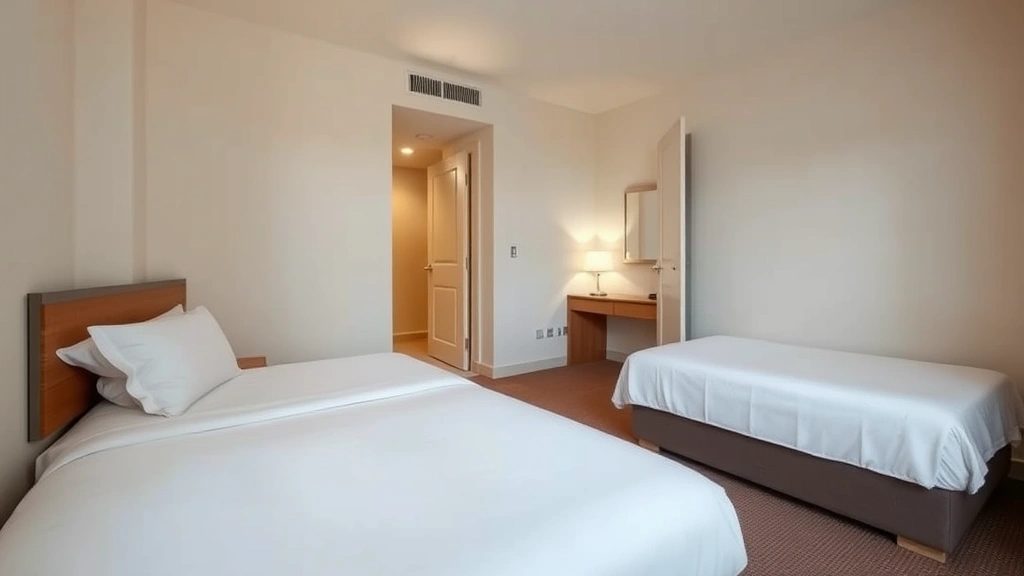
Cheap Hotels Near Me? Local Insights for Budget-Friendly Stays
Finding affordable accommodation doesn’t mean sacrificing comfort or convenience. Whether you’re traveling for business, visiting family, or taking a weekend getaway, budget hotels offer practical solutions for cost-conscious travelers. The hospitality landscape has evolved significantly, with budget chains and independent properties competing to provide value without cutting essential corners.
Understanding how to locate cheap hotels near you requires knowing where to search, what amenities justify your spending, and how seasonal trends affect pricing. This guide walks you through local strategies, insider tips, and resources that help you secure genuine bargains while avoiding hidden fees and substandard accommodations.

Understanding Budget Hotel Categories
Budget hotels fall into distinct categories, each serving different traveler needs and expectations. Economy hotels typically charge $50-$100 per night and provide clean rooms with essential furniture, a private bathroom, and basic housekeeping. These properties focus on operational efficiency rather than luxury amenities.
Mid-budget establishments ($100-$150 nightly) often include continental breakfast, fitness facilities, and business centers. Extended-stay hotels cater to travelers remaining multiple nights, frequently offering kitchenettes and discounted weekly rates. Understanding these distinctions helps you match your needs with appropriate pricing tiers.
Many budget chains maintain consistent quality standards across locations, making them reliable choices when you’re unfamiliar with an area. Brands like Motel 6, Red Roof, Super 8, and La Quinta have built reputations on affordability and predictability. Independent budget hotels sometimes offer better value but require more research regarding quality and safety standards.
When comparing options, consider what “budget” means in your specific location. Cheap hotels near major metropolitan areas command higher prices than identical properties in rural regions. A $70 nightly rate represents genuine economy in downtown Los Angeles but might be overpriced in smaller towns.

Local Search Strategies That Work
Finding affordable lodging in your area starts with leveraging multiple search platforms simultaneously. Google Hotels, Booking.com, and Expedia display prices from various sources, but each platform occasionally offers exclusive deals. Checking three to four platforms takes fifteen minutes and frequently reveals $10-$20 savings.
Hotel aggregator websites compile listings from booking platforms, direct hotel websites, and lesser-known booking channels. This consolidated approach surfaces budget properties that don’t heavily advertise through major platforms. Many independent budget hotels maintain small online presences but offer excellent rates when contacted directly.
Location-based searches using Google Maps or Apple Maps reveal nearby properties with current ratings and recent reviews. Filtering by price range narrows results immediately. This method works particularly well when traveling to unfamiliar areas, as you can see exact distances to attractions, restaurants, and transit hubs.
Local tourism boards and visitor bureaus maintain comprehensive hotel directories, sometimes including special promotions unavailable elsewhere. Calling the visitor bureau directly often yields personalized recommendations matching your specific needs and budget constraints. Staff members understand local market conditions and seasonal variations affecting pricing.
Social media groups focused on local travel frequently share current deals and insider recommendations. Facebook groups dedicated to specific cities often have members who recently stayed in budget properties and can provide honest assessments of value and quality. These peer recommendations often prove more reliable than filtered online reviews.
Consider subscribing to hotel chain loyalty programs before searching. Even budget chains offer points for free nights, room upgrades, and late checkout privileges. Membership is typically free and occasionally provides rate reductions even on budget options. Accumulated points from business travel can substantially reduce personal vacation costs.
Amenities Worth Paying For
Not all budget hotels offer identical amenities, and some additions justify slightly higher rates. Free Wi-Fi has become standard but quality varies significantly. Test connection speeds before booking, as sluggish internet in budget properties frustrates business travelers and remote workers.
Hotels with indoor pools command premium rates but provide value for families with children or travelers seeking exercise facilities. Jacuzzi tubs and hot tubs appeal to travelers seeking relaxation after long drives or business meetings. These amenities justify $10-$20 additional nightly costs for many guests.
Fitness facilities in budget hotels vary from basic treadmills to comprehensive gym equipment. Travelers maintaining exercise routines during trips appreciate this amenity enough to pay modest premiums. Complimentary breakfast buffets significantly reduce daily food costs, particularly for families or extended stays.
Free parking matters critically in urban areas where parking fees add $15-$30 daily. Budget properties in cities sometimes charge for parking, negating apparent savings. Confirm parking inclusion before booking, especially in downtown locations or resort areas with resort fees.
Pet-friendly policies matter for travelers with animals. Properties allowing pets typically charge $25-$50 nightly pet fees, but this remains cheaper than boarding facilities or pet-sitters. Confirming pet policies prevents last-minute complications and unexpected charges.
Business centers, laundry facilities, and 24-hour front desk service provide practical value for extended stays. Properties lacking these services might require expensive workarounds. Evaluate your specific travel needs and prioritize amenities justifying additional cost.
Seasonal Pricing and Booking Tactics
Hotel pricing fluctuates dramatically based on season, day of week, and local events. Understanding these patterns enables strategic booking that maximizes savings. Peak seasons typically see rates increase 30-50% above baseline prices. Booking during shoulder seasons (spring and fall) often provides optimal value.
Weekday rates frequently undercut weekend pricing by 20-40%, particularly in business-focused areas. Traveling Monday through Thursday rather than Friday through Sunday can substantially reduce accommodation costs. This tactic works particularly well for budget-conscious leisure travelers with flexible schedules.
Local events dramatically impact availability and pricing. Conferences, sporting events, concerts, and festivals drive up rates significantly. Checking local event calendars before booking helps you avoid peak pricing periods. Conversely, traveling during events sometimes yields deals as hotels discount rates to fill rooms during typically slow periods.
Booking windows affect pricing substantially. Many budget hotels offer better rates booked 2-4 weeks in advance, while some provide last-minute discounts when properties risk vacancy. Monitoring price trends for your desired dates helps identify optimal booking moments. Price tracking tools alert you to rate decreases, enabling strategic rebooking.
Advance purchase non-refundable rates typically offer 15-25% discounts compared to flexible booking options. This strategy works well for confirmed travel plans but carries risk if plans change. Evaluating the probability of cancellation helps determine whether savings justify reduced flexibility.
Midweek stays during low seasons sometimes include promotional rates or package deals bundling meals, activities, or service upgrades. These offerings provide exceptional value but require proactive searching beyond standard booking platforms.
Hidden Fees and What to Avoid
Budget hotel advertised rates frequently exclude mandatory fees that inflate final costs significantly. Resort fees, destination fees, and facility charges add $10-$30 nightly at budget properties. Always confirm the total cost including all mandatory fees before completing reservations.
Parking fees represent another common hidden expense, particularly at properties located in urban areas or tourist destinations. Free parking should be explicitly confirmed in writing, as some properties charge $15-$25 daily for parking. Valet parking at budget properties can exceed $30 nightly.
Incidental charges accumulate quickly at budget properties lacking complimentary amenities. Wi-Fi access, phone calls, fitness center usage, and parking validation fees add up substantially. Reading detailed terms and conditions prevents billing surprises at checkout.
Some budget properties charge cleaning fees for stays exceeding certain lengths or impose surcharges for additional guests. Late checkout fees ranging from $15-$50 apply at properties with rigid policies. Understanding these policies before arrival prevents unexpected charges.
Pet fees, often listed separately, can total $150-$200 for week-long stays when charged nightly. Confirming exact pet policies and total pet-related costs ensures accurate budget calculations. Some properties impose non-refundable cleaning fees for pets regardless of damage.
Cancellation policies vary significantly between budget properties. Non-refundable rates prevent refunds regardless of circumstances, while some properties charge substantial penalties for late cancellations. Understanding cancellation policies helps you evaluate actual risk versus potential savings.
Reading recent guest reviews specifically mentioning unexpected charges provides valuable insight into properties’ fee practices. Travelers frequently mention surprise fees in reviews, offering guidance for avoiding similar experiences. Negative reviews citing fee surprises suggest avoiding those properties regardless of advertised rates.
Location Matters: Proximity vs. Price
Budget hotels in prime locations command premium rates compared to identical properties slightly outside city centers. Staying one or two miles from downtown attractions might reduce nightly costs by 20-30% while remaining convenient via public transit or rideshare services.
Evaluating transportation costs alongside accommodation rates provides accurate total travel expense calculations. A $40 nightly savings might disappear if additional transportation costs $15-$20 daily. Using public transit passes or rideshare subscriptions sometimes offsets higher accommodation rates in central locations.
Neighborhood safety and accessibility matter significantly for budget hotel selections. Properties in questionable neighborhoods might offer exceptional rates but create security concerns and limited access to services. Researching neighborhoods thoroughly ensures your savings don’t compromise personal safety or convenience.
Proximity to attractions, restaurants, and transit hubs affects your overall travel experience and daily expenses. Budget hotels adjacent to public transportation networks provide excellent value despite slightly higher nightly rates. Calculating total travel costs including meals, transportation, and activities provides realistic budget assessments.
Some budget travelers intentionally stay outside city centers, using the saved accommodation costs to enjoy restaurants, attractions, and experiences they’d otherwise skip. This strategy works well for budget-conscious leisure travelers prioritizing experiences over convenience.
Airport proximity significantly impacts business travelers’ accommodation decisions. Budget hotels with free airport shuttle services justify modest rate premiums compared to properties requiring expensive rideshare services. Confirming shuttle availability and schedules prevents frustrating situations at arrival.
Alternative Accommodation Options
Beyond traditional budget hotels, alternative lodging options frequently provide better value for specific traveler types. Hostels offer dormitory accommodations at $20-$40 nightly, suitable for solo travelers and social groups. Private rooms in hostels sometimes cost less than budget hotel rooms while providing community atmospheres.
Home-sharing platforms like Airbnb offer entire apartments or rooms at competitive rates, particularly for multi-night stays. Longer stays frequently include discounts, and kitchen access reduces meal costs significantly. Reading detailed reviews and host communication before booking prevents unpleasant surprises.
Extended-stay hotels designed for corporate relocations and temporary residents offer weekly and monthly rates substantially below nightly pricing. Properties with kitchenettes and laundry facilities provide exceptional value for stays exceeding four nights. Family-friendly hotels often bundle multiple rooms and amenities into package deals offering overall savings.
Motel chains focusing on road-trippers and budget-conscious travelers maintain consistent quality at economy prices. These properties emphasize simplicity and efficiency rather than amenities, keeping overhead low and rates competitive. Loyalty programs at budget chains accumulate points rapidly, enabling free night redemptions.
Bed and breakfasts in smaller towns and rural areas frequently undercut hotel pricing while providing more personalized experiences. Family-run establishments sometimes negotiate lower rates for extended stays or direct bookings avoiding online platform commissions.
Camping and RV facilities offer dramatically reduced costs for travelers with vehicles or willingness to stay in shared accommodations. State and national park campgrounds provide affordable options near natural attractions, though amenities vary significantly by location.
University accommodations during summer breaks and semester breaks sometimes rent dormitory rooms or apartments to travelers at budget rates. Contacting university housing departments directly reveals these opportunities, particularly valuable in college towns and university cities.
Hotels with outdoor pools in budget categories provide recreational amenities appealing to families without premium pricing. Comparing similar amenities across budget categories helps identify properties offering best overall value.
FAQ
What’s the average cost of cheap hotels near me?
Budget hotel costs vary significantly by location, season, and day of week. Urban areas typically charge $60-$120 nightly for economy hotels, while rural locations often offer rooms for $40-$70. Peak seasons increase rates 30-50% above baseline pricing. Checking multiple booking platforms reveals actual pricing for your specific location and travel dates.
How can I find the cheapest hotels in my area?
Compare prices across Google Hotels, Booking.com, Expedia, and hotel chain websites simultaneously. Contact local visitor bureaus for promotional rates and package deals. Join hotel loyalty programs for discounted rates and complimentary upgrades. Monitor price trends for your desired dates using price tracking tools. Consider traveling during shoulder seasons and weekdays when rates decrease substantially.
Are budget hotels safe and clean?
Budget hotels vary in quality and cleanliness. Reading recent guest reviews specifically mentioning cleanliness and safety provides reliable insight into property conditions. Chain budget hotels maintain consistent standards across locations, making them generally reliable. Independent budget properties require more thorough research but sometimes offer exceptional value. Requesting room changes immediately if cleanliness or safety concerns arise protects your well-being.
What amenities should I expect at budget hotels?
Standard budget hotel amenities include private bathrooms, basic furnishings, and housekeeping service. Many include complimentary Wi-Fi, though connection quality varies. Some offer continental breakfast, fitness centers, and business facilities. Parking policies, pet fees, and resort fees vary significantly. Confirming specific amenities before booking prevents disappointment and unexpected charges.
How far in advance should I book budget hotels?
Booking 2-4 weeks in advance typically provides optimal pricing for most budget hotels. Some properties offer last-minute discounts when facing vacancy, but advance booking usually provides better rates and availability. Non-refundable advance purchase rates often provide 15-25% discounts compared to flexible options. Monitoring price trends helps identify optimal booking moments for your specific dates.
Do budget hotels charge hidden fees?
Many budget hotels charge mandatory fees beyond advertised rates, including resort fees, parking charges, and facility surcharges. Reading terms and conditions thoroughly before booking prevents billing surprises. Recent guest reviews frequently mention unexpected fees, providing valuable guidance. Always confirm total costs including all mandatory fees before completing reservations.
What’s the difference between budget hotels and motels?
Budget hotels and motels serve similar markets but differ in structure and amenities. Motels typically offer ground-level rooms with direct parking access, appealing to road-trippers and highway travelers. Hotels feature interior hallways and additional amenities like lobbies and business centers. Both provide economy accommodations, though motels often emphasize simplicity and cost reduction while hotels maintain more traditional hotel services.
Are home-sharing platforms cheaper than hotels?
Home-sharing platforms like Airbnb sometimes offer better value than budget hotels, particularly for multi-night stays and groups. Kitchen access reduces meal costs significantly. However, cleaning fees, service charges, and platform fees can offset apparent savings. Comparing total costs including all fees between hotels and home-sharing options helps identify genuinely cheaper alternatives for your specific needs.