Luxury living has always captivated the imagination of those seeking the finest residential experiences. When we think about penthouse apartments and high-end urban dwellings, we envision spaces that combine architectural excellence, premium amenities, and unparalleled views. While popular culture often glamorizes such spaces—from television shows to animated series—the reality of luxury residential living involves understanding market dynamics, investment potential, and what truly makes a penthouse worth the premium price tag.
This comprehensive guide explores the elements that define luxury penthouse living, examining design principles, amenities, location factors, and practical considerations for anyone interested in understanding or pursuing high-end residential properties. Whether you’re a potential buyer, investor, or simply curious about how the luxury housing market operates, this article provides insights into what separates ordinary apartments from exceptional penthouses.
Defining Luxury Penthouse Living
A penthouse represents the pinnacle of residential real estate, typically occupying the top floor or floors of a high-rise building. However, not all penthouses qualify as luxury properties. True luxury penthouses distinguish themselves through exceptional craftsmanship, exclusive amenities, prime locations, and premium finishes that justify significantly higher price points than standard residential units.
The luxury penthouse market operates within specific parameters that differ substantially from conventional housing markets. These properties often feature square footage ranging from 3,000 to 10,000 square feet or more, with some ultra-luxury penthouses exceeding 15,000 square feet. The per-square-foot pricing for luxury penthouses typically ranges from $1,500 to $5,000 or higher, depending on location, market conditions, and specific amenities.
When considering luxury residential experiences similar to premium hotel stays, penthouses often incorporate hospitality-grade services and finishes. Many high-end buildings offer concierge services, valet parking, and maintenance standards comparable to five-star accommodations, creating a lifestyle experience rather than simply providing shelter.
Understanding the luxury penthouse market requires recognizing that these properties serve multiple purposes: primary residences, investment vehicles, vacation retreats, and status symbols. Each buyer’s motivation influences their priorities regarding specific features and locations.
Architectural and Design Excellence
The architectural vision behind a luxury penthouse significantly impacts its appeal and value. Renowned architects often design signature penthouses that become landmarks within their respective cities. These designs frequently incorporate innovative structural solutions that maximize space while creating dramatic visual effects.
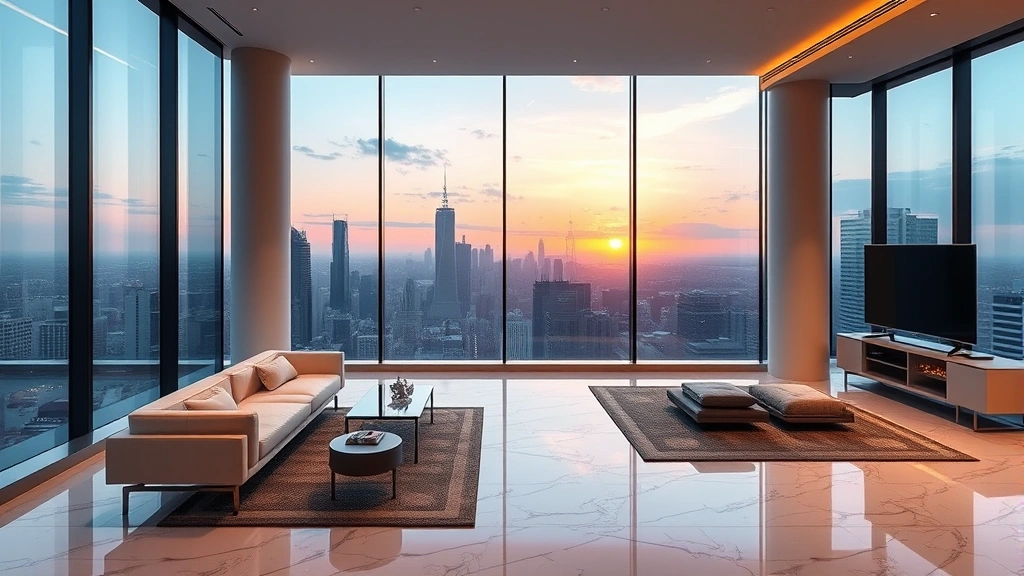
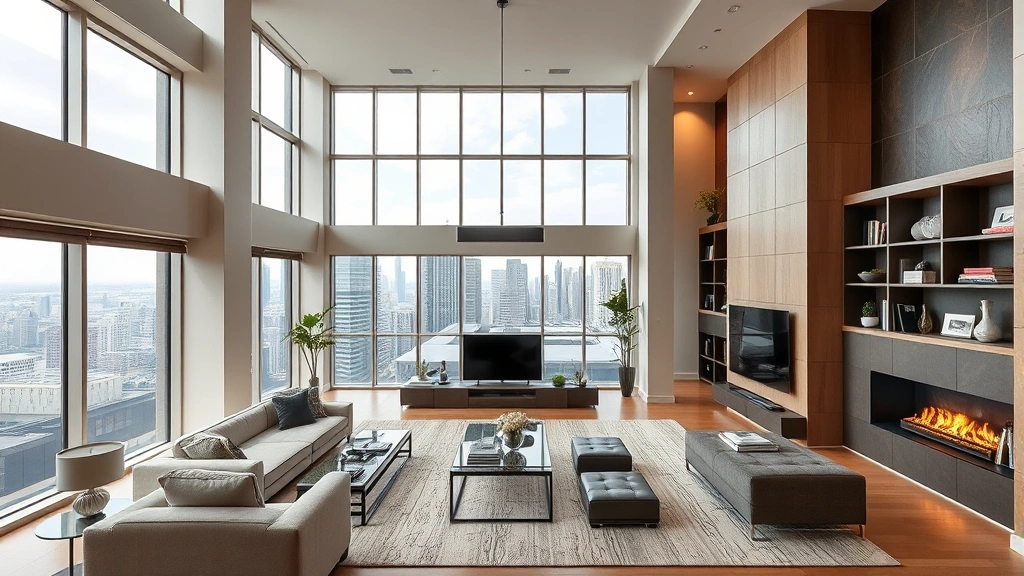
Soaring ceilings—often 12 to 16 feet or higher—characterize many luxury penthouses, creating an expansive sense of space and allowing for impressive interior designs. Floor-to-ceiling windows, often spanning entire walls, provide panoramic views while flooding interiors with natural light. These architectural features demand specialized construction techniques and premium materials to ensure structural integrity and energy efficiency.
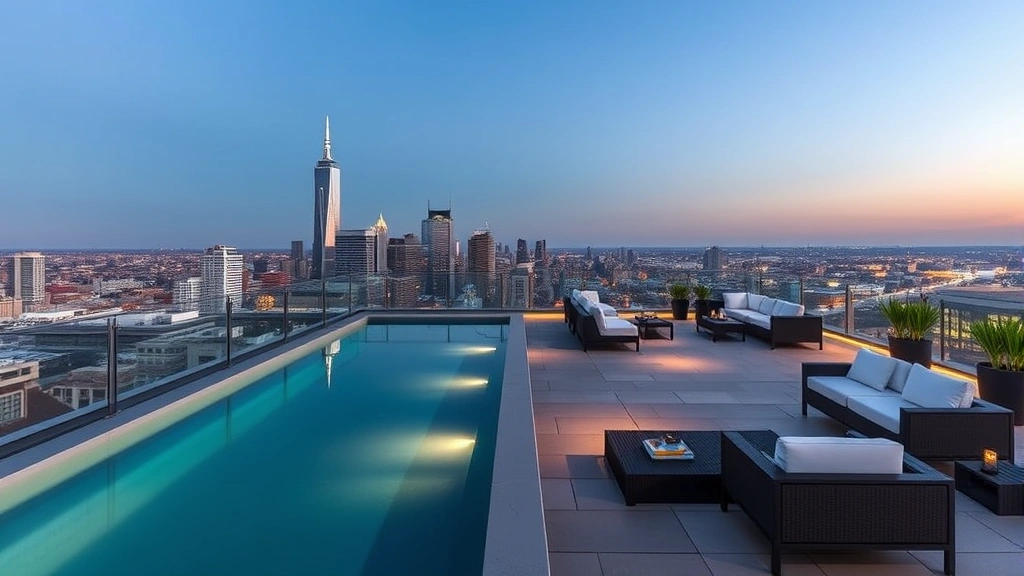
The relationship between interior and exterior spaces defines contemporary luxury penthouse design. Many feature wraparound terraces, multiple balconies, or rooftop gardens that essentially extend living space beyond traditional interior boundaries. These outdoor areas often include built-in seating, fire features, and sophisticated landscaping that transforms them into genuine outdoor rooms.
Material selection reflects the commitment to quality inherent in luxury properties. Marble, granite, exotic woods, and high-end ceramics appear throughout these spaces. Flooring might feature heated marble, wide-plank hardwoods from sustainably managed forests, or custom-installed materials imported from Europe or Asia. Every material selection considers both aesthetic appeal and long-term durability.
Architectural details matter tremendously in luxury penthouses. Custom millwork, coffered ceilings, architectural moldings, and bespoke built-ins demonstrate the level of craftsmanship expected in premium properties. These elements require skilled artisans and substantially longer construction timelines than standard residential projects.
Premium Amenities and Features
Luxury penthouses typically include amenities that extend far beyond standard residential offerings. Building-level amenities in premium high-rises often rival those found in luxury hotels with comprehensive guest services. These might include:
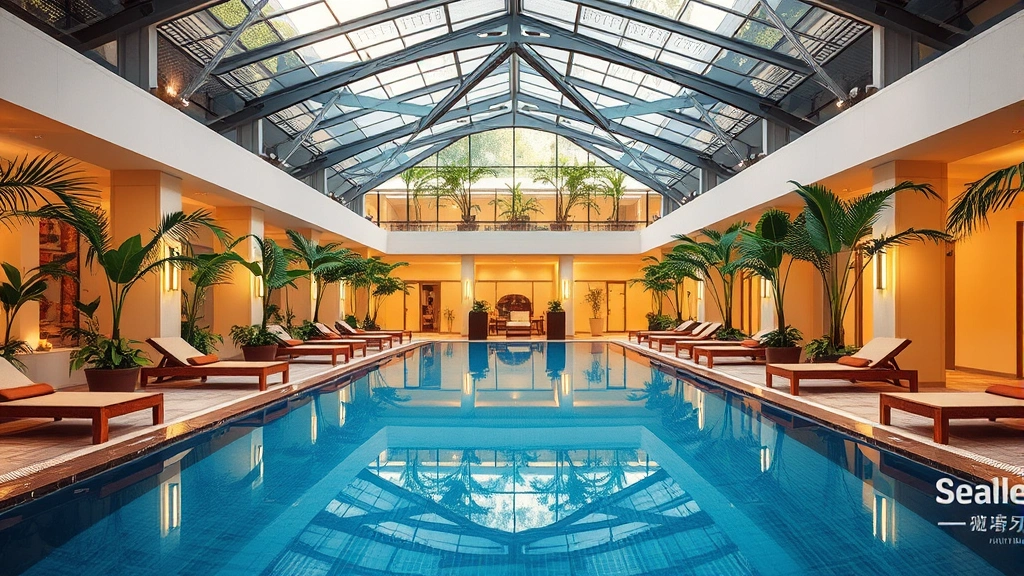
- Fitness and wellness facilities: State-of-the-art gyms, yoga studios, spa facilities, sauna and steam rooms, and sometimes even dedicated meditation spaces
- Recreational spaces: Rooftop lounges, private theaters, wine cellars, game rooms, and libraries
- Hospitality services: 24-hour concierge, housekeeping, room service, and valet parking
- Security features: Advanced surveillance systems, biometric access controls, private elevators, and dedicated security personnel
- Dining facilities: Private restaurants, catering kitchens, and sommelier services
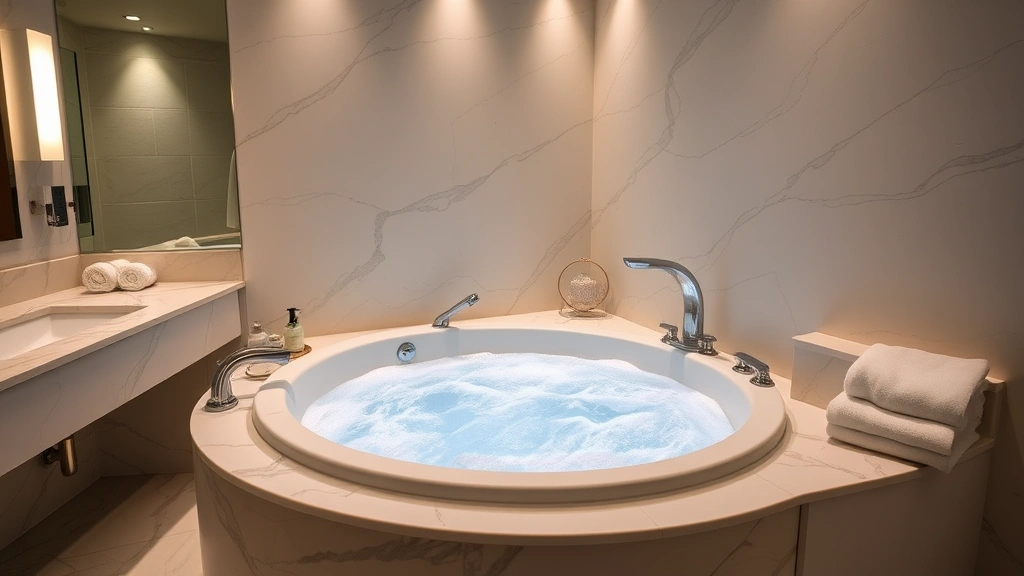
Within the penthouse unit itself, luxury finishes create distinctive living experiences. Chef’s kitchens feature professional-grade appliances, often custom-designed cabinetry, and premium countertop materials. Multiple bathrooms showcase spa-like qualities with heated floors, rainfall showerheads, soaking tubs, and high-end fixtures from luxury brands.
Home automation systems in luxury penthouses integrate lighting, climate control, security, entertainment, and window treatments into sophisticated systems controllable through smartphones or voice commands. These systems often exceed $100,000 in installation costs for comprehensive implementation.
Climate control systems in penthouses demand specialized design because top-floor units experience greater temperature fluctuations than lower floors. Zoned HVAC systems, radiant heating, and advanced insulation address these challenges while maintaining energy efficiency.
Location and Market Dynamics
Location fundamentally determines penthouse value and desirability. The most prestigious penthouses occupy buildings in prime urban locations offering distinctive skyline views, proximity to cultural institutions, fine dining, shopping, and business districts. Markets like New York, Los Angeles, Miami, Chicago, and San Francisco command premium prices for luxury penthouses.
When comparing luxury markets, secondary markets offer emerging opportunities with different investment profiles than primary luxury markets. Emerging luxury markets sometimes offer better appreciation potential, though with different risk profiles than established markets.
Neighborhood prestige significantly impacts penthouse valuation. Buildings located in historically affluent neighborhoods with strong cultural cachet command premium pricing. Proximity to parks, waterfronts, or distinctive architectural landmarks enhances desirability and justifies higher price points.
Market dynamics in the luxury segment differ substantially from broader housing markets. Luxury properties exhibit lower transaction volumes but often experience less price volatility. These properties frequently appreciate steadily over time, particularly in primary markets with limited supply of new luxury construction.
According to HUD (Department of Housing and Urban Development), understanding housing market trends requires analyzing multiple factors beyond simple price data. For luxury properties specifically, factors include developer reputation, architectural significance, building amenities, and long-term market positioning.
Investment Considerations
Purchasing a luxury penthouse requires understanding it as an investment distinct from primary residential real estate. Investment considerations include:
- Capital appreciation: Luxury properties in prime locations typically appreciate 3-5% annually, though this varies significantly by market and specific property characteristics
- Carrying costs: Property taxes, insurance, and maintenance fees for luxury penthouses often total $15,000-$50,000 monthly or more, requiring careful financial planning
- Liquidity: Luxury properties involve longer sales timelines than standard residential real estate, requiring patient capital strategies
- Market timing: Economic cycles affect luxury markets differently than mass-market housing, with luxury segments sometimes experiencing sharper downturns but stronger recoveries
- Diversification: Real estate professionals recommend that luxury property investments comprise no more than 40-50% of total net worth
Rental income potential varies significantly based on location and market conditions. Some luxury penthouses generate substantial rental income when positioned as short-term vacation rentals or executive leasing properties. However, many luxury buildings restrict rental activity or impose significant limitations, potentially impacting investment returns.
Currency considerations matter for international buyers. Exchange rate fluctuations can substantially impact returns for foreign investors, requiring careful hedging strategies and long-term investment horizons.
Tax implications of luxury property ownership extend beyond standard property taxes. Capital gains taxes, depreciation recapture (for rental properties), and estate planning considerations require specialized professional guidance from tax attorneys and accountants experienced in luxury real estate.
Interior Design Trends
Contemporary luxury penthouse design reflects evolving aesthetic preferences and lifestyle priorities. Current trends emphasize:
Minimalist sophistication: Moving away from ostentatious displays of wealth, modern luxury design favors clean lines, neutral palettes, and carefully curated collections of high-quality pieces. This approach creates serene, sophisticated spaces that emphasize quality over quantity.
Biophilic design: Integration of natural elements, plants, natural materials, and nature views increasingly features in luxury spaces. Living walls, indoor gardens, and abundant plants create healthier indoor environments while connecting residents to nature.
Sustainable luxury: High-end properties increasingly incorporate sustainable materials, renewable energy systems, and eco-friendly technologies. Luxury no longer means environmental excess; instead, it combines premium quality with environmental responsibility.
Flexible spaces: Rather than rigid room designations, modern penthouses feature adaptable spaces that accommodate multiple functions. Home offices, fitness areas, and entertainment spaces integrate seamlessly into living environments.
Art integration: Many luxury penthouses function as art galleries, with dedicated wall space and specialized lighting for significant art collections. Some owners commission custom artwork or collaborate with renowned artists.
Color psychology influences contemporary luxury design. Sophisticated neutral tones—warm grays, soft whites, and natural wood tones—dominate, punctuated with carefully chosen accent colors that reflect personal taste without overwhelming the space.
Technology Integration
Smart home technology has become essential in luxury penthouses, creating integrated systems that enhance comfort, security, and convenience. Advanced implementations include:
Integrated control systems: Comprehensive platforms control lighting, temperature, security, entertainment, and window treatments from centralized interfaces or mobile applications. Premium systems like Control4, Savant, or Crestron offer reliability and sophistication expected in luxury properties.
Advanced security: Multi-layer security systems incorporate facial recognition, biometric access controls, motion sensors, and 24/7 monitoring. Some penthouses feature panic rooms with independent communication systems and secure storage for valuables.
Climate optimization: AI-powered climate systems learn resident preferences and adjust automatically based on occupancy patterns, external weather conditions, and time of day. These systems significantly reduce energy consumption while maintaining optimal comfort.
Entertainment systems: Whole-home audio systems, private theaters with commercial-grade projection and sound, and sophisticated media rooms create immersive entertainment experiences. Integration with streaming services and personal music collections provides seamless access to entertainment.
Health and wellness technology: Air purification systems, circadian lighting that mimics natural daylight patterns, water filtration systems, and fitness tracking integration support resident wellness.
Technology implementation in luxury penthouses requires specialized expertise. Professional installers ensure systems integrate seamlessly, function reliably, and maintain aesthetic appeal without visible wiring or equipment.
Lifestyle and Community Aspects
Luxury penthouse living encompasses more than physical spaces; it represents a lifestyle and community experience. Residents of prestigious buildings often enjoy:
Exclusive social opportunities: Many luxury buildings host resident events, creating networking opportunities among high-net-worth individuals and prominent professionals. These communities often develop strong social bonds despite the typically private nature of luxury living.
Concierge services: Professional concierge staff handle reservations, arrange transportation, coordinate services, and manage resident requests. Premium concierge services sometimes extend to personal shopping, event planning, and lifestyle management.
Building reputation: Residence in iconic buildings carries social cachet, often recognizable globally. Buildings designed by renowned architects or with significant historical importance enhance residents’ status and community identity.
Similar to resort communities offering comprehensive lifestyle experiences, luxury residential buildings increasingly provide resort-style amenities and services that support residents’ wellness and entertainment needs.
Community governance in luxury buildings typically involves resident associations that maintain high standards and preserve property values. These organizations make decisions regarding building improvements, amenity enhancements, and service level maintenance.
For more information on housing standards and resident rights, consult HUD’s housing programs and resources. While primarily focused on affordable housing, HUD provides valuable context on housing standards applicable across market segments.
Networking within luxury residential communities often proves invaluable for business professionals, entrepreneurs, and investors. The concentration of successful individuals creates organic opportunities for collaboration and professional advancement.
Building amenities designed like premium hotel accommodations with spa facilities increasingly appeal to luxury penthouse residents. Spa areas, saunas, and wellness facilities address growing interest in health optimization and stress reduction.
Transportation convenience matters significantly in luxury penthouse selection. Proximity to transit hubs and major transportation corridors enhances accessibility for residents who travel frequently for business or pleasure.
Environmental factors increasingly influence luxury penthouse desirability. Views of parks, waterfronts, or distinctive skylines command premium pricing. Some residents prioritize buildings with strong sustainability credentials, including LEED certification or net-zero energy performance.
For renters seeking luxury accommodations, understanding penthouse living helps contextualize rental options. Many luxury buildings offer penthouse-level units available for lease, providing temporary access to premium living spaces. Organizations like Apartment List and Zillow list luxury rental properties in major markets.
Prospective luxury penthouse buyers should work with real estate professionals specializing in high-end properties. These specialists understand market nuances, building-specific considerations, and negotiation strategies specific to luxury transactions. Some markets have dedicated luxury real estate teams with expertise in penthouses specifically.
Future trends suggest continued emphasis on technology integration, sustainability, and wellness amenities in luxury penthouses. Remote work adoption means many residents prioritize dedicated office spaces with high-speed internet connectivity. Climate change awareness drives demand for energy-efficient systems and sustainable materials.
FAQ
What price range defines a luxury penthouse?
Luxury penthouse pricing varies dramatically by location. In major markets like New York or Los Angeles, luxury penthouses typically start at $5-10 million and extend to $50 million or beyond for ultra-premium properties. Secondary markets may feature luxury penthouses in the $2-5 million range. Per-square-foot pricing typically ranges from $1,500 to $5,000 or higher.
How do carrying costs compare to purchase price?
Annual carrying costs for luxury penthouses typically represent 3-8% of purchase price annually. A $10 million penthouse might generate $300,000-$800,000 in annual carrying costs including property taxes, insurance, and building fees. This requires careful financial planning and sufficient liquid assets beyond the purchase price.
Are luxury penthouses good investments?
Luxury penthouses can serve as solid long-term investments in prime locations with strong historical appreciation. However, they require patient capital, significant carrying costs, and careful selection of property and location. They work best as part of diversified investment portfolios rather than standalone investments.
What makes one penthouse more luxurious than another?
Luxury differentiation factors include location prestige, views, architectural significance, building amenities, finishes quality, square footage, ceiling heights, outdoor space, and building reputation. Properties combining multiple premium factors command significantly higher prices than those with limited luxury attributes.
Can I rent out my luxury penthouse?
Rental possibilities depend on building policies and local regulations. Some luxury buildings prohibit rentals entirely, while others permit long-term leasing but restrict short-term rentals. Professional property managers specializing in luxury rentals can help navigate these considerations and maximize rental income where permitted.
What’s the typical timeline for selling a luxury penthouse?
Luxury property sales typically require 6-12 months or longer, compared to 30-60 days for standard residential properties. The smaller buyer pool, specialized marketing requirements, and complex negotiations inherent in luxury transactions extend timelines. Patient sellers often achieve better prices through appropriate positioning and marketing.