Charming French Quarter Small Hotels: Traveler Picks for Authentic New Orleans Stays
The French Quarter of New Orleans pulses with historic charm, vibrant culture, and architectural splendor that draws millions of visitors annually. While large chain hotels dominate many tourist destinations, the French Quarter offers a distinctly different experience through its collection of small, independently-operated hotels. These intimate properties capture the essence of New Orleans’ Creole heritage, offering personalized service and authentic accommodations that larger establishments simply cannot replicate. Travelers seeking genuine connection to the city’s soul increasingly turn to boutique and small hotels that blend historic character with modern comfort.
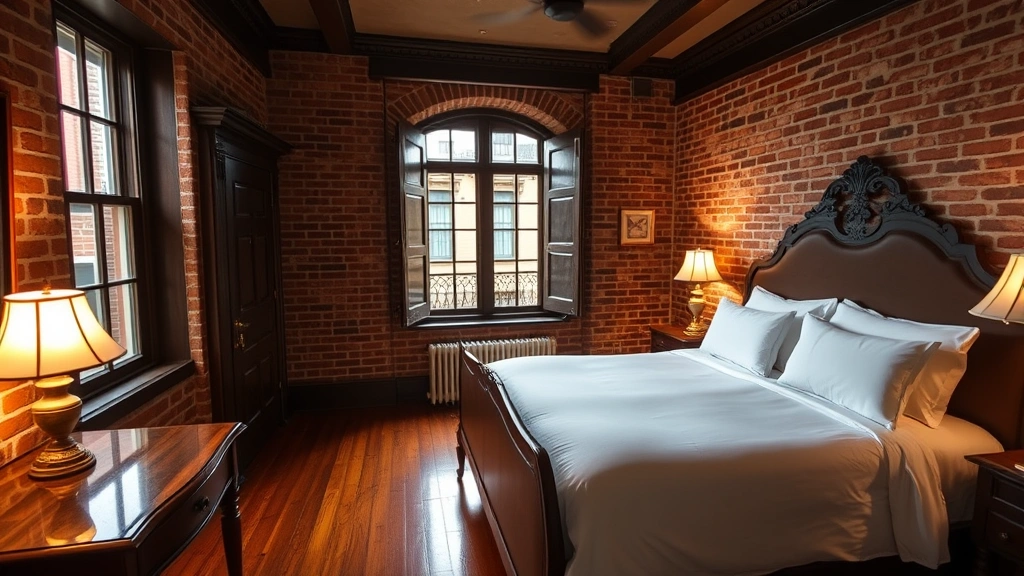
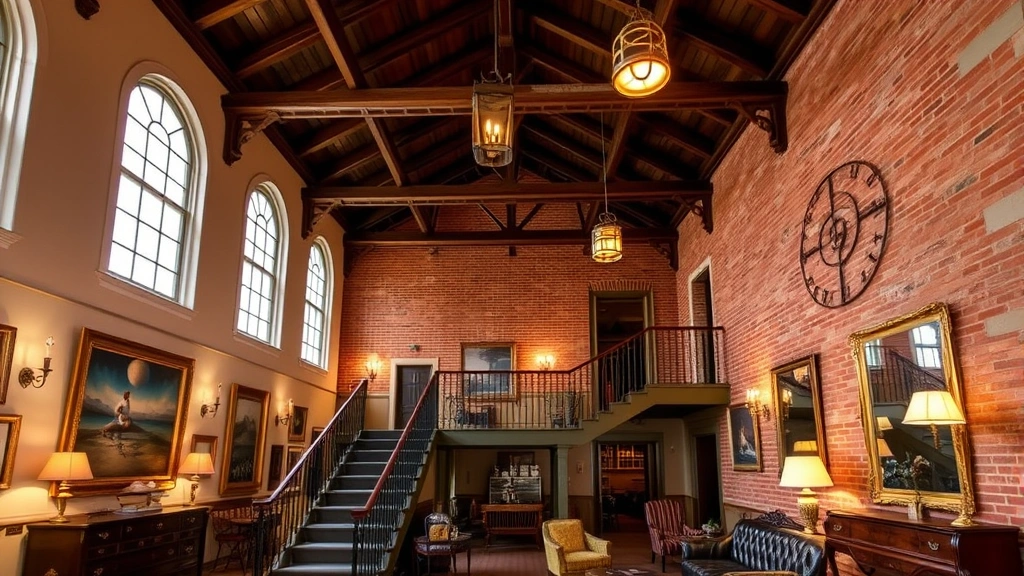
Small hotels in the French Quarter provide more than just a place to sleep—they offer a gateway into the neighborhood’s living history. Many occupy centuries-old buildings with original brick walls, exposed beams, and period details that transport guests directly into the past. Staff members at these properties often possess deep knowledge of local restaurants, hidden courtyards, and cultural events that typical hotel concierges might miss. Whether you’re planning a romantic weekend, a cultural exploration, or a family vacation, understanding what makes these properties special helps you choose the perfect home base for your New Orleans adventure.
What Makes French Quarter Small Hotels Special
Small hotels in the French Quarter distinguish themselves through authentic hospitality and cultural immersion that mass-market accommodations cannot provide. These properties typically feature fewer than 50 rooms, allowing management to maintain quality standards and personalized service that larger operations struggle to achieve. The owners and staff often have multi-generational ties to New Orleans, bringing genuine passion for sharing their city’s stories with visitors.
The difference becomes apparent from the moment you arrive. Rather than checking in at a corporate desk, you interact with individuals who can recommend their favorite café around the corner or suggest which gallery opening is happening that evening. Many small hotels maintain relationships with local artisans, musicians, and restaurant owners, creating referral networks that benefit guests seeking authentic experiences. This interconnectedness transforms your stay from a transactional hotel visit into a genuine exploration of New Orleans culture.
Additionally, small hotels often support local economies more directly. Money spent at these establishments circulates through the community rather than flowing to distant corporate headquarters. Many partner with local suppliers for linens, toiletries, and breakfast provisions, strengthening neighborhood businesses. Choosing a small hotel means becoming a stakeholder in the French Quarter’s cultural preservation and economic vitality.
Historic Architecture and Design Elements
The French Quarter’s architectural heritage spans nearly three centuries, with buildings dating from the 1700s representing some of America’s oldest continuously occupied structures. Small hotels housed within these historic properties showcase original features that tell stories of colonial, Spanish, and Creole periods. Exposed brick walls reveal construction techniques from centuries past, while original cypress wood beams demonstrate the durability of materials sourced from Louisiana swamps.
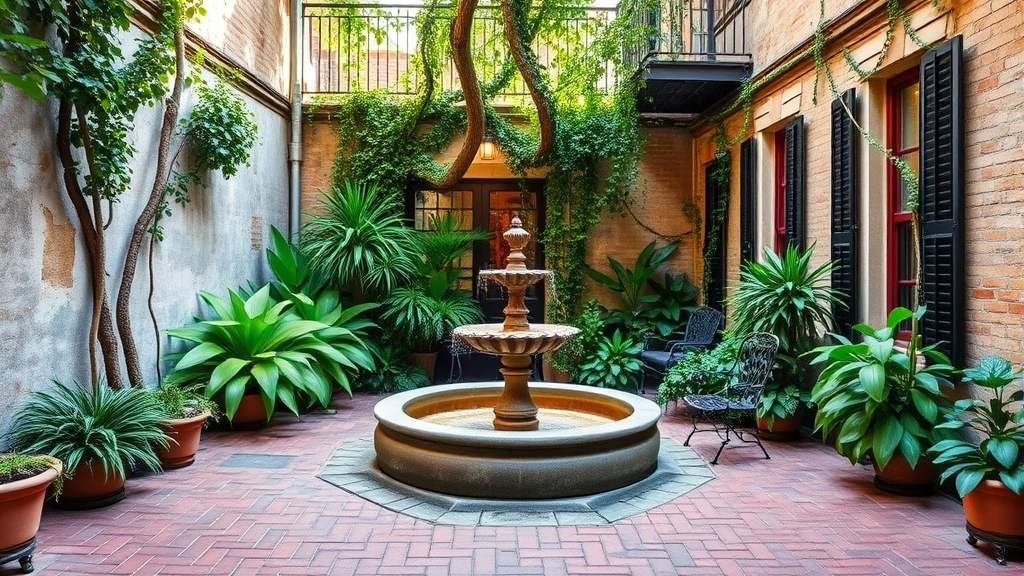
Many small hotels preserve courtyard gardens that serve as peaceful retreats from bustling street activity. These outdoor spaces often feature original brick paving, antique fountains, and lush vegetation creating microclimates of tranquility. Courtyards traditionally provided ventilation and light to interior rooms before modern HVAC systems, and they remain cherished features that connect guests to architectural history. Some properties feature galleries—covered walkways with ornate iron railings—that exemplify the distinctive wrought-iron work New Orleans is famous for.
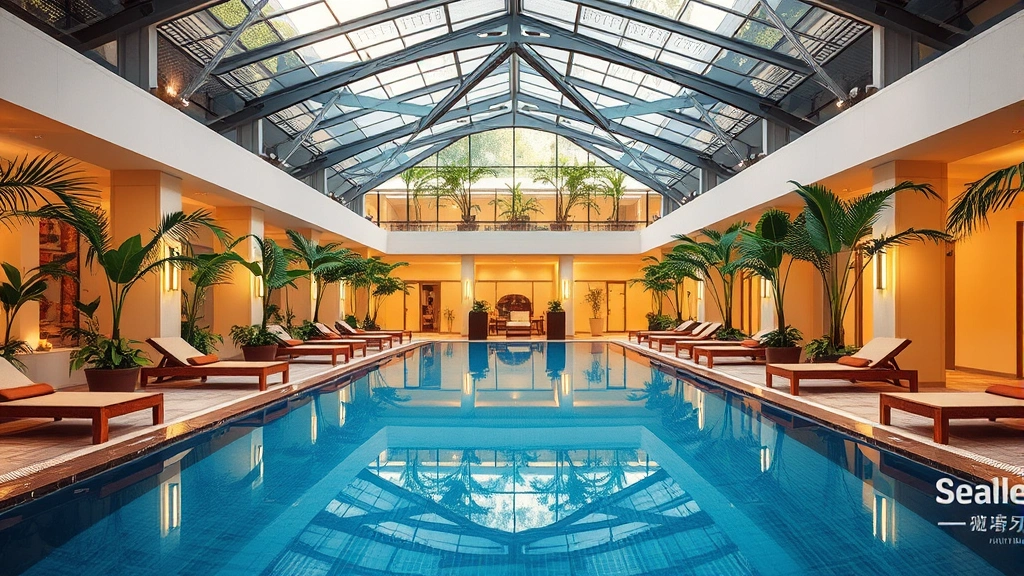
Interior design in quality small hotels balances historic preservation with modern comfort. Original hardwood floors, high ceilings, and period moldings coexist with contemporary bedding, reliable plumbing, and climate control. This thoughtful integration respects architectural integrity while meeting contemporary traveler expectations. When evaluating hotels with pools near me, consider how French Quarter properties incorporate water features—some feature plunge pools in courtyards rather than traditional pools, maintaining neighborhood character while providing refreshing amenities.
Decorative elements in small hotels typically reflect local artistry and cultural significance. Original artwork by New Orleans painters adorns walls, local craftspeople create custom furnishings, and design schemes incorporate colors and patterns inspired by Creole aesthetics. These details create immersive environments where every room tells stories through thoughtful curation.
Amenities Worth Considering
When selecting a small French Quarter hotel, understanding available amenities helps match properties to your specific needs and preferences. While boutique properties may not offer every service that larger hotels provide, many compensate through quality over quantity—offering fewer amenities but ensuring each one meets high standards.
Breakfast service varies significantly among small hotels. Some provide complimentary continental breakfast featuring local pastries and chicory coffee, while others offer none, positioning guests to explore neighborhood bakeries and cafés. This distinction matters for budget-conscious travelers and those seeking authentic dining experiences. Cheap hotels near me with swimming pools sometimes sacrifice breakfast amenities to maintain lower rates, so clarifying what’s included prevents disappointment.
Internet connectivity has become essential for modern travelers, and quality small hotels provide reliable WiFi throughout properties. Some offer dedicated business centers, while others assume guests work from rooms equipped with ergonomic furniture and adequate desk space. Verify connectivity quality before booking, particularly if you’re working remotely during your stay.
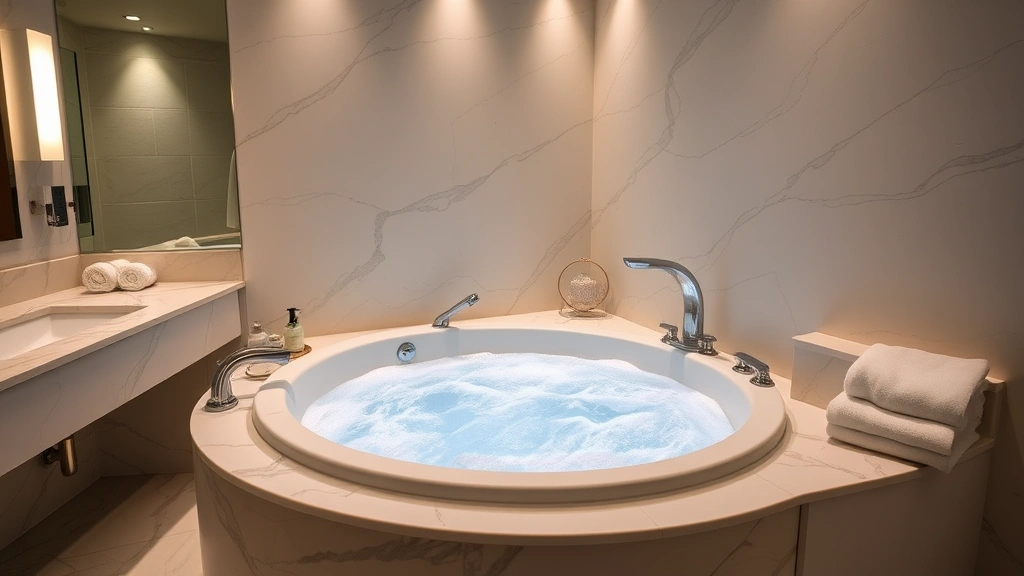
Fitness facilities in small properties range from compact gym spaces to partnerships with nearby fitness centers offering guest access. Some properties feature hotels suites near me with jacuzzi or soaking tubs, providing relaxation amenities even without full spa facilities. Climate control is crucial in New Orleans’ humid climate—ensure rooms include functional air conditioning and humidity management.
Concierge services at small hotels often surpass expectations, with staff providing detailed neighborhood maps, restaurant reservations, and activity recommendations. Some arrange special experiences like private jazz performances, cooking classes, or guided historical tours. These personalized services create memorable aspects of your trip that standard hotel amenities cannot provide.
Housekeeping standards deserve careful attention. Read recent reviews specifically mentioning cleanliness, and verify that properties use professional cleaning protocols. Essential hotel room cleaning tips for travelers can help you identify potential issues, but selecting properties with strong reputations for maintenance prevents problems entirely.
Location Advantages Within the Quarter
The French Quarter spans approximately 13 blocks from north to south and six blocks east to west, yet distinct neighborhoods within it offer different experiences. Understanding micro-locations helps you select hotels aligned with your interests and travel style.
Upper Quarter properties near Jackson Square position guests near the cathedral, street musicians, and portrait artists creating the neighborhood’s most iconic scene. These locations offer convenience for cultural sightseeing but experience higher foot traffic and noise levels, particularly evening and weekend hours. Hotels here appeal to first-time visitors and those prioritizing accessibility to major attractions.
Mid-Quarter locations along Royal Street provide proximity to galleries, antique shops, and restaurants while maintaining somewhat quieter atmospheres than Jackson Square vicinity. This zone balances tourist convenience with neighborhood authenticity, making it popular with returning visitors seeking known attractions without overwhelming crowds.
Lower Quarter areas near Frenchmen Street offer proximity to live music venues, local restaurants, and bohemian cultural centers. These locations appeal to travelers seeking authentic New Orleans culture over mainstream tourism experiences. Frenchmen Street particularly attracts musicians and artists, creating vibrant nightlife distinct from the touristy Bourbon Street scene.
Riverside locations near the Mississippi provide respite from the Quarter’s intensity, offering river views and access to The Moonwalk, a waterfront pedestrian path perfect for morning walks or sunset strolls. Hotels here tend to be quieter while remaining within convenient walking distance of major attractions.
When selecting locations, consider your priorities. Do you want to immerse yourself in tourist attractions, explore local culture, or balance both? Small hotels distributed throughout the Quarter allow matching your location preference to your travel objectives. Walking the neighborhood before booking helps assess noise levels, street conditions, and proximity to amenities important to you.
Booking Tips and Best Practices
Successfully booking a French Quarter small hotel requires research beyond standard hotel comparison websites. Many boutique properties maintain independent booking systems or partner with specialized travel platforms focused on unique accommodations.
Start by identifying properties matching your criteria through dedicated boutique hotel directories and New Orleans tourism websites. The New Orleans Official Tourism website provides curated lists of small hotels with detailed descriptions and photos. Read multiple review sources—TripAdvisor, Google Reviews, and dedicated travel blogs often reveal different perspectives on properties.
Contact hotels directly to ask specific questions about room types, views, noise levels, and special needs accommodations. Small hotel owners appreciate direct communication and often provide information unavailable on websites. Calling allows you to assess staff knowledge and responsiveness, indicators of overall service quality.
Book during shoulder seasons (April-May or September-October) to find better availability and rates while avoiding peak summer heat and crowded winter holidays. These periods offer pleasant weather, reduced crowds, and more attentive staff than properties operating at capacity.
Read cancellation policies carefully, particularly given weather uncertainty in New Orleans during hurricane season. Flexible cancellation policies provide valuable protection against unexpected circumstances. Some small hotels offer better rates with non-refundable bookings—evaluate whether savings justify reduced flexibility.
Request specific room locations when booking. Corner rooms often offer better ventilation and views, while rooms away from elevator banks experience less noise. Properties with courtyards may have quieter courtyard-facing rooms compared to street-facing options. These details significantly impact stay quality.
Verify what’s included in quoted rates. Some properties advertise low nightly rates but charge separately for parking, internet, and taxes, while others include amenities in displayed pricing. Comparing all-inclusive costs prevents booking surprises.
Budget-Friendly Options
Enjoying the French Quarter’s charm doesn’t require unlimited budgets. Strategic selection of small hotels and timing can provide authentic experiences at reasonable costs.
Many small hotels offer room types at various price points within the same property. Standard rooms without views or premium finishes cost significantly less than suites with courtyard access or French balconies. Accepting simpler accommodations allows budget allocation toward dining and activities that define your New Orleans experience.
Consider properties offering cheap hotels near me with swimming pools or other value amenities that reduce spending on entertainment. A property with courtyard access provides recreation space without paying for dedicated attractions. Free breakfast included in room rates stretches budgets further than properties requiring restaurant breakfasts.
Multi-night stays often qualify for reduced rates. Booking three or more consecutive nights may provide 10-20% discounts compared to single-night pricing. Longer stays also reduce transportation costs as you settle into the neighborhood and walk to attractions rather than repeatedly using rideshare services.
Travel insurance protecting against cancellation provides peace of mind and sometimes enables booking non-refundable rates offering better prices. If unexpected circumstances require cancellation, insurance covers losses rather than forfeiting prepaid amounts.
Explore package deals combining hotel stays with activity passes or dining credits. Some properties partner with restaurants and attractions to offer bundled pricing below à la carte costs. These packages particularly benefit travelers new to the city who haven’t established restaurant preferences.
Off-season travel (summer and early fall) offers significantly reduced rates despite warm weather. If you tolerate heat and humidity, visiting June through August provides dramatic savings. Avoid peak hurricane season (August-September) due to weather risk and potential evacuation scenarios.
Making Your Reservation
Once you’ve identified ideal small hotels, the booking process itself deserves careful attention. Direct booking through hotel websites often provides better rates than third-party platforms, as properties avoid commission fees they can pass to guests through lower pricing.
When making reservations, confirm room specifications in writing. Email confirmation should specify bed type (king, queen, double), room location (courtyard-facing, street-facing), and any accessibility requirements. This documentation prevents disputes if staff attempts to assign different accommodations upon arrival.
Provide detailed arrival information including expected check-in time, transportation method, and any special requests. Small hotels appreciate advance notice allowing them to prepare welcome amenities or arrange parking accommodations. This communication establishes personal connection that enhances your stay.
Ask about loyalty programs or frequent visitor discounts even for first bookings. Some properties offer returning guest rates or referral benefits. Building relationships with small hotels through repeat visits often results in better rates and room upgrades than available to one-time guests.
Request confirmation of cancellation policies and refund timelines in writing. While verbal confirmations are pleasant, written documentation provides protection if disputes arise. Clarify whether prepaid reservations receive refunds to original payment methods or as hotel credits.
FAQ
What’s the difference between French Quarter small hotels and bed and breakfasts?
Small hotels offer daily housekeeping, front desk services, and multiple room types within a single property. Bed and breakfasts typically feature fewer rooms within private homes with owners living on-site. Small hotels provide more privacy and services while B&Bs offer more personalized hospitality and home-like atmospheres. Choose based on whether you prefer hotel services or intimate guest-home experiences.
Are parking facilities available at French Quarter small hotels?
Many small hotels offer limited on-site or nearby parking for additional daily fees ranging from $15-35. Some properties lack parking, requiring guests to use public parking garages or street parking. Clarify parking availability and costs before booking, particularly if driving in the French Quarter. Walking and rideshare services often prove more convenient than personal vehicles in this congested neighborhood.
Do small French Quarter hotels accommodate families with children?
Many small hotels welcome families, though some target adult-only audiences. When booking, specify family needs and ask about appropriate room configurations, high chairs, cribs, and child-friendly amenities. Properties with courtyards often appeal to families seeking safe outdoor spaces. Family friendly beach resorts share similar principles of personalized service that many French Quarter small hotels employ.
What’s the best time to visit French Quarter small hotels?
Spring (March-May) and fall (October-November) offer pleasant weather, manageable crowds, and abundant events. Summer provides lower rates but intense heat and humidity. Winter brings holiday festivities but peak tourist crowds. Avoid hurricane season (August-September) due to weather risks. Choose based on your climate preferences and crowd tolerance.
How far in advance should I book French Quarter small hotels?
Book 2-3 months ahead during peak seasons (December, Mardi Gras season, spring break) to secure preferred properties and rates. Shoulder seasons allow booking 4-6 weeks ahead. Off-season reservations can be made closer to travel dates. Early booking provides better selection and sometimes qualifies for early-bird discounts.
Can small hotels accommodate special requests like anniversary celebrations or dietary restrictions?
Small hotels excel at accommodating special occasions and dietary needs due to personalized service. Contact properties directly with specific requests—they often arrange room decorations, restaurant reservations, and dietary accommodations better than large hotels. Provide advance notice allowing staff to prepare appropriate arrangements.
What should I know about noise levels in French Quarter small hotels?
The French Quarter experiences street noise, particularly Bourbon Street areas and near live music venues. Inquire about noise levels during booking and request quieter room locations away from streets or elevators. Packing earplugs or white noise apps helps manage unavoidable neighborhood sounds. Lower Quarter and riverside locations generally offer quieter experiences than Jackson Square vicinity.