Motel vs Hotel: Travel Expert Comparison
When planning a trip, choosing between a motel and a hotel can significantly impact your travel experience, budget, and comfort level. While these terms are often used interchangeably, they represent distinctly different accommodation options with unique characteristics, amenities, and purposes. Understanding the key differences between motels and hotels will help you make an informed decision that aligns with your travel needs, whether you’re embarking on a cross-country road trip, a weekend city escape, or a luxury vacation.
The distinction between motels and hotels has evolved considerably over the decades. Originally, motels were designed as convenient roadside stops for travelers passing through, offering basic amenities and affordable rates. Hotels, conversely, developed as establishments providing comprehensive services and upscale accommodations in urban centers and popular destinations. Today, the lines have blurred somewhat, but fundamental differences remain that affect everything from pricing to service quality to overall guest experience. This comprehensive guide explores these differences in detail, helping you navigate your accommodation choices with confidence.
Definition and Historical Background
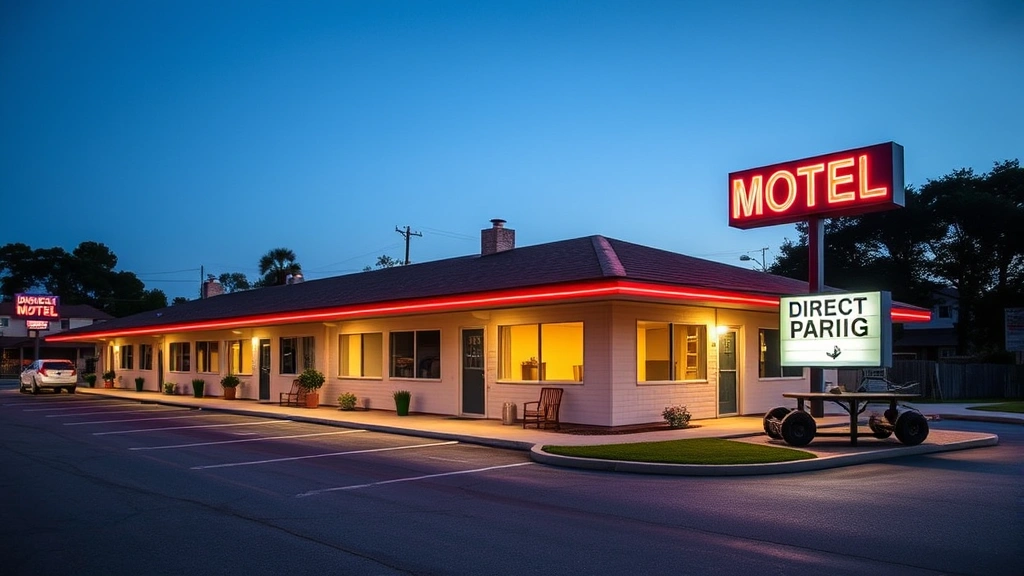
A motel, short for “motor hotel,” is a lodging establishment primarily designed for motorists. Motels typically feature direct access from parking areas to guest rooms, with minimal front-desk services and limited on-site amenities. The concept emerged in the 1920s as automobile travel became increasingly popular, offering travelers a convenient, economical place to rest during long drives. Motels traditionally emphasize accessibility and affordability over luxury, making them ideal for budget-conscious travelers and those seeking straightforward accommodation.
A hotel, by contrast, is a more comprehensive hospitality establishment offering a wider range of services and amenities. Hotels typically feature centralized lobbies, concierge services, dining options, and various recreational facilities. They cater to diverse guest needs, from business travelers requiring conference spaces to tourists seeking entertainment and cultural experiences. Hotels have existed for centuries, evolving from simple inns into sophisticated establishments that define luxury travel experiences. When researching specific hotel options, you might explore Lake Garda Hotels or best hotels in Dublin City to understand the range of hotel offerings available.
Architectural Design and Layout
The physical structure of motels and hotels reflects their distinct purposes and target audiences. Motels typically feature single or two-story buildings arranged in an “L” or linear configuration, with guest rooms directly accessible from outdoor parking areas. This layout eliminates the need for elevators and extensive hallways, reducing operational costs and allowing guests to park directly outside their rooms. The design prioritizes convenience and quick access for travelers who may only stay one or two nights.
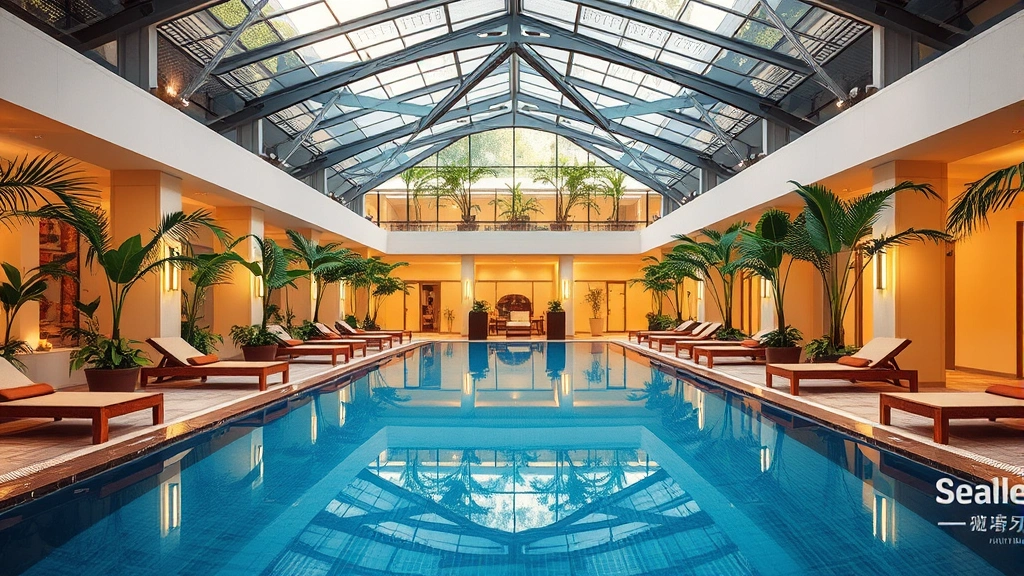
Hotels, conversely, often occupy multi-story buildings with centralized lobby areas serving as the heart of the establishment. Guest rooms are accessed via elevators and interior corridors, creating a more formal, enclosed environment. This architecture accommodates larger guest volumes and allows for better climate control and noise management. Hotels frequently feature grand entrances, spacious lobbies with seating areas, and prominent front-desk stations where staff can provide personalized service. The vertical design maximizes land use efficiency, particularly in urban environments where real estate is expensive.
Amenities and Services
Amenities differ substantially between motels and hotels, directly impacting the guest experience. Motel amenities typically include:
- Basic color television and Wi-Fi access
- Private bathroom with shower or tub
- Simple furnishings and bedding
- Air conditioning and heating
- Limited or no food service
- Outdoor parking directly at room
- Occasional ice and vending machines
Hotel amenities commonly include:
- Multiple television channels, streaming services, and smart TV technology
- High-speed internet and business centers
- On-site restaurants, bars, and room service
- Fitness centers and sometimes spa facilities
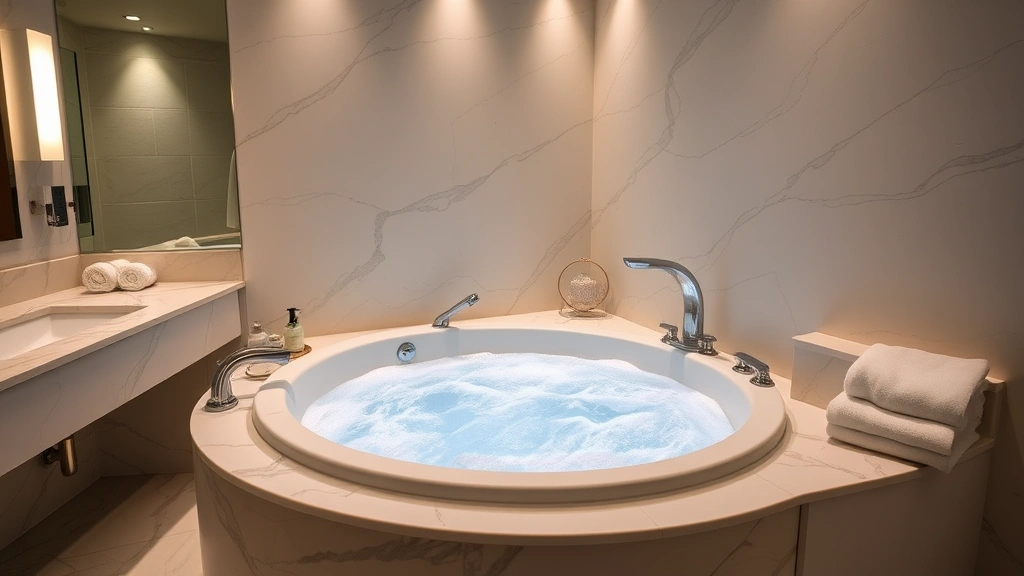
- Swimming pools and hot tubs
- Concierge services and bell desk
- Housekeeping and turndown service
- Conference and meeting spaces
- Laundry services and dry cleaning
- Room safes and premium bedding
The service level also differs markedly. Motels typically operate with minimal staff, offering limited front-desk hours and self-service check-in options. Hotels employ larger staff teams, including concierges, bellhops, housekeeping supervisors, and management personnel dedicated to guest satisfaction. If you’re interested in premium hotel experiences, explore options like 5-star hotels near me to understand the full spectrum of service possibilities.
Cost Comparison
One of the most significant differences between motels and hotels is pricing. Motels generally offer substantially lower nightly rates, typically ranging from $40 to $120 per night depending on location and season. This affordability makes motels attractive for budget travelers, families on tight schedules, and those seeking basic overnight accommodation without unnecessary frills.
Hotels vary dramatically in price based on location, star rating, and amenities. Budget hotels might charge $60 to $150 nightly, while mid-range hotels range from $120 to $250, and luxury hotels can exceed $300 to $500+ per night. Hotels with romantic packages and specialty experiences command premium pricing. Beyond room rates, hotels frequently charge additional fees for parking, resort amenities, and services, while motels typically include parking and charge minimal extra fees.
For cost-conscious travelers planning extended stays, motels offer superior value. However, when considering total costs including meals and activities, hotels’ included amenities might offset higher room rates. The decision depends on your specific travel itinerary and spending priorities.

Guest Experience and Atmosphere
The overall guest experience differs considerably between these accommodation types. Motel stays tend to be transactional and utilitarian—guests check in, use their room, and check out with minimal interaction. This straightforward approach suits travelers who simply need a place to sleep and don’t desire extensive social interaction or elaborate amenities. Many guests appreciate the no-frills atmosphere and appreciate the efficiency of motel operations.
Hotels create more immersive hospitality experiences. Lobbies serve as social hubs where guests can work, relax, or socialize. Staff interactions are more personalized, with front-desk attendants often greeting guests by name and concierges assisting with restaurant reservations, attraction tickets, and local recommendations. This service-oriented environment appeals to travelers seeking convenience, comfort, and assistance with their travel plans. Eco-friendly hotels have further enhanced the hotel experience by adding sustainability elements that appeal to environmentally conscious travelers.
The atmosphere in motels can feel impersonal, though this appeals to many travelers preferring minimal social demands. Hotels cultivate welcoming environments with attention to aesthetic details, music, lighting, and décor that enhance the overall experience. These environmental factors influence guest satisfaction and create memorable stays.
Best Use Cases for Each
Choose a motel when:
- You’re on a road trip requiring brief overnight stops
- Budget is your primary concern
- You need convenient parking directly at your room
- Your stay will be one to two nights maximum
- You prefer minimal interaction with staff
- You’re traveling with pets (many motels are pet-friendly)
- You don’t require extensive amenities
- You’re seeking authentic vintage Americana experiences
Choose a hotel when:
- You’re planning a city vacation or weekend getaway
- You require business facilities and conference spaces
- You want comprehensive dining and entertainment options
- You’re staying multiple nights and want daily housekeeping
- You desire personalized concierge services
- You’re celebrating special occasions requiring premium experiences
- You need fitness facilities and wellness amenities
- You prefer comprehensive safety and security features
- You’re traveling with family and want supervised activities
Quality and Cleanliness Standards
Cleanliness and maintenance standards vary between motels and hotels, though this isn’t universally true. Many well-maintained motels uphold rigorous cleanliness standards, while some hotels may fall short of expectations. However, hotels typically employ larger housekeeping teams with formal training programs and established quality-control procedures. Housekeeping supervisors inspect rooms regularly, and management enforces consistent standards across properties.
Motels, with smaller staff, sometimes struggle to maintain identical cleanliness levels, particularly during peak travel seasons. However, independent motel operators often take personal pride in their properties, resulting in exceptionally clean facilities. When booking either accommodation type, review recent guest reviews focusing on cleanliness comments, as individual property standards vary significantly within both categories.
Industry certifications and ratings provide guidance. Hotels utilize the AAA diamond rating system and star classifications indicating quality levels. Motels lack standardized rating systems, making independent reviews particularly valuable for assessing cleanliness and maintenance quality.
Technology and Modern Updates
Technology adoption differs between accommodation types, though the gap has narrowed considerably. Modern hotels increasingly feature smart room technology including app-controlled lighting, temperature adjustments, and entertainment systems. Mobile check-in, digital key access via smartphone, and AI-powered concierge services are becoming standard at upscale hotels. Hotels invest in advanced security systems, high-speed fiber internet, and business technology supporting remote work.
Motels traditionally lag in technology implementation, but contemporary motels increasingly offer Wi-Fi, online booking systems, and digital check-in options. Budget constraints limit comprehensive technological upgrades, but basic connectivity has become expected at even budget-friendly motels. When considering your accommodation choice, evaluate technology requirements for your specific trip. Business travelers should verify internet quality before booking motels, as speeds may not support video conferencing or large file transfers.
If you need to modify your reservation, understanding the cancellation process is essential. Review how to cancel hotel reservations before booking to understand cancellation policies and potential fees.

FAQ
Are motels cheaper than hotels?
Generally, yes. Motels typically cost $40-$120 per night, while hotels range from $60-$500+ depending on location and amenities. Motels offer superior value for budget travelers seeking basic overnight accommodation.
Is it safe to stay in a motel?
Safety varies by individual property. Research reviews, choose well-maintained facilities, and use standard travel safety practices. Many motels are perfectly safe, though some urban motels have reputations for safety concerns. Read recent guest reviews before booking.
Do motels have daily housekeeping?
Rarely. Motels typically clean rooms between guests but don’t offer daily housekeeping during multi-night stays. Hotels commonly provide daily housekeeping service as standard.
Can I book a motel for a week-long stay?
Yes, though motels are designed for shorter stays. Extended motel stays may qualify for weekly discounts. However, hotels better accommodate week-long stays with daily housekeeping and comprehensive amenities.
What’s the difference in parking between motels and hotels?
Motels offer direct room-to-parking access, typically free. Hotels centralize parking in garages or lots, often charging daily parking fees ($15-$40+ per day in cities).
Do all hotels have restaurants?
Not all, but most hotels offer some food service, from grab-and-go breakfast to full-service restaurants. Motels rarely have on-site dining beyond vending machines.
Which is better for business travel?
Hotels better serve business travelers with business centers, conference rooms, high-speed internet, and professional atmospheres. Motels lack these facilities.
Are motels only found along highways?
Historically yes, but modern motels exist in various locations. Some occupy downtown areas, beach communities, and small towns, though highway locations remain common.