Cool Hotels in Porto: Insider Recommendations for Modern Travelers
Porto, Portugal’s vibrant second city, has emerged as one of Europe’s most sought-after destinations for travelers seeking authentic culture, stunning architecture, and world-class hospitality. Whether you’re planning a romantic getaway, a business trip, or a solo adventure, finding the right accommodation sets the tone for your entire experience. The city’s hotel landscape has evolved dramatically over the past decade, with boutique properties, historic conversions, and contemporary designs now competing alongside traditional establishments to offer visitors unforgettable stays.
This guide explores Porto’s coolest hotels—the properties that combine style, comfort, and strategic location to create memorable experiences. From riverside luxury to artistic urban hideaways, these recommendations cater to different travel styles and budgets while maintaining the distinctive character that makes Porto so appealing. Understanding what makes each property special helps you choose accommodation that aligns with your travel priorities, whether that’s proximity to the Douro River, access to nightlife, or immersion in historic neighborhoods.
Riverside Luxury Hotels with Douro Valley Views
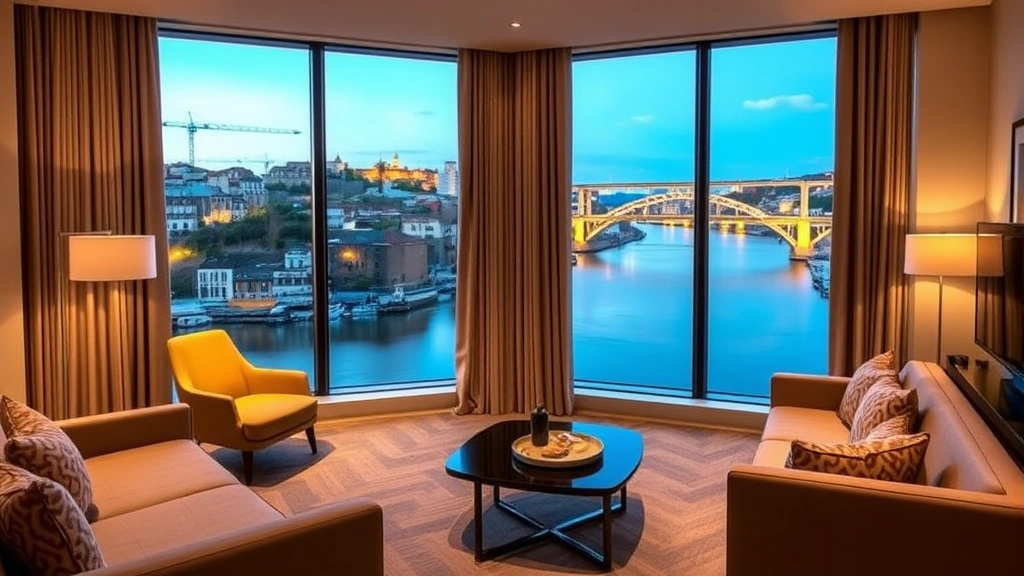
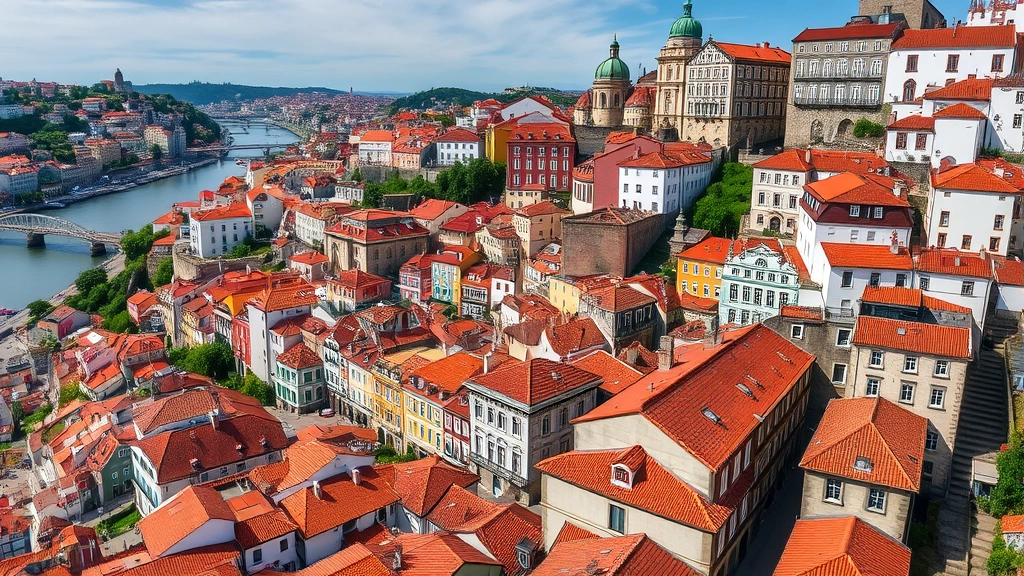
Porto’s relationship with the Douro River defines much of the city’s charm, and the finest luxury hotels capitalize on this geographic advantage. Properties positioned along the riverfront offer guests unparalleled views of the iconic Dom Luís Bridge, the traditional rabelo boats, and the hillside neighborhoods of Vila Nova de Gaia. These establishments typically feature contemporary architecture that respects Porto’s heritage while offering modern amenities that discerning travelers expect.
The Yeatman stands out as a flagship property in this category, perched on the south bank with panoramic vistas that rival any European river destination. The hotel’s spa facilities, Michelin-starred restaurant, and wine-focused programming reflect Porto’s identity as a major wine trade center. Similarly positioned properties offer varying price points and experiences—some emphasize culinary excellence, others focus on wellness and relaxation, while premium options provide personalized concierge services that arrange private tours of historic wine lodges or exclusive access to local artisan communities.
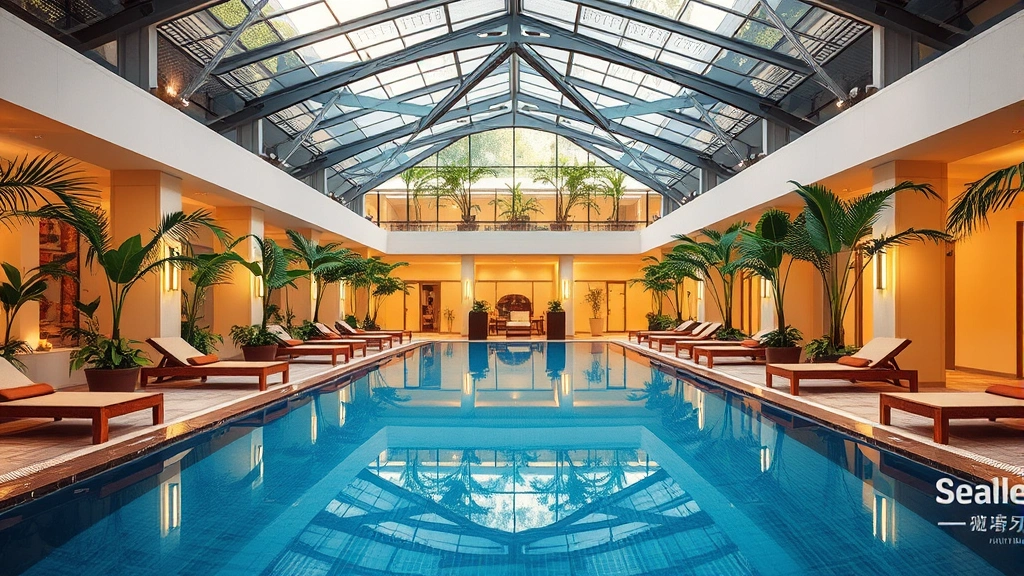
When selecting a riverside hotel, consider whether you prioritize sunset views, proximity to specific attractions, or the quality of in-house dining. Many luxury properties offer hotels with pool facilities that provide refreshing alternatives to river activities. The investment in riverside accommodation typically justifies itself through the experience of watching Porto’s light change throughout the day—golden morning rays illuminating the historic center, afternoon shadows creating dramatic contrasts, and evening lights reflecting off the water.
Boutique and Design Hotels in Porto’s Creative Districts
Porto’s creative renaissance has spawned a generation of independent, design-forward hotels that prioritize aesthetic experience and local authenticity over standardized luxury. These boutique properties often occupy converted warehouses, historic townhouses, or purpose-built structures that reflect contemporary Portuguese design sensibilities. They typically feature curated art collections, locally-sourced furnishings, and staff who genuinely understand the neighborhoods they inhabit.
The Miradouro is emblematic of this approach—a small hotel in the Ribeira district that combines minimalist design with maximum character. Guest rooms feature exposed stone walls, contemporary art, and windows framing river views, while common areas host rotating exhibitions and cultural events. Similar properties throughout the city prioritize storytelling through design, often naming rooms after local artists, historical figures, or neighborhood landmarks. This approach transforms accommodation into cultural immersion rather than mere lodging.
Design hotels in Porto frequently occupy properties that required significant restoration, making them excellent examples of adaptive reuse—converting historic structures for modern purposes. Understanding this context enriches your stay, as many proprietors share fascinating narratives about their buildings’ histories. When researching boutique options, look for properties that showcase local craftsmanship, feature independent restaurants or cafes, and demonstrate commitment to sustainable practices. These establishments often provide insider knowledge about neighborhood restaurants, street art locations, and cultural events that don’t appear in standard guidebooks.
Boutique hotels frequently offer smaller room counts, which means they fill quickly during peak seasons. Booking several months in advance for summer travel or holiday periods ensures access to these exclusive properties. Many also offer special packages combining accommodation with experiences like wine tastings, cooking classes, or guided neighborhood walks—packages that enhance the cultural dimension of your Porto visit.
Historic Property Conversions: Living in Porto’s Past
Some of Porto’s most compelling hotels occupy buildings with significant historical narratives—former monasteries, merchant houses, royal estates, or industrial complexes transformed into contemporary hospitality spaces. These conversions represent major investments in cultural preservation while creating unique guest experiences impossible to replicate in purpose-built hotels.
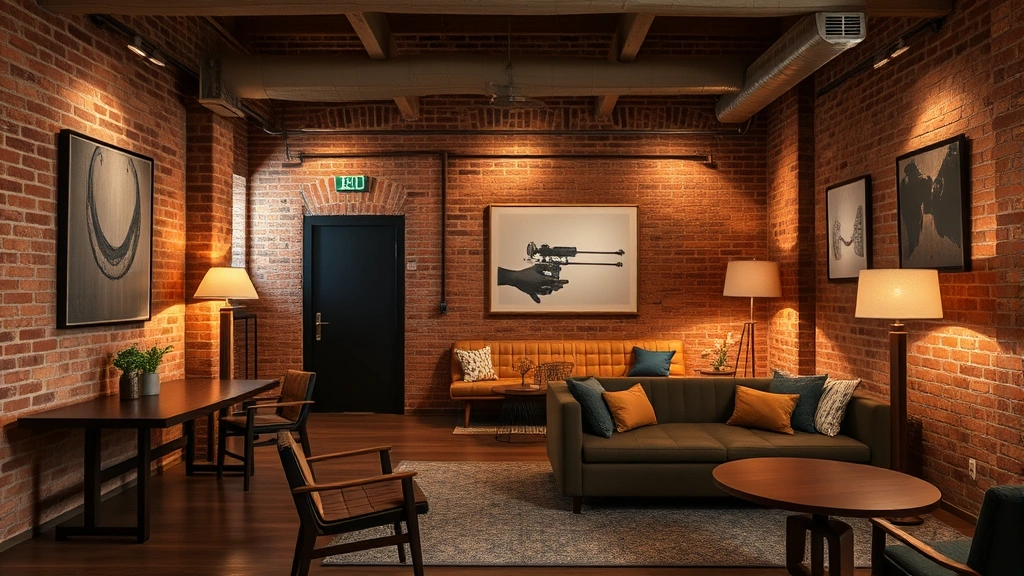
The Memmo Alfândega Hotel exemplifies this category, occupying a 19th-century customs house building that commanded strategic importance in Porto’s port commerce. The conversion respected architectural integrity—exposed brick, original wooden beams, period details—while introducing modern comfort systems and contemporary design elements. Staying in such properties connects you tangibly to Porto’s mercantile history, particularly significant given the city’s identity as a major trading hub for centuries.
Other historic conversions include properties in former palaces, noble residences, or religious buildings, each with distinct historical significance. When selecting such properties, research the building’s original purpose and architectural period—this context transforms your stay from simple accommodation into historical education. Many historic hotel properties employ archivists or historians on staff who offer guided building tours, explaining restoration decisions, architectural details, and historical significance.
These conversions typically present practical considerations worth understanding: historic buildings may have irregular room sizes and configurations, some floors might lack elevators, and restoration requirements sometimes mean limited amenities compared to purpose-built hotels. However, guests who prioritize authenticity and historical connection find these limitations insignificant compared to the privilege of inhabiting genuinely historic spaces. Historic hotels often feature distinctive common areas—grand staircases, period salons, original fireplaces—that provide atmospheric gathering spaces unavailable in modern properties.
Neighborhood-Specific Recommendations and Strategic Location Considerations
Porto’s geography divides the city into distinct neighborhoods, each with particular character, attractions, and hospitality options. Strategic hotel selection based on neighborhood priorities significantly impacts your daily experience and accessibility to activities you prioritize.
Ribeira District Hotels: The historic center’s atmospheric warren of medieval streets contains numerous small hotels, pousadas, and guesthouses. Properties here position you within walking distance of major attractions—Livraria Lello bookstore, Torre dos Clérigos, riverside plazas—but also mean navigating steep cobblestone streets and potentially dealing with nightlife noise. Ribeira hotels range from budget hostels to upscale boutique properties, offering options across all price points. The neighborhood’s pedestrian-only character creates distinctive ambiance but requires comfort with limited vehicle access.
Miragaia and Riverside Properties: Adjacent to Ribeira but with slightly more modern infrastructure, Miragaia offers riverside hotels with better accessibility while maintaining historic neighborhood character. These properties often occupy converted warehouses and provide excellent restaurant and bar access. This neighborhood suits travelers seeking cultural immersion balanced with contemporary convenience.
Cedofeita and Cultural Districts: Moving inland from the river, neighborhoods like Cedofeita concentrate creative businesses, contemporary galleries, independent restaurants, and design hotels. These areas appeal to travelers prioritizing cultural experiences, nightlife, and culinary exploration over riverside scenery. Hotels here typically cost less than riverside properties while offering excellent neighborhood walkability and access to Porto’s contemporary art scene.
Vila Nova de Gaia: The south bank district famous for port wine lodges contains luxury hotels and wine-focused properties. This neighborhood suits wine enthusiasts and travelers seeking slightly quieter, more upscale environments. Proximity to lodge tours and wine bars makes this area ideal for oenophiles. The neighborhood’s separation from the historic center by the Douro River means slightly less walkability to downtown attractions but superior access to wine experiences.
Consider your travel priorities when selecting neighborhoods: proximity to specific attractions, desired activity level, cultural immersion preferences, and budget constraints all influence optimal neighborhood selection. First-time visitors often prefer Ribeira or Miragaia for central location and atmospheric character. Returning visitors frequently explore Cedofeita, Santo Ildefonso, or Massarelos for less-touristed experiences. Wine-focused travelers gravitate toward Vila Nova de Gaia’s lodge concentration.
Practical Booking Considerations and Guest Safety
Successfully booking Porto accommodations requires understanding seasonal variations, advance reservation strategies, and practical guest considerations. Porto experiences distinct tourism seasons with significant price fluctuations and availability variations.
Seasonal Considerations: Summer months (June-August) represent peak season with highest prices and most crowded conditions. Spring (April-May) and fall (September-October) offer ideal weather with moderate crowds and reasonable rates. Winter provides budget travelers with significant discounts, though some smaller properties may close. December brings holiday travelers and special programming. Understanding seasonal patterns helps align your travel dates with both budget constraints and preferred crowd levels.
Advance Booking Strategy: Popular boutique and design hotels often book 3-6 months in advance during peak seasons. Booking early secures preferred properties but requires firm travel dates. Last-minute bookings offer potential discounts, particularly for larger chain properties, but limit selection, especially for distinctive boutique options. Mid-range booking (4-8 weeks advance) typically balances selection and pricing advantages.
Before confirming reservations, review hotel room safety tips to understand essential security practices during your stay. Porto maintains excellent safety standards, but applying fundamental precautions—securing valuables, understanding emergency exits, verifying door locks—protects your peace of mind. Additionally, understanding essential hotel room cleaning practices ensures hygienic conditions in shared accommodations.
Accessibility and Mobility Considerations: Porto’s historic neighborhoods feature narrow streets, steep grades, and numerous stairs. Travelers with mobility limitations should specifically research hotel accessibility features, inquire about ground-floor room availability, and confirm elevator access. Modern hotels typically offer superior accessibility compared to historic conversions. Clear communication with hotel management about specific needs enables advance preparations—arranging accessible parking, confirming room locations, ensuring mobility assistance availability.
Transportation and Location Value: While staying in central neighborhoods provides walkability for many attractions, accessing some experiences requires transportation. Consider whether your hotel location provides convenient public transit access, proximity to taxi services, or availability of ride-sharing applications. Some hotels offer shuttle services or can arrange private transportation. Understanding transportation logistics prevents frustrating delays when accessing experiences outside immediate walking distance.
Many travelers find value in booking hotels near specific attractions matching their interests. If you’re attending events at major venues, researching hotels near major sports venues demonstrates how venue proximity influences accommodation selection for event-focused travel. While Porto’s specific venues differ from those examples, the principle of strategic location matching applies universally. Similarly, exploring hotels near stadiums and event centers and hotels near major fieldhouses illustrates how event attendance influences hotel selection strategy.
Booking Platforms and Direct Reservation Advantages: While major booking platforms offer convenience and price comparison, directly contacting hotels often provides advantages—negotiated rates for longer stays, room upgrade possibilities, personalized service arrangements, and flexibility on cancellation policies. Many boutique hotels prefer direct bookings, offering better rates than platform listings. Building direct relationships with smaller properties often yields superior guest experiences and insider recommendations.
Traveler Reviews and Credibility Assessment: Online reviews provide valuable information but require critical assessment. Recent reviews from travelers with similar priorities carry more weight than older reviews. Professional critics’ assessments, travel publication features, and award recognitions indicate consistent quality. However, remember that reviews reflect individual experiences—personal preferences about noise levels, room sizes, or service styles vary considerably. Reading 10-15 recent reviews provides better perspective than relying on average ratings.
Frequently Asked Questions
What’s the best neighborhood for first-time Porto visitors?
Ribeira and Miragaia offer optimal first-visit experiences, combining historic atmosphere, walkable access to major attractions, riverside scenery, and excellent restaurant/bar concentration. While these neighborhoods attract more tourists, their central location and cultural richness justify the popularity. Returning visitors can explore less-touristed neighborhoods like Cedofeita or Massarelos.
How far in advance should I book Porto hotels?
For peak season (June-August), booking 3-6 months ahead secures preferred properties. For shoulder seasons (April-May, September-October), 6-8 weeks advance provides good selection. Winter travel can often be booked 4-6 weeks ahead with significant availability. Last-minute bookings work for budget-focused travelers flexible about property type but limit selection for distinctive boutique hotels.
Are Porto’s historic hotels comfortable despite their age?
Modern historic conversions combine authentic architecture with contemporary comfort systems—quality mattresses, modern bathrooms, climate control, high-speed internet. However, historic buildings sometimes have irregular room sizes, limited soundproofing, and fewer amenities than purpose-built hotels. Guests prioritizing authenticity typically find these tradeoffs worthwhile; those requiring standardized modern comfort should select contemporary properties.
What’s a realistic budget for Porto accommodations?
Budget options range from €40-80 per night for hostels and basic guesthouses. Mid-range hotels cost €80-150 nightly. Boutique and design hotels typically run €120-200 per night. Luxury riverside properties exceed €200 nightly. Prices fluctuate significantly by season, with summer rates often 50-100% higher than winter pricing.
Can I visit Porto wine lodges easily from downtown hotels?
Yes—Vila Nova de Gaia’s wine lodges are directly across the Douro River, accessible via bridges, boats, or brief walks. Downtown hotels can arrange lodge tours, or you can independently visit during posted hours. Most lodges offer tastings and tours throughout the day. Staying in Vila Nova de Gaia provides closer proximity to lodges but slightly less convenient access to downtown attractions.
Which hotels offer the best views in Porto?
Riverside hotels throughout Ribeira and Miragaia offer river and bridge views, with The Yeatman providing the most dramatic panoramic vistas from Vila Nova de Gaia’s elevated position. Many boutique hotels in historic neighborhoods feature views of cityscape, tilework, and architectural details rather than river views. View preferences depend on whether you prioritize river scenery, architectural perspectives, or cityscape panoramas.
External Resources for Porto Travel Planning: