Check-In Tips for Hotels: Insider Advice for Smart Arrivals
Arriving at the hotel marks the beginning of your stay, and how you handle this crucial moment can set the tone for your entire experience. Whether you’re a frequent business traveler or planning a leisurely vacation, knowing how to arrive at the hotel prepared and informed will help you avoid common pitfalls, secure better accommodations, and maximize your comfort. Hotel check-in procedures may seem straightforward, but there are numerous insider strategies that can enhance your arrival experience, save you money, and ensure you get the room you actually booked.
The process of checking into a hotel extends far beyond simply handing over your credit card and receiving a key card. It involves understanding hotel policies, timing your arrival strategically, knowing what to inspect upon entering your room, and advocating for yourself when issues arise. This comprehensive guide reveals professional tips that hotel staff use daily and shares secrets that savvy travelers employ to guarantee a smooth, comfortable stay from the moment they cross the hotel lobby threshold.
Timing Your Arrival Strategically
The time you choose to arrive at the hotel can dramatically impact your check-in experience and room availability. Standard check-in time at most hotels is 3:00 or 4:00 PM, but arriving earlier or later than this window requires strategic planning. If you arrive at the hotel before official check-in time, don’t be discouraged—front desk staff often accommodate early arrivals depending on occupancy levels and housekeeping schedules. Mid-morning arrivals (between 10:00 AM and noon) typically offer the best chances for early room access, as housekeeping teams are often completing their morning work.
Conversely, arriving during peak check-in hours (4:00 PM to 7:00 PM) means competing with numerous other guests for front desk attention, which can result in longer wait times and limited room selections if you’re flexible. Late-night arrivals, while sometimes inconvenient, occasionally work in your favor—hotels with low occupancy rates may offer complimentary room upgrades to late arrivals as a gesture of goodwill. Planning your arrival time also affects your ability to explore the property, visit the concierge for local recommendations, or take advantage of hotel amenities before dinner or evening activities.
When you book your reservation, note the standard check-in time and plan accordingly. If you know you’ll arrive early, contact the hotel 24-48 hours before your stay to request early check-in availability. Many hotels will accommodate this request at no additional charge, especially if they have rooms ready. Conversely, if you’re arriving late, notify the hotel in advance so they hold your reservation and don’t release your room to the next guest. This simple communication prevents the frustration of arriving to find your booking cancelled or your preferred room reassigned.
Pre-Arrival Preparation and Communication
Successful hotel check-ins begin long before you arrive at the hotel. Start by reviewing your booking confirmation carefully, verifying the dates, room type, and any special requests you made during reservation. Check whether your rate includes breakfast, parking, or resort fees—these details matter significantly when you arrive at the front desk. If you booked through a third-party platform, confirm that your reservation appears in the hotel’s system by calling directly or using the hotel’s website to verify your booking.
Prepare all necessary documents before arrival. Bring a valid government-issued ID (passport, driver’s license, or national ID card), a major credit card for incidental charges, and any loyalty program membership cards. If you’ve made special requests—such as a high floor, late checkout, or accommodation for accessibility needs—document these clearly in your reservation notes and mention them again when you call the hotel before arrival. Hotels are far more likely to honor special requests when they receive advance notice rather than hearing about them for the first time at check-in.
Consider sending an email to the hotel’s front desk or general manager outlining any specific needs or preferences. If you’re celebrating a special occasion, have mobility concerns, prefer certain pillow types, or need a quiet room away from elevators, communicating these details in advance increases the likelihood of accommodation. Many hotels maintain notes on guest preferences, and your advance communication becomes part of your profile, potentially benefiting future stays as well.
Navigating the Front Desk Process
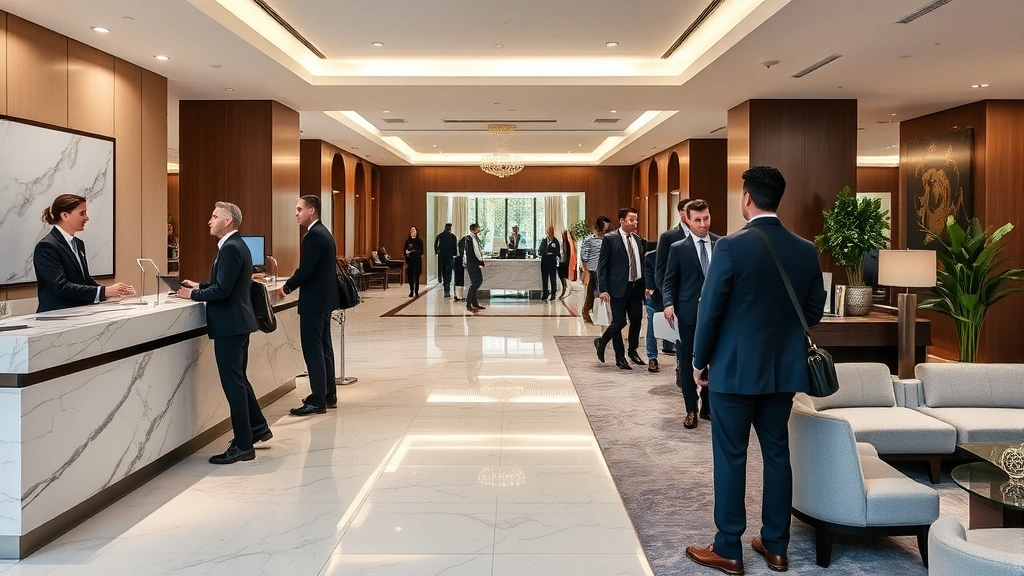
When you arrive at the hotel and approach the front desk, present your ID and credit card proactively—this speeds up the check-in process significantly. The front desk agent will verify your reservation, confirm room type and rate, and explain any applicable fees. This is the ideal moment to mention special requests, accessibility needs, or room preferences that weren’t captured in your original booking. Polite, specific requests at check-in carry considerable weight; asking for “a quiet room away from the elevator” is far more effective than hoping housekeeping assigned you appropriately.
Understand what information the front desk needs from you and what you should ask from them. They’ll need to verify your identity, confirm your payment method, and explain check-out procedures and any facility rules. You should ask about parking arrangements, WiFi passwords, breakfast times and locations, front desk hours, emergency procedures, and how to reach housekeeping or maintenance if needed. Don’t hesitate to ask for a property map if the hotel is large—knowing where to find the gym, pool, business center, and ice machines saves time and frustration later.
When the front desk presents your key card, examine it to ensure it’s programmed correctly before leaving the desk. Ask about the room number and floor location. If you requested a specific room type or location and the assignment doesn’t match your request, address this immediately while the front desk has options available. Once you leave the desk and discover issues, changing rooms becomes significantly more complicated. This is also the moment to confirm any special pricing, points, or loyalty benefits that should apply to your stay.
Room Inspection Essentials
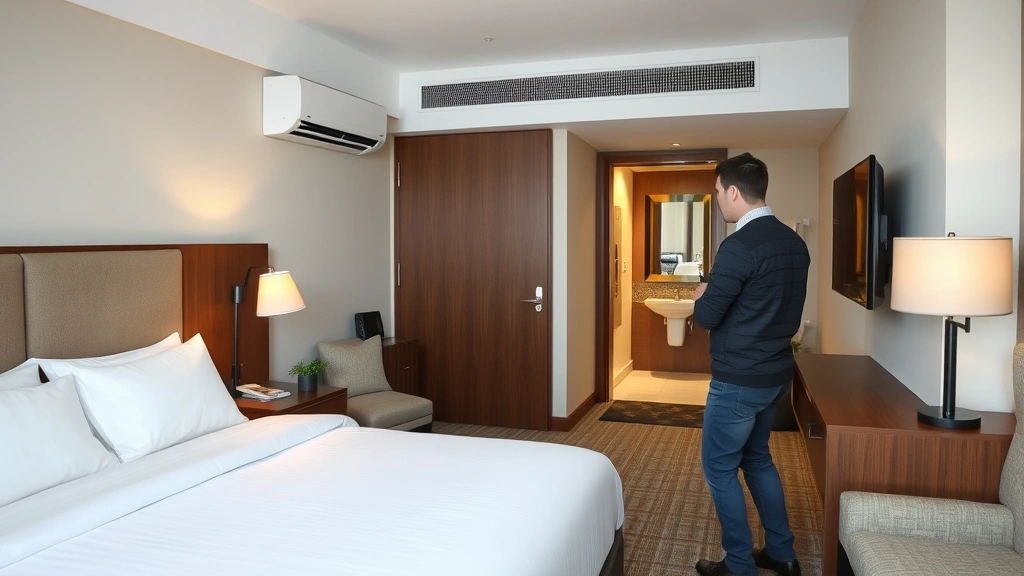
The moment you enter your hotel room, conduct a thorough inspection before unpacking or settling in. This practice protects you from being charged for pre-existing damage and ensures you identify maintenance issues that need addressing. Start by checking the room for cleanliness—inspect the bed for stains, check that the bathroom is clean and stocked with appropriate supplies, and verify that all surfaces have been properly cleaned. If you notice dirt, debris, or maintenance issues, contact the front desk immediately and request a room change or housekeeping service.
Test all essential systems: turn on lights throughout the room, check that air conditioning and heating function properly, test the shower to ensure adequate water pressure and temperature control, and verify that the television and remote controls work. Check that all windows and doors lock securely—security is paramount. Examine the condition of furniture, looking for stains, tears, or damage. If the room has a safe, test that it operates correctly. Check that the phone works and that you understand how to dial out and reach the front desk.
Photograph or document any existing damage, stains, or maintenance issues using your phone’s camera. This creates a timestamped record that protects you if the hotel attempts to charge you for damage you didn’t cause. Many hotels now use digital inspection systems, but personal documentation adds an extra layer of protection. If you discover significant issues—such as broken furniture, non-functional air conditioning, or pest evidence—contact the front desk immediately rather than attempting to tolerate substandard conditions.
Familiarize yourself with the room’s layout and safety features. Locate the emergency exits, fire extinguisher, and emergency phone numbers posted on the room’s information card or door. Understand how to operate blackout curtains or shades to control light. Know where to find the thermostat and how to adjust temperature settings. These small actions take only minutes but significantly enhance your comfort and safety throughout your stay.
Understanding Hotel Amenities and Services
Different hotels offer varying amenities and services, and understanding what’s included in your stay versus what carries additional charges prevents unwelcome surprises when you check out. Review the welcome materials placed in your room, which typically include information about gym access, pool hours, business center availability, and any complimentary services. If your room includes a minibar, understand the pricing structure—many hotels charge substantial markups for convenience items, and some charge simply for removing items regardless of whether you consume them.
Clarify parking arrangements and costs. Some hotels include parking in your room rate, while others charge daily parking fees that can exceed $30 per night in major cities. Understand whether parking is valet-only, self-parking, or both, and know where to access your vehicle. If you’re staying at a 5-star hotel near you, amenities are typically more extensive and may include concierge services, premium toiletries, and additional perks. Budget hotel stays offer fewer amenities but may still provide essential services like WiFi and fitness facilities.
Ask about breakfast arrangements. If your rate includes breakfast, confirm the serving times and location. Some hotels offer grab-and-go breakfast options, while others provide full buffets. Understanding breakfast logistics helps you plan your morning efficiently. If your rate doesn’t include breakfast but you’re interested in dining options, ask the front desk for recommendations. They often have insider knowledge about nearby restaurants and may provide discount cards or coupons for local establishments.
Inquire about loyalty program benefits if you’re a member of the hotel’s rewards program. These benefits might include room upgrades, late checkout, complimentary breakfast, or additional points. Sometimes benefits aren’t automatically applied during check-in, and mentioning your membership status ensures you receive entitled perks. If you frequently stay at hotels with indoor pools or other specific amenities, understanding which properties offer these features helps you make informed booking decisions for future stays.
Special Requests and Upgrades
Politely requesting room upgrades during check-in is a standard practice, and hotel staff often accommodate these requests when availability permits. The key is understanding how and when to make these requests. Never demand an upgrade or frame it as an entitlement; instead, politely ask whether the hotel has availability for a better room type at the rate you booked. Mentioning that you’re celebrating a special occasion, staying with family, or are a frequent guest can increase the likelihood of consideration, but upgrades are never guaranteed.
Loyalty program members and guests arriving during low-occupancy periods have better chances of receiving complimentary upgrades. If you’re willing to pay additional fees, asking about available suites or premium room types gives you the option to enhance your experience. Many hotels offer modest upgrade fees that provide significantly better accommodations than your original booking. Timing matters—arriving during quiet periods (weekday mornings or late nights) increases upgrade availability compared to arriving during peak times.
Special requests beyond room selection should be made clearly and specifically. If you need a room with a kitchenette for extended stays, mention this during check-in or when making your reservation. Some properties offer hotels with kitchenettes near you, which provide more flexibility for longer stays. If you require accessible accommodations, need a non-smoking room on a specific floor, or prefer a particular bed configuration, communicate these needs explicitly. Hotels maintain various room types, and your specific needs help them assign the most appropriate accommodation.
Technology and Digital Check-In Options
Modern hotels increasingly offer digital check-in options that allow you to complete paperwork, verify your reservation, and potentially receive a digital key before you arrive at the hotel. Many hotel apps and websites now provide mobile check-in functionality, enabling you to skip the front desk entirely if you prefer. Digital check-in reduces wait times, especially during busy periods, and allows you to begin your stay more efficiently. However, always have a backup plan—if digital systems experience technical issues, you’ll still need to check in traditionally at the front desk.
Mobile key technology, available through major hotel apps and Apple Wallet, allows you to unlock your room using your smartphone instead of a physical key card. This technology proves especially convenient if you lose your key card or prefer not to carry it. Ensure your phone has adequate battery life when using digital keys, and understand the backup procedures if your phone malfunctions. Some hotels still require physical key cards for certain amenities or areas, so confirm what access your digital key provides.
When you arrive at the hotel with digital check-in completed, you may still need to visit the front desk briefly to confirm any special requests, ask questions about amenities, or address issues. Digital check-in streamlines the process but doesn’t necessarily eliminate all front desk interaction. Familiarize yourself with your hotel’s specific technology options before arrival so you understand which steps you’ve already completed and what remains necessary.
Security and Safety Considerations
Your safety and security begin the moment you arrive at the hotel. Be aware of your surroundings when entering the property, and trust your instincts about whether an area feels safe. When you arrive at the hotel, especially during late-night hours, consider asking front desk staff to escort you to your room if you feel unsafe walking alone through corridors. Most hotels provide this service without hesitation, and staff members understand that guest security is paramount.
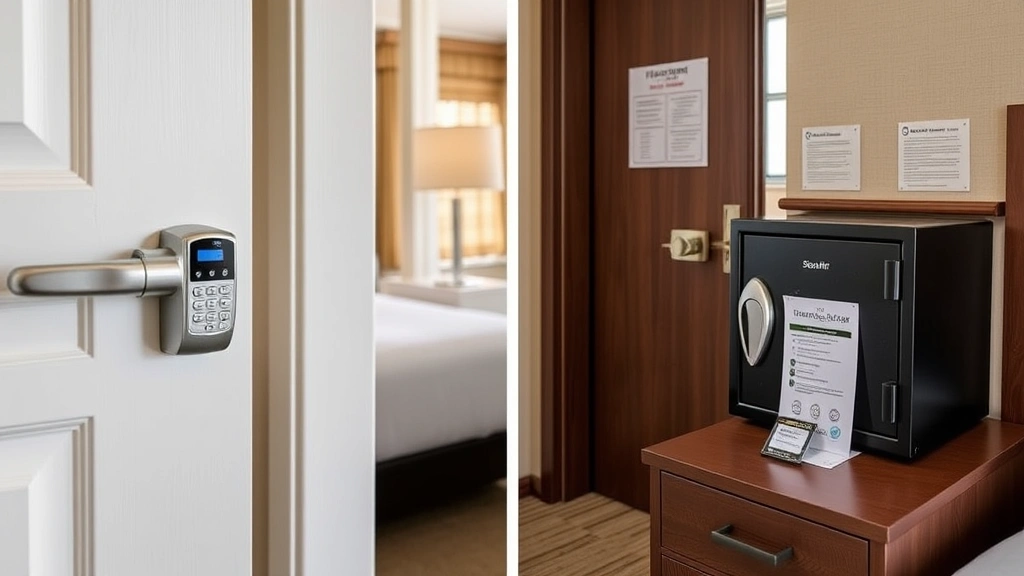
Once in your room, engage all available locks—deadbolt, chain lock, and door latch. Use the “do not disturb” sign when you’re in the room, and remember that housekeeping typically respects this indicator. When you’re away from your room, lock all windows and doors, and don’t leave valuables visible on surfaces. Use the in-room safe for passports, extra cash, and jewelry. Many hotels now offer digital safes that operate via keypad or mobile app, providing secure storage without requiring you to remember a combination.
Be cautious about who you allow into your room. If someone claims to be hotel staff, verify their identity by calling the front desk before opening your door. Legitimate hotel employees carry identification badges and will understand your caution. Never prop open exterior doors or stairwell doors, as this compromises building security. When you check out, ensure you haven’t left valuables behind, and verify that your door locks properly as you depart.
If you’re staying at properties with beach access or other resort amenities, understand the security protocols for accessing these areas. Some hotels require key card access to pools and beaches, while others have open access. Knowing these details helps you navigate the property safely and understand where you should and shouldn’t venture alone, particularly during evening hours.
Making the Most of Your Stay
After successfully checking in, take time to explore the property and understand its layout. Locate the gym if you plan to exercise, find the business center if you need to work, and identify dining options. If you’re staying at a hotel with free breakfast, visit the breakfast area to understand the setup and timing. For guests interested in relaxation, familiarizing yourself with pool hotel amenities near you helps you plan leisurely activities during your stay.
Build a positive relationship with front desk staff by greeting them courteously and treating them respectfully. These team members can provide invaluable local recommendations, assist with reservations, arrange transportation, and help resolve issues that may arise. Their goodwill and helpfulness often depend on how you interact with them. If you need assistance with anything during your stay, the front desk serves as your primary resource.
Keep your key card in a safe place and avoid leaving it on surfaces where housekeeping or other guests might find it. When you leave your room, take your key card with you—never leave it at the front desk unless you’re checking out. If you lose your key card, return to the front desk immediately for a replacement. Most hotels reprogram lost cards to the same room, but some require additional verification before issuing replacements.
FAQ
What should I do if I arrive at the hotel before standard check-in time?
Contact the hotel 24-48 hours before arrival to request early check-in. If rooms are available and housekeeping has completed turnover, hotels often accommodate early arrivals at no additional charge. If early check-in isn’t available, most hotels offer luggage storage so you can explore the area while your room is being prepared. Arriving between 10:00 AM and noon offers the best chances for early room access.
How can I increase my chances of receiving a room upgrade?
Politely ask at check-in whether better room types are available at your booked rate. Loyalty program membership, celebrating special occasions, and arriving during low-occupancy periods increase upgrade likelihood. Treat front desk staff respectfully and avoid demanding upgrades. If you’re willing to pay additional fees, ask about premium room availability. Upgrades are never guaranteed, but courteous requests often succeed when rooms are available.
What should I inspect immediately upon entering my hotel room?
Check cleanliness, test all systems (lights, AC, heating, shower, TV), verify that doors and windows lock securely, examine furniture for damage, and look for any maintenance issues. Document existing damage with photos before unpacking. Test the phone, safe, and any other amenities. If you discover significant problems, contact the front desk immediately rather than attempting to tolerate substandard conditions.
Are digital check-in options secure and reliable?
Digital check-in is generally secure and convenient, but always have a backup plan. Mobile keys through hotel apps and Apple Wallet provide convenient access, but ensure your phone has adequate battery. If digital systems malfunction, you’ll need traditional check-in at the front desk. Digital check-in streamlines the process but doesn’t eliminate all front desk interaction, especially for special requests or questions.
What documents and payment methods should I bring when checking in?
Bring a valid government-issued ID (passport or driver’s license), a major credit card for incidental charges, and any loyalty program membership cards. Some hotels accept debit cards, but credit cards provide better fraud protection. Verify that your ID matches the name on your reservation to avoid check-in complications. Having multiple payment methods available provides backup options if one card encounters issues.
How can I ensure my hotel room is secure during my stay?
Engage all available locks (deadbolt, chain, latch) when you’re in the room. Use the “do not disturb” sign to discourage unwanted entry. When away, lock all windows and doors, and use the in-room safe for valuables. Verify the identity of anyone claiming to be hotel staff before opening your door. Don’t prop open exterior doors or stairwells. When leaving, ensure your door locks properly and check that you haven’t left belongings behind.
What’s the best way to request special accommodations during check-in?
Communicate special needs in advance by including them in your reservation notes and calling the hotel before arrival. Make specific requests at check-in, such as “a quiet room away from the elevator” rather than vague preferences. Be clear about accessibility needs, bed preferences, or other requirements. Hotels maintain various room types and appreciate specific information that helps them assign appropriate accommodations. Advance notice significantly increases the likelihood of accommodation.
Should I tip the front desk staff when checking in?
Tipping at check-in isn’t standard practice, but tipping is appropriate if front desk staff go above and beyond—such as securing a room upgrade, providing exceptional local recommendations, or resolving significant issues. Tipping luggage assistance, housekeeping, and concierge services is customary. If you plan to request additional assistance during your stay, a small tip to front desk staff can encourage helpful service throughout your visit.