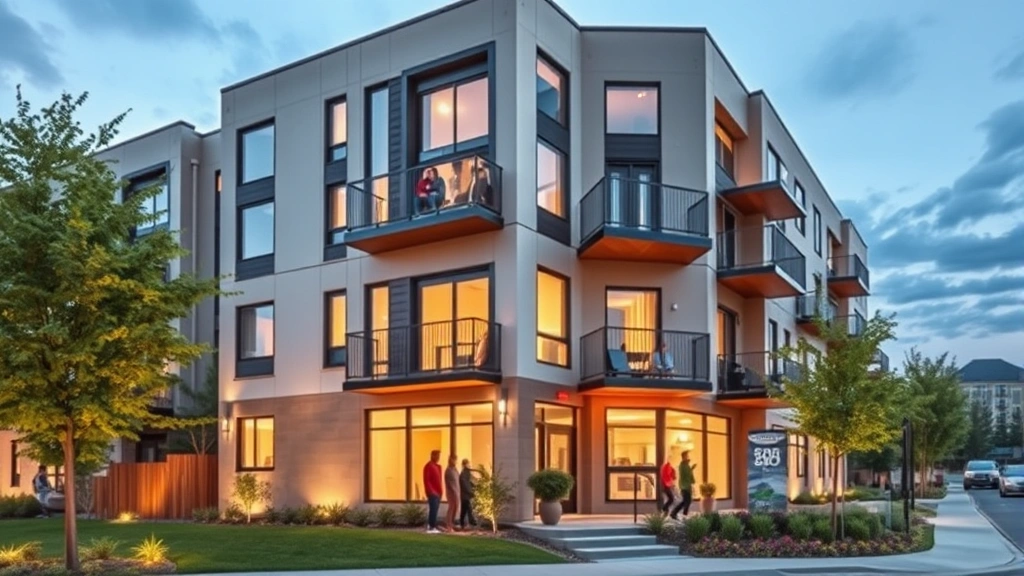
Affordable Housing Options: Latest 2023 Data and Practical Solutions
The affordable housing crisis continues to shape the American landscape in 2023, with families and individuals facing unprecedented challenges in securing safe, stable homes. According to the U.S. Department of Housing and Urban Development, over 1.6 million households are experiencing homelessness, while millions more spend more than 30% of their income on housing costs. Understanding the current state of affordable housing options, supported by the latest data, is essential for renters, first-time homebuyers, and policymakers seeking sustainable solutions.
This comprehensive guide explores the 2023 affordable housing landscape, examining government programs, innovative housing models, and practical strategies for finding quality housing within budget constraints. Whether you’re searching for your first apartment, considering alternative housing arrangements, or seeking to understand housing policy, this resource provides actionable insights backed by current statistics and expert analysis.

2023 Affordable Housing Statistics and Market Overview
The latest data reveals a complex housing market where affordability challenges persist across regions and demographics. The National Low Income Housing Coalition reports that in 2023, there is a shortage of 7.3 million affordable and available rental homes for extremely low-income renters. This gap has widened significantly since pre-pandemic years, creating barriers for vulnerable populations.
Median rent prices have climbed substantially, with the average two-bedroom apartment now exceeding $1,400 monthly in many metropolitan areas. Simultaneously, wages have not kept pace with housing cost increases, creating a widening affordability gap. The National Association of Realtors indicates that homeownership affordability has declined dramatically, with mortgage payments consuming record portions of household budgets.
State-by-state variations are substantial. California, New York, and Massachusetts face particularly acute shortages, while smaller metropolitan areas and rural regions offer more accessible options. However, rural areas often lack public transportation and job opportunities, presenting different challenges for residents seeking affordable housing.
Government Programs and Subsidies
Federal and state governments offer numerous programs designed to increase housing affordability. The U.S. Department of Housing and Urban Development administers several key initiatives that provide direct assistance to eligible households.
Section 8 Housing Choice Vouchers remain the largest federal rental assistance program. These vouchers allow low-income families to rent from private landlords, with the government subsidizing the difference between 30% of household income and the actual rent. In 2023, over 2.3 million families benefit from this program, though waiting lists in many jurisdictions exceed five years.
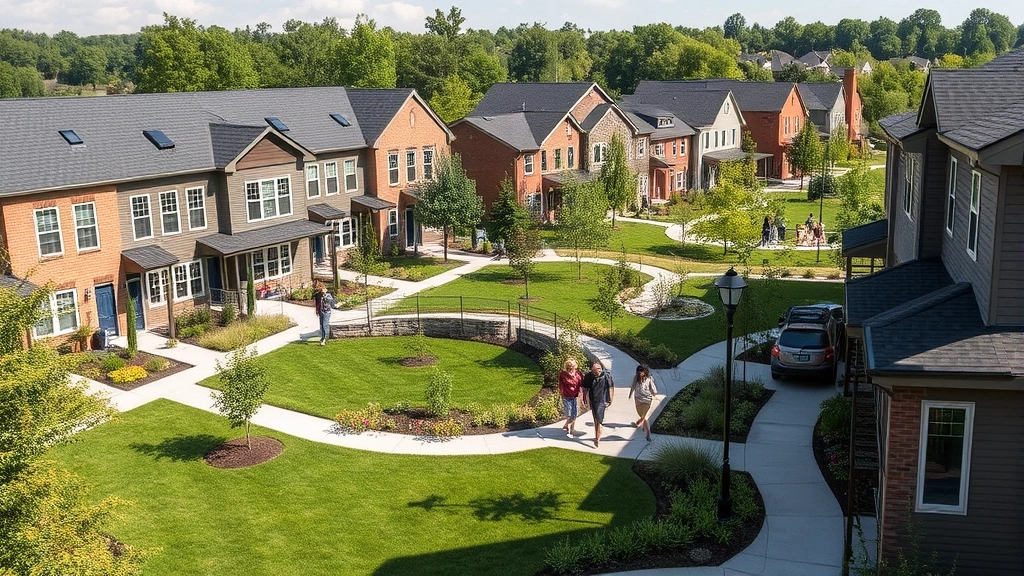
Public Housing provides another option, though it represents a smaller portion of the affordable housing stock. Modern public housing developments increasingly incorporate mixed-income communities and improved design standards. Many public housing authorities now offer housing options with multiple bedroom configurations to accommodate diverse family sizes.
Low-Income Housing Tax Credits (LIHTC) incentivize private developers to construct affordable rental properties. Since 1987, this program has funded over 3.5 million affordable homes. The 2023 data shows continued investment in LIHTC properties, with projects increasingly incorporating sustainability features and community amenities.
State and local housing finance agencies provide additional resources. Many states offer down payment assistance programs, affordable mortgage products, and rental assistance. Contact your state’s housing finance agency for programs specific to your region.
Emergency Rental Assistance Programs, expanded during the pandemic, continue providing relief in 2023. These programs help renters facing eviction or unable to pay rent due to economic hardship. Eligibility varies by location, but most programs prioritize households earning under 80% of area median income.
Alternative Housing Models
Beyond traditional rental and homeownership, innovative housing models are expanding options for cost-conscious residents. Understanding these alternatives can provide creative solutions for your housing needs.
Co-housing Communities combine private residences with shared common spaces and resources. Residents benefit from reduced individual expenses while maintaining privacy. These communities often emphasize sustainability and social connection, creating supportive environments particularly valuable for seniors and families.
Accessory Dwelling Units (ADUs) have gained prominence in 2023 as zoning restrictions ease across many municipalities. Homeowners can create additional housing on their properties, generating rental income while increasing housing supply. Some programs provide subsidies or favorable loans for ADU construction, particularly in high-cost areas.
Mobile Home Parks and Manufactured Housing offer significantly lower costs than traditional housing. While quality varies considerably, newer manufactured homes meet modern building standards and can provide permanent, stable housing. Some communities offer cooperative ownership models where residents collectively own the land.
Shared Housing Arrangements reduce per-person costs through roommate situations or multi-generational households. While not ideal long-term for all, shared housing provides immediate affordability solutions. Organizations specializing in shared housing matching can help find compatible housemates.
Comparing different housing types is crucial when evaluating options. Just as understanding the differences between hotels and motels helps travelers make informed decisions, understanding housing model distinctions helps prospective residents select appropriate solutions.
Finding Affordable Housing: Practical Strategies
Successfully navigating the affordable housing market requires strategic planning and persistence. These practical approaches increase your chances of securing suitable, affordable housing.
Utilize Online Housing Platforms: Websites like Zillow, Apartments.com, and Craigslist list thousands of affordable properties. Use filters to narrow searches by price, location, and amenities. Many platforms now include affordability certifications and subsidy information.
Contact Local Housing Authorities: Public housing agencies maintain waiting lists for affordable programs. Apply early, as wait times can be substantial. Many agencies now provide online applications and status tracking.
Explore Nonprofit Housing Resources: Organizations like National Fair Housing Alliance and local community development corporations offer affordable housing inventory and counseling services. These organizations often have properties not listed on mainstream platforms.
Consider Location Flexibility: Expanding your geographic search can reveal more affordable options. Properties slightly outside central business districts or in emerging neighborhoods often cost considerably less. Research neighborhoods thoroughly to ensure they meet your needs regarding transportation, employment, and services.
Improve Your Application Profile: Landlords and lenders evaluate creditworthiness, income verification, and rental history. Strengthen your application by addressing credit issues, securing employment letters, and gathering references from previous landlords. Many programs accept alternative credit histories for those with limited traditional credit.
Prepare Financial Documentation: Have recent pay stubs, tax returns, bank statements, and employment verification readily available. For self-employed individuals, organize business records and profit-and-loss statements. Thorough documentation expedites application processing.
Emerging Solutions and Innovations
2023 brings innovative approaches addressing the affordable housing shortage. These emerging solutions demonstrate promising results and may expand in coming years.
Community Land Trusts (CLTs) separate land ownership from home ownership, reducing purchase prices significantly. Residents own their homes but lease the land long-term, typically at below-market rates. CLTs preserve affordability across generations, as homes remain affordable when resold. Over 600 CLTs operate nationwide, managing approximately 45,000 homes.
Modular and Prefabricated Housing reduces construction costs and timelines. Factory construction improves quality control while lowering labor expenses. Several jurisdictions now prioritize modular housing for affordable projects, with promising results in reducing per-unit costs by 15-20%.
Mixed-Income Communities integrate affordable units within market-rate developments, reducing stigma while expanding supply. These developments often feature improved amenities, better maintenance, and stronger community engagement compared to exclusively low-income housing.
Employer-Sponsored Housing Programs have expanded as major employers recognize housing challenges impact recruitment and retention. Companies like Amazon, Google, and regional employers invest in affordable housing funds and employee assistance programs. Some provide down payment assistance or subsidized housing options.
For those seeking premium amenities alongside affordability, exploring housing with scenic views may inspire creative solutions, such as seeking properties with overlooking natural features at lower prices than direct waterfront locations.
Technology-Enabled Solutions improve housing search efficiency and access. Artificial intelligence matching algorithms connect renters with suitable properties, while blockchain-based platforms streamline rental transactions. Mobile applications now provide real-time affordable housing inventory and application status tracking.
Tenant Rights and Protections have strengthened in many jurisdictions. Understanding your rights regarding eviction protections, rent increases, and habitability standards is essential. Many legal aid organizations provide free consultation on tenant issues, helping residents navigate disputes and secure their housing stability.
Frequently Asked Questions
What income level qualifies for affordable housing programs?
Income eligibility varies by program and location. Most federal programs target households earning 80% or less of area median income (AMI). Some programs serve extremely low-income households (30% AMI). Check with local housing authorities for specific thresholds in your area, as AMI calculations consider family size and local economic conditions.
How long are waiting lists for Section 8 vouchers?
Waiting times vary dramatically by location, ranging from months to over ten years in high-demand areas. Some housing authorities maintain closed waiting lists due to overwhelming demand. Contact your local public housing authority to understand current timelines and application processes in your region.
Can I purchase a home with affordable housing assistance?
Yes, several programs support homeownership. Down payment assistance programs, favorable mortgage products through HUD, and Community Land Trusts enable low-income households to purchase homes. First-time homebuyer counseling helps navigate the process and understand long-term affordability implications.
What should I know about mobile home communities?
Mobile home living offers affordability but requires careful evaluation. Research community management, lot lease terms, and property conditions thoroughly. Understand lot rent increases, community rules, and exit procedures. Some communities offer cooperative ownership models providing greater stability and control.
How can I find affordable housing in high-cost areas?
High-cost areas require strategic approaches. Explore ADUs, shared housing, and transit-adjacent neighborhoods. Consider commuting from more affordable nearby areas. Investigate nonprofit housing organizations and community land trusts, which often maintain affordable inventory in expensive markets.
Are pet-friendly affordable housing options available?
Yes, though finding affordable pet-friendly housing requires additional research. Many affordable housing programs accept pets, though some restrict size or breed. Understanding pet policies and restrictions helps identify suitable options. Contact landlords directly about pet accommodation possibilities.
What protections exist against housing discrimination?
Federal fair housing laws prohibit discrimination based on race, color, religion, sex, national origin, disability, and familial status. State and local laws often provide additional protections. If you experience discrimination, file complaints with HUD or your state housing authority. Legal aid organizations provide free representation in housing discrimination cases.