Plaza Hotel Art Collection: Insider Insights into Iconic Hospitality Design
The Plaza Hotel stands as one of America’s most prestigious hospitality landmarks, and its art collection represents a fascinating intersection of luxury design, cultural heritage, and real estate investment strategy. Located at Fifth Avenue and Central Park South in Manhattan, this iconic property has long been celebrated not just for its accommodations but for its remarkable artistic holdings. Understanding the Plaza Hotel’s art collection provides valuable insights into how premium hospitality properties leverage cultural assets to enhance guest experiences and property valuations.
For property investors, hospitality professionals, and cultural enthusiasts alike, the Plaza’s approach to curating and maintaining an extensive art collection offers lessons in brand positioning and asset management. This comprehensive guide explores the history, significance, and current state of the Plaza Hotel’s celebrated art collection, examining how such cultural investments contribute to the overall prestige and market value of luxury hospitality properties.
Historical Development of the Plaza’s Artistic Vision
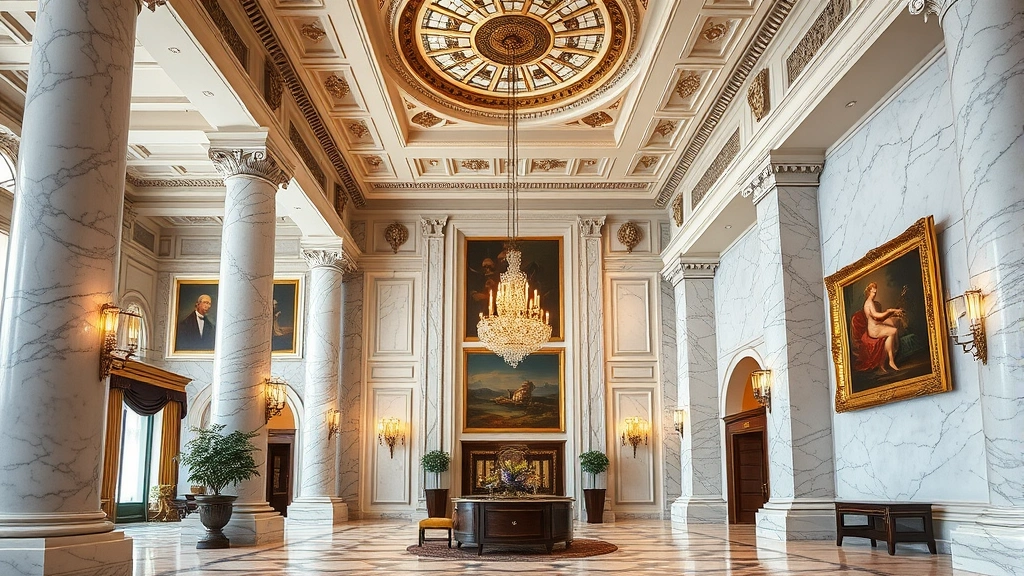
When the Plaza Hotel opened its doors in 1907, it was designed as more than merely a place to rest one’s head. Architect Henry Janeway Hardenbergh envisioned a Beaux-Arts masterpiece that would serve as a cultural beacon for Manhattan’s elite. From its inception, the Plaza integrated artistic elements into its architectural DNA, with marble columns, ornate plasterwork, and carefully selected furnishings creating an atmosphere of refined elegance.
The early decades of the Plaza’s operation established traditions that persist today. The hotel’s founders understood that luxury hospitality transcends basic comfort—it encompasses an entire sensory and intellectual experience. By incorporating significant artworks throughout public spaces and guest rooms, the Plaza positioned itself as a destination for culturally sophisticated travelers. This approach distinguished the property from competitors and justified premium pricing strategies that remain relevant in today’s luxury market.
Throughout the twentieth century, the Plaza’s art collection evolved with changing aesthetic movements and cultural priorities. The property underwent several major renovations, each presenting opportunities to refresh artistic displays while maintaining the hotel’s classical foundations. These decisions reflected broader trends in how luxury brands leverage cultural capital to maintain relevance and desirability across generations.
The Plaza’s artistic commitment extended beyond visual arts. The hotel’s restaurants, ballrooms, and event spaces were designed with theatrical grandeur, featuring sculptural elements, paintings, and decorative arts that created immersive environments. Guests didn’t simply occupy rooms; they inhabited curated artistic spaces that reinforced the Plaza’s positioning as a cultural institution.
Key Pieces and Collections Within the Plaza
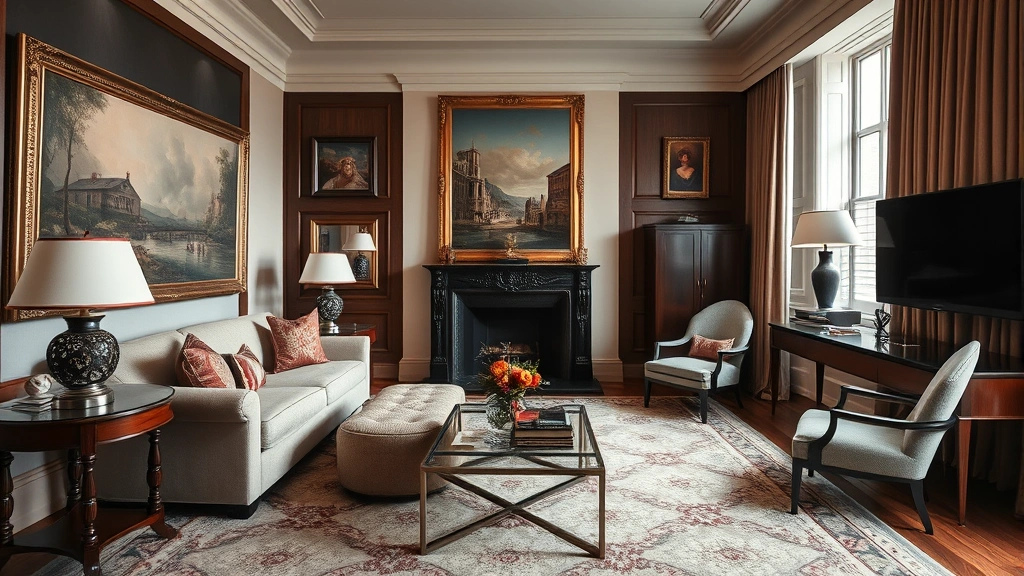
The Plaza Hotel’s art collection encompasses diverse periods, styles, and mediums. The collection includes significant examples of American and European painting, sculpture, decorative arts, and contemporary installations. While specific pieces have changed over the decades due to acquisitions, sales, and loans to museums, certain categories consistently define the collection’s character.
Portraiture occupies a prominent place within the Plaza’s holdings. Formal portraits of historical figures, cultural leaders, and prominent patrons adorn public spaces and executive areas. These works serve both aesthetic and symbolic functions, reinforcing the hotel’s connection to Manhattan’s social and cultural elite. The hotel maintains an impressive collection of nineteenth and early twentieth-century American portraiture, featuring works by artists of considerable repute.
Landscape paintings constitute another significant portion of the collection. Romantic interpretations of natural scenery, pastoral scenes, and architectural studies create visual variety across the property’s extensive corridors and common areas. These works provide aesthetic contrast to the urban environment surrounding the Plaza, offering guests visual respite and connection to broader artistic traditions.
The Plaza’s decorative arts collection deserves particular attention. Fine furniture, ornamental sculptures, tapestries, and applied arts objects demonstrate sophisticated understanding of design history. Many pieces date to periods of significant artistic achievement, representing craftsmanship standards rarely encountered in contemporary production. These objects contribute meaningfully to the overall aesthetic environment without requiring the interpretive engagement demanded by more conceptually challenging artworks.
Contemporary acquisitions have modernized the collection while maintaining historical coherence. Recent additions reflect curatorial decisions to balance classical foundations with contemporary sensibilities. This evolution demonstrates how luxury hospitality properties must adapt their cultural programming to engage diverse guest demographics while preserving brand heritage.
Art Curation and Acquisition Strategy
Managing an extensive art collection at the scale of the Plaza Hotel requires sophisticated curatorial expertise and strategic acquisition planning. The property maintains relationships with galleries, auction houses, conservation specialists, and museum professionals who inform collecting decisions. This network ensures that acquisitions align with the collection’s overall vision while meeting practical hospitality requirements.
Curatorial strategy at the Plaza balances several competing objectives. Works must enhance guest experience through visual appeal and cultural significance. Simultaneously, pieces should contribute to the property’s brand positioning and market differentiation. Additionally, artworks must be sufficiently durable and appropriately scaled for hospitality environments where thousands of guests interact with them annually.
The Plaza’s acquisition approach reflects understanding that art serves multiple functions in luxury hospitality contexts. Unlike museum collections, which prioritize scholarly and aesthetic excellence above practical considerations, hospitality art must perform dual roles. Pieces must be beautiful and culturally significant while also withstanding intensive use and contributing to commercial objectives.
Budget allocation for art acquisition and maintenance represents a meaningful expense within the Plaza’s operational framework. The property demonstrates commitment to this investment through consistent acquisition of quality works and professional conservation services. This financial commitment reflects understanding that cultural capital directly influences guest perception and willingness to pay premium rates.
Seasonal rotations and temporary installations keep the collection fresh for repeat visitors. The Plaza occasionally loans works to museums or hosts traveling exhibitions, activities that enhance the property’s cultural credibility and attract visitors beyond the traditional guest base. These initiatives position the Plaza as a serious cultural institution rather than merely a commercial hospitality provider.
For property investors considering how to enhance asset value, the Plaza’s approach offers instructive lessons. Strategic investment in cultural amenities—whether through art acquisition, architectural restoration, or cultural programming—can meaningfully enhance property valuation and market positioning. This principle applies beyond luxury hotels to residential properties, mixed-use developments, and cultural institutions seeking to maximize long-term asset appreciation.
When evaluating properties like those featured in guides to hotels with jacuzzi in room or other premium hospitality venues, cultural amenities and artistic programming should factor into valuation assessments. The Plaza demonstrates that such investments yield returns through enhanced brand positioning and premium pricing capacity.
Impact on Guest Experience and Property Value
The Plaza’s art collection directly influences guest perception and satisfaction metrics. Visitors to luxury properties increasingly seek experiences beyond basic hospitality services. Cultural amenities, artistic environments, and engagement with significant artworks represent differentiating factors that justify premium pricing and encourage repeat visitation.
Guest feedback consistently emphasizes the Plaza’s aesthetic environment as a primary appeal factor. The property’s artistic richness creates an atmosphere of refinement and cultural sophistication that guests associate with their own elevated status. This psychological dimension of luxury hospitality—the sense that one is participating in a culturally significant experience—proves commercially valuable and difficult for competitors to replicate.
The art collection contributes to the Plaza’s ability to command premium rates for accommodations and event spaces. When guests pay substantially more per night than comparable properties offer, they expect tangible justifications beyond functional room features. The Plaza’s artistic environment, historical significance, and cultural programming provide such justifications, allowing the property to maintain pricing power even during competitive market conditions.
From a real estate valuation perspective, the art collection and cultural programming enhance the property’s overall asset value. Luxury hospitality properties are valued based on revenue generation capacity, operational efficiency, and brand strength. The Plaza’s cultural positioning and artistic holdings strengthen brand equity, enabling higher occupancy rates and superior pricing. These financial benefits directly translate to increased property valuation and investor returns.
The collection also serves marketing and public relations functions. Media coverage of the Plaza’s artistic holdings, conservation projects, and cultural initiatives generates valuable publicity without substantial advertising expenditure. This earned media enhances brand perception and attracts culturally sophisticated guests who might otherwise consider competing properties.
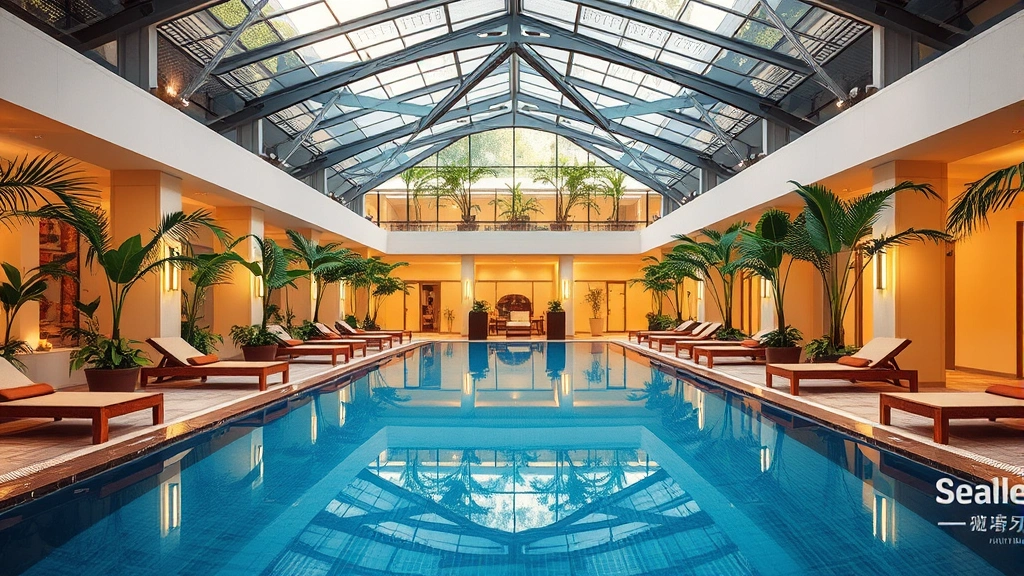
Property managers considering how to enhance asset appeal might examine whether cultural programming and artistic amenities align with their properties’ positioning strategies. While not all hospitality properties require art collections approaching the Plaza’s scale, strategic investment in cultural amenities can meaningfully enhance market positioning and financial performance. This principle extends to hotel indoor pool facilities and other amenities that justify premium pricing through distinctive guest experiences.
For residential properties and mixed-use developments, similar principles apply. Properties featuring significant art collections, architectural heritage, or cultural programming command premium valuations and attract discerning buyers. Investment in cultural amenities represents a legitimate strategy for enhancing long-term asset value and market positioning.
Preservation and Conservation Efforts
Maintaining an extensive art collection within an actively operated hospitality property presents substantial conservation challenges. Unlike museum environments with controlled temperature, humidity, and lighting conditions, hotels experience constant fluctuations in environmental conditions. The Plaza addresses these challenges through sophisticated conservation practices and ongoing professional oversight.
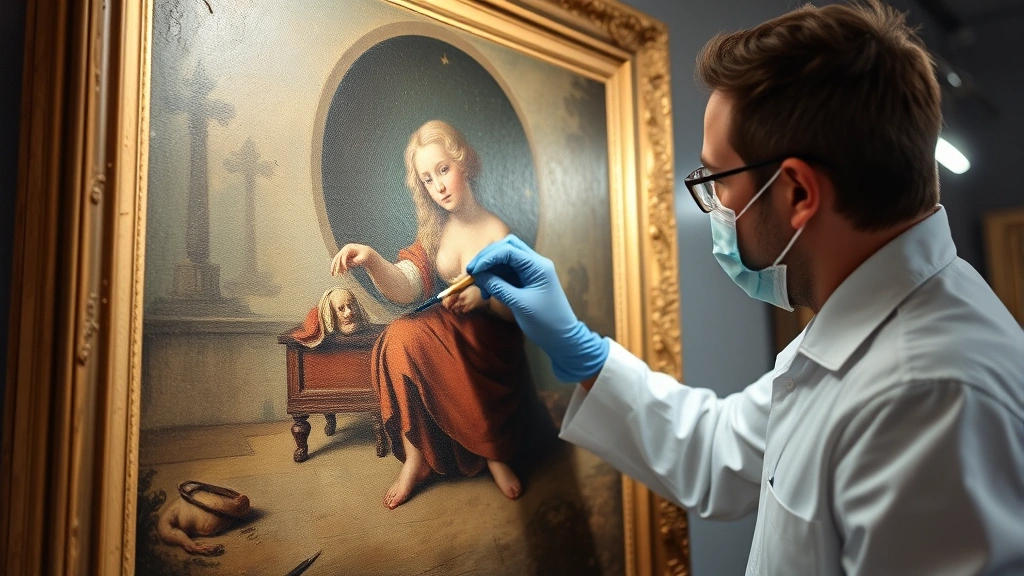
The property employs or contracts with professional conservators who regularly assess collection condition, identify conservation needs, and perform necessary treatments. This proactive approach prevents deterioration and ensures that artworks remain in excellent condition despite intensive institutional use. Conservation work includes cleaning, restoration, structural repairs, and protective treatments that extend artwork lifespan significantly.
Climate control represents a primary conservation concern. The Plaza maintains systems designed to minimize temperature and humidity fluctuations that can damage paintings, sculptures, and decorative objects. Lighting systems employ conservation-appropriate technologies that provide adequate illumination without excessive ultraviolet exposure that accelerates artwork degradation.
Security and theft prevention constitute additional conservation priorities. The Plaza implements sophisticated security measures protecting valuable artworks from unauthorized removal or damage. These systems balance aesthetic presentation with protective requirements, ensuring that artworks remain visible and accessible to guests while remaining secure.
Documentation and cataloging of collection items enable effective management and conservation planning. The Plaza maintains detailed records of acquisition dates, provenance, conservation history, and current condition for significant pieces. This information supports conservation decision-making and provides valuable documentation for insurance and valuation purposes.
Periodic rotation of artworks from storage to public display areas distributes wear patterns and allows conservation attention to pieces in less visible locations. This systematic approach ensures that the entire collection receives appropriate care rather than only the most prominently displayed works receiving professional attention.
The Plaza’s conservation commitment reflects understanding that artworks represent long-term investments requiring ongoing financial and professional commitment. Property owners considering similar cultural amenities should budget appropriately for conservation and maintenance. These costs, while substantial, represent necessary investments in asset preservation and financial sustainability.
For properties featuring historic elements or significant architectural features, conservation principles applied to the Plaza’s art collection provide useful guidance. Systematic maintenance, professional expertise, appropriate environmental controls, and adequate budgeting enable preservation of cultural assets that enhance property value and guest experience over extended periods.
The Plaza as Cultural Institution
Beyond its primary function as a luxury hotel, the Plaza operates as a significant cultural institution within New York City’s broader artistic ecosystem. The property maintains relationships with museums, galleries, and cultural organizations that reflect its positioning as a serious steward of cultural heritage rather than merely a commercial hospitality provider.
The Plaza occasionally hosts cultural events, lectures, and exhibitions that extend the property’s cultural programming beyond guest accommodations. These initiatives attract media attention, enhance community relationships, and position the property as a contributor to Manhattan’s cultural vitality. Such programming also creates opportunities for non-guests to experience the property, potentially converting cultural visitors into future hotel guests.
The property’s art collection and cultural programming contribute to broader conversations about heritage preservation and adaptive reuse in urban contexts. As historic properties face pressures to modernize and compete with newer competitors, the Plaza demonstrates that cultural and historical assets can remain commercially viable when thoughtfully integrated into contemporary operations. This model offers lessons for other historic hospitality properties and cultural institutions facing similar challenges.
The Plaza’s approach to balancing commercial imperatives with cultural stewardship reflects sophisticated understanding that long-term business success depends on more than financial metrics. Properties that contribute meaningfully to their communities, preserve cultural heritage, and engage in activities beyond profit maximization develop stakeholder loyalty and community support that prove valuable during challenging periods.
For property investors and developers, the Plaza’s cultural positioning offers strategic lessons. Properties that successfully integrate cultural and artistic elements into their operational and marketing strategies often achieve superior financial performance compared to competitors lacking such differentiation. This principle applies across property types and market segments, from luxury hospitality to residential and mixed-use developments.
When evaluating potential acquisitions or development opportunities, consider how cultural amenities and artistic programming might enhance property positioning and financial performance. Properties featuring hotel with balcony amenities or other distinctive features can further enhance appeal through complementary cultural programming and artistic curation. The combination of physical amenities with cultural richness creates compelling value propositions that justify premium pricing and command strong market positions.
External perspectives on cultural heritage preservation and hospitality design can enhance understanding of how properties like the Plaza achieve their distinctive positioning. Organizations like the National Trust for Historic Preservation provide valuable resources on heritage conservation strategies applicable to hospitality and other property types. Additionally, the American Institute of Architects offers insights into how architectural heritage influences property value and community impact.
For those interested in broader hospitality market trends and luxury property positioning, the American Hotel & Lodging Association provides industry research and best practices. Property managers can benefit from understanding how cultural amenities align with contemporary guest expectations and market positioning strategies. Resources from Hospitality Net offer additional perspectives on how properties differentiate themselves through distinctive amenities and cultural programming.
The Plaza’s model also reflects principles of sustainable luxury that increasingly influence investment decisions across property sectors. Properties that prioritize cultural preservation, environmental responsibility, and community engagement attract investors and guests seeking alignment with values beyond financial returns. This trend suggests that cultural investment in properties like the Plaza represents not merely aesthetic choice but strategic positioning for long-term market relevance.
Prospective guests considering whether to stay at the Plaza or comparable properties might also explore best hotels in Hawaii or other regional options to compare how different properties approach cultural amenities and distinctive positioning. Properties offering all inclusive resorts for couples represent alternative luxury models, while properties featuring Orlando hotels with lazy river facilities demonstrate how different market segments prioritize amenities. Understanding these variations provides context for appreciating the Plaza’s distinctive focus on cultural and artistic differentiation.
FAQ
What types of artworks comprise the Plaza Hotel’s collection?
The Plaza’s collection includes American and European paintings, particularly portraiture and landscape works from the nineteenth and early twentieth centuries. The collection also features significant decorative arts, sculptures, tapestries, and contemporary installations. Specific pieces have evolved over the decades, with regular acquisitions and occasional sales or loans to museums.
How does the Plaza maintain its art collection given constant guest interaction?
The Plaza employs professional conservators and maintains sophisticated environmental controls including climate management and conservation-appropriate lighting systems. The property implements security measures protecting valuable works and rotates pieces periodically to distribute wear patterns. Regular assessment and preventive conservation prevent deterioration despite intensive institutional use.
Does the Plaza’s art collection influence room pricing and guest perception?
Yes, significantly. The artistic environment contributes substantially to the Plaza’s brand positioning and justifies premium pricing compared to properties lacking such cultural amenities. Guest feedback consistently emphasizes the aesthetic and cultural environment as primary appeal factors, making the collection a commercially valuable asset beyond its intrinsic cultural significance.
Can the public view the Plaza’s art collection?
While the collection is primarily accessible to hotel guests, the Plaza occasionally hosts cultural events and exhibitions open to the general public. The property maintains relationships with museums and cultural organizations that sometimes feature collection pieces in exhibitions or collaborative programming.
How does the Plaza’s approach to art curation compare with other luxury hotels?
The Plaza represents an exceptionally sophisticated approach to cultural programming and artistic curation. While many luxury properties feature artwork, few maintain collections approaching the Plaza’s scale or engage in the level of professional conservation and curatorial expertise that characterizes the Plaza’s program. This distinctive positioning contributes meaningfully to the property’s market differentiation and brand strength.
What investment considerations should property owners understand about cultural amenities?
Strategic investment in cultural amenities, including art collections, architectural preservation, and cultural programming, can meaningfully enhance property valuation and market positioning. Such investments generate returns through premium pricing capacity, enhanced guest satisfaction, earned media benefits, and improved competitive positioning. However, these investments require adequate budgeting for acquisition, conservation, and ongoing maintenance.