Louis Vuitton Hotel? Luxury Stay Insights
The luxury hospitality landscape has evolved dramatically over the past decade, with iconic fashion brands increasingly exploring opportunities beyond traditional retail. While Louis Vuitton—the legendary French fashion house—has not officially launched a dedicated hotel chain, the concept of luxury brand hotels represents a fascinating intersection of hospitality, design philosophy, and premium experiences. Understanding what a Louis Vuitton hotel might offer requires examining current luxury hospitality trends, the brand’s design ethos, and how high-end accommodations are transforming the travel experience for discerning guests.
The question of whether Louis Vuitton operates hotels often stems from the brand’s ubiquitous presence in luxury travel destinations and its collaborations with premium hospitality providers. From airport boutiques to curated travel experiences, Louis Vuitton has positioned itself as an integral part of the luxury lifestyle ecosystem. This comprehensive guide explores the reality of Louis Vuitton’s hospitality ventures, what luxury hotel experiences currently exist, and how to maximize your stay at world-class accommodations that embody similar values of craftsmanship, exclusivity, and timeless elegance.
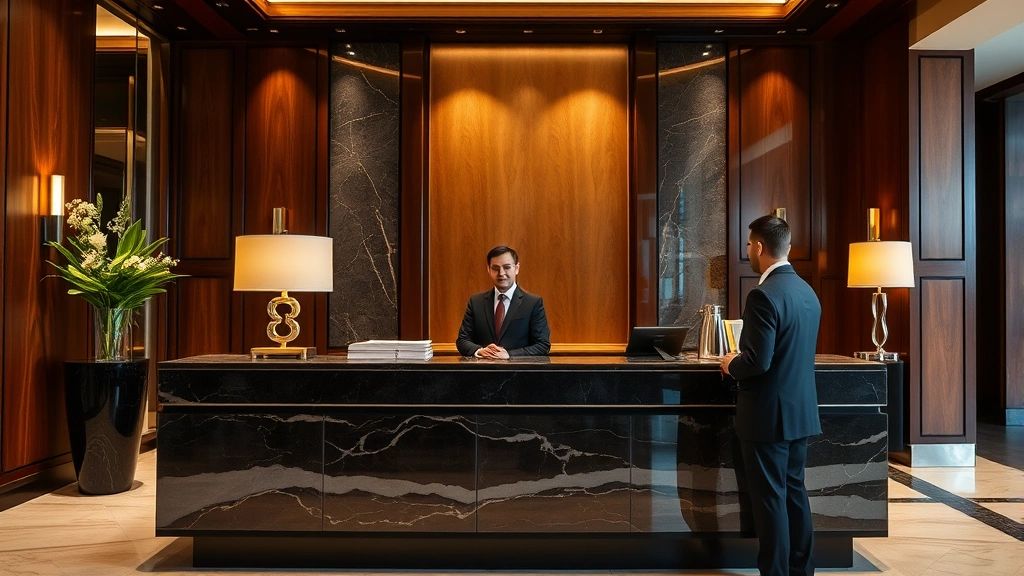
Does Louis Vuitton Own Hotels?
Louis Vuitton, owned by LVMH Moët Hennessy Louis Vuitton SE, does not currently operate a standalone hotel chain under the Louis Vuitton brand name. However, the parent company LVMH has significant investments in luxury hospitality through multiple subsidiaries and partnerships. The Belmond hotel collection, owned by LVMH, represents the group’s most prominent hospitality portfolio, featuring iconic properties like Hotel Cipriani in Venice and Belmond Charleston Place in South Carolina.
The absence of a branded Louis Vuitton hotel doesn’t diminish the fashion house’s influence on luxury accommodation standards. Instead, Louis Vuitton has strategically positioned itself within the luxury travel ecosystem through exclusive partnerships, limited-edition travel collections, and collaborations with five-star properties worldwide. This approach allows the brand to maintain its exclusivity while benefiting from the expertise of established hospitality operators.
When luxury travelers seek a “Louis Vuitton hotel experience,” they’re typically referring to accommodations that match the brand’s aesthetic principles: impeccable craftsmanship, attention to detail, timeless design, and personalized service. Many five-star hotels worldwide incorporate these values, whether through partnerships with the brand or by independently adhering to similar luxury standards.
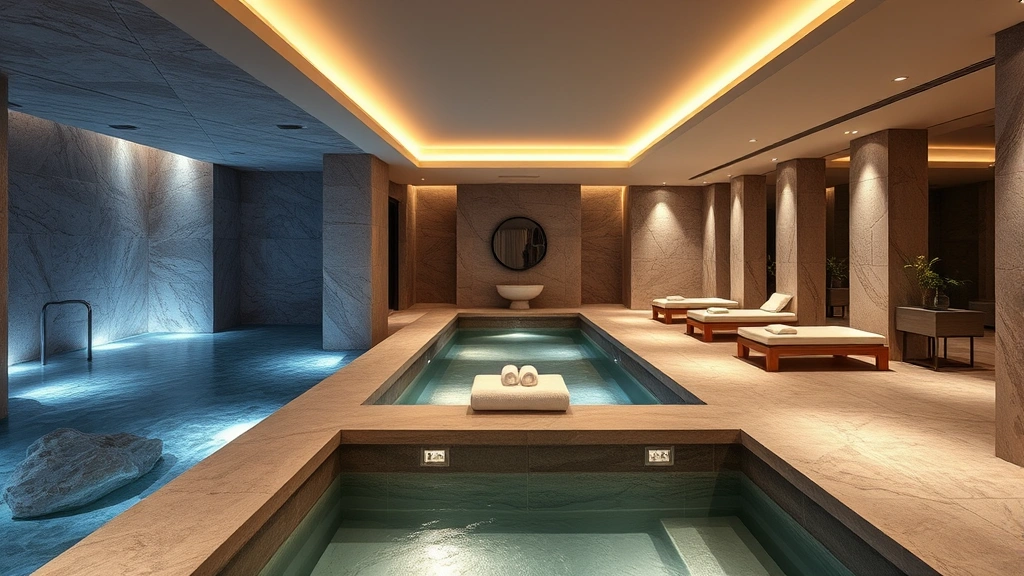
Luxury Brand Hotel Collaborations
The luxury hospitality sector has witnessed an explosion of brand collaborations in recent years. Major fashion and luxury conglomerates have recognized the value of extending their brands into the accommodation space. These collaborations typically fall into several categories: branded hotel collections, limited-edition experiences, and design partnerships.
LVMH’s hospitality strategy focuses on acquiring and operating existing luxury properties rather than creating entirely new branded chains. This approach has proven more successful than launching new brands, as it preserves the historic character and established reputation of renowned properties. The Belmond collection exemplifies this strategy, with each property maintaining its individual identity while benefiting from LVMH’s resources and operational expertise.
Other luxury brands have explored similar paths. Armani Hotels, for instance, represents a successful branded hospitality venture, with properties in Milan, Dubai, and Tokyo. These hotels embody Giorgio Armani’s design philosophy—minimalist elegance, sophisticated color palettes, and refined simplicity. Similarly, Versace has partnered with hospitality operators to create branded experiences that reflect the brand’s bold aesthetic.
For travelers seeking hotels with romantic packages and luxury amenities, many LVMH-affiliated properties offer curated experiences that rival any branded hotel concept. These accommodations provide the craftsmanship and attention to detail associated with luxury brands, even without the explicit Louis Vuitton name on the marquee.
Defining Luxury Hotel Standards
Understanding what constitutes a luxury hotel experience helps clarify why the Louis Vuitton hotel question resonates with travelers. Luxury accommodations are characterized by specific standards, amenities, and service philosophies that distinguish them from standard hospitality offerings.
Key elements of luxury hotels include:
- Personalized Service: Staff trained to anticipate guest needs and provide customized experiences based on individual preferences and requirements
- Architectural Distinction: Unique design that reflects local culture, historical significance, or innovative contemporary concepts
- Premium Amenities: High-thread-count linens, luxury toiletries from prestigious brands, state-of-the-art technology, and curated minibar selections
- Culinary Excellence: Michelin-starred restaurants, celebrity chefs, and farm-to-table dining experiences
- Exclusive Facilities: Private spas, concierge services, business centers, and recreational amenities unavailable at standard properties
- Attention to Detail: Meticulous housekeeping, quality furnishings, and thoughtful design elements throughout the property
The Louis Vuitton brand embodies many of these principles through its core business practices. The fashion house’s commitment to craftsmanship, heritage, and exclusivity translates naturally into hospitality standards. Whether through direct hotel ownership or partnership-based collaborations, luxury accommodations inspired by such principles offer guests experiences that justify premium pricing.
Louis Vuitton’s Hospitality Presence
While Louis Vuitton doesn’t operate hotels, the brand maintains a significant presence in the luxury travel and hospitality sector through various initiatives and partnerships. Understanding these touchpoints helps travelers identify accommodations aligned with Louis Vuitton’s values and aesthetic.
Louis Vuitton’s hospitality-related ventures include:
- Travel Collections: Exclusive luggage, travel accessories, and leather goods designed for the discerning traveler, available at luxury hotels and travel hubs
- Airport Boutiques: Strategic locations in premium terminals at major international airports, positioning the brand as essential to luxury travel experiences
- Hotel Partnerships: Collaborations with five-star properties for exclusive amenities, welcome gifts, and curated experiences for VIP guests
- Destination Experiences: Sponsorships and partnerships with luxury travel experiences, including yacht charters, private aviation, and exclusive resort destinations
- Design Consultations: Involvement in hospitality design projects through LVMH’s broader creative network and architectural partnerships
Many luxury hotels worldwide feature Louis Vuitton accessories in their gift shops, utilize the brand’s travel products in their concierge services, or partner with LVMH subsidiary brands for spa treatments and dining experiences. These touchpoints create an integrated luxury ecosystem where travelers can experience Louis Vuitton’s brand philosophy throughout their journey.
When researching hotels for business travelers, many luxury properties cater to executive guests with amenities and services that reflect similar values of excellence and attention to detail that Louis Vuitton embodies. Premium business hotels often feature premium bedding, high-speed internet, executive lounges, and personalized concierge services that appeal to discerning professionals.
Finding Premium Accommodations
For travelers seeking luxury experiences comparable to what a Louis Vuitton hotel might offer, several strategies can help identify appropriate properties. Understanding where to look and what to prioritize ensures that your accommodation matches your expectations and budget.
Luxury Hotel Collections: Start with established luxury hotel groups known for exceptional standards. The Belmond collection, Four Seasons Hotels and Resorts, Mandarin Oriental, Peninsula Hotels, and Rosewood Hotels all operate properties that embody luxury principles similar to those associated with Louis Vuitton. These collections maintain rigorous quality standards and offer consistent experiences across diverse locations.
Destination Research: Identify your travel destination first, then research the most acclaimed properties in that location. Read reviews from luxury travel publications like Condé Nast Traveler, Travel + Leisure, and Robb Report, which specifically cover high-end accommodations. These sources provide detailed insights into service quality, design, and overall experience.
Award Recognition: Hotels recognized by prestigious awards like the Forbes Travel Guide, Michelin Guide, and international hospitality awards typically maintain exceptional standards. These accolades indicate third-party validation of quality and service excellence.
Personal Recommendations: Seek recommendations from travel advisors who specialize in luxury accommodations. These professionals have direct experience with properties and can match your preferences with appropriate options. Many luxury hotels employ concierge services that can facilitate bookings and provide insider knowledge about local experiences.
Brand Loyalty Programs: Consider staying within a single luxury hotel brand to accumulate loyalty benefits. Many premium collections offer elite membership tiers that provide room upgrades, late checkout, complimentary amenities, and personalized services that enhance your experience.
Planning Your Luxury Stay
Booking a luxury hotel requires attention to detail and strategic planning to maximize value and ensure your experience meets expectations. The process differs significantly from standard hotel reservations, with additional considerations and opportunities for customization.
Advance Booking: Premier luxury properties often require bookings several months in advance, particularly during peak travel seasons. Popular destinations and seasonal peaks can result in limited availability, so planning well ahead ensures access to preferred properties and room categories.
Room Selection: When booking, specify your room preferences clearly. Luxury hotels offer diverse accommodations ranging from standard suites to signature properties like penthouse suites or villa accommodations. Communicating preferences regarding location within the property, view orientation, and specific amenities ensures you receive appropriate accommodations.
Special Requests: Luxury hotels excel at accommodating special requests. Whether you require specific dietary accommodations, accessibility features, or unique amenities, communicate these needs during the booking process. Many properties can arrange everything from welcome gifts to customized spa treatments.
Concierge Services: Upon arrival, engage with the concierge team to plan dining reservations, entertainment, transportation, and local experiences. Concierge professionals at luxury properties possess extensive knowledge of local attractions, exclusive venues, and experiences unavailable to the general public.
If you’re planning a special occasion, hotels with romantic packages offer curated experiences including champagne service, spa treatments, and special dining arrangements. Many luxury properties customize packages based on your specific preferences and celebration type.
Cancellation Policies: Before finalizing your booking, thoroughly review cancellation policies and terms. Luxury properties may offer flexible cancellation for elite members or specific room categories. Understanding these policies protects your investment and provides flexibility should your travel plans change. For detailed guidance, consult resources on how to cancel hotel reservations to understand your options and potential implications.
Maximizing Travel Rewards: If you travel frequently, leverage airline miles and hotel loyalty points to offset costs. Many luxury hotel brands partner with premium airline programs, allowing you to book rooms using accumulated travel rewards. Understanding how to optimize these benefits can significantly reduce accommodation expenses. Learn more about how to use airline miles to enhance your luxury travel experiences.
Dining Experiences: Luxury hotels often feature multiple dining venues ranging from casual to fine dining. Make reservations for dinner services well in advance, particularly if the property features a Michelin-starred restaurant. Many properties offer tasting menus, wine pairings, and customized culinary experiences. For detailed information about available options, consult understanding hotel room service menus to explore in-room dining possibilities alongside restaurant offerings.
Understanding Luxury Market Trends
The luxury hospitality sector continues to evolve, with emerging trends that influence how high-end properties operate and what guests should expect. Understanding these developments helps travelers make informed decisions about accommodations.
Sustainability in Luxury: Leading luxury hotels increasingly emphasize sustainable practices, from locally sourced cuisine to eco-friendly amenities and energy-efficient systems. This trend reflects growing consumer demand for responsible luxury that doesn’t compromise environmental values. Many LVMH-affiliated properties incorporate sustainability initiatives while maintaining premium service standards.
Technology Integration: Modern luxury hotels seamlessly integrate technology without compromising aesthetic appeal. Smart room controls, high-speed internet, mobile check-in, and digital concierge services enhance convenience while maintaining the elegant atmosphere luxury guests expect. This balance between innovation and refinement appeals to contemporary travelers.
Wellness Focus: Luxury properties increasingly emphasize wellness through spa facilities, fitness programs, nutritional cuisine, and mental health services. This reflects a broader shift in how affluent travelers conceptualize luxury—moving beyond traditional indulgence toward holistic well-being.
Personalization and Data: Leading luxury hotels utilize guest data to provide hyper-personalized experiences. From remembering room temperature preferences to curating dining recommendations based on previous selections, this data-driven personalization enhances guest satisfaction and loyalty.
Experiential Travel: Rather than simply providing accommodation, luxury properties increasingly focus on curating unique experiences. Whether through private tours, exclusive events, or access to otherwise unavailable attractions, hotels position themselves as experience facilitators rather than mere lodging providers.
Comparing Luxury Hotel Options
When evaluating luxury accommodations, several factors should guide your decision-making process. Understanding how to compare properties ensures you select options that best match your preferences and travel objectives.
Price vs. Value: While luxury hotels command premium prices, the relationship between cost and value varies significantly. A property charging $1,000 per night might offer superior value compared to a $2,000 property, depending on location, amenities, and service quality. Evaluate what you’re paying for and whether those elements matter for your specific trip.
Location and Accessibility: Consider how the property’s location affects your travel experience. A centrally located hotel might command higher rates but eliminate transportation costs and save time. Conversely, a resort property outside major urban centers might offer superior amenities and tranquility despite less convenient location.
Specific Amenities: Different travelers prioritize different amenities. Business travelers need robust meeting facilities and executive services, while leisure travelers might prioritize spa facilities or beach access. Identify your specific requirements and verify that properties offer appropriate amenities.
Service Philosophy: Luxury hotels differentiate themselves through service approaches. Some emphasize intuitive, unobtrusive service, while others favor more personable, interactive staff engagement. Understanding your service preferences helps identify properties aligned with your expectations.
Design and Atmosphere: Properties vary dramatically in design philosophy. Some embrace classical elegance, while others showcase contemporary minimalism or culturally inspired aesthetics. Your personal preferences regarding ambiance should influence property selection, as you’ll spend significant time in these environments.
For Families and Special Occasions
Luxury accommodations cater to diverse traveler needs, including families and those celebrating special occasions. Understanding how premium properties serve these segments helps identify appropriate options.
For family travel, hotels with family suites provide spacious accommodations that don’t require multiple rooms while maintaining luxury standards. These properties often feature family-friendly amenities like kids’ clubs, babysitting services, and age-appropriate activities alongside adult-oriented facilities.
For romantic getaways and anniversaries, hotels with romantic packages offer curated experiences specifically designed for couples. These typically include champagne service, spa treatments, special dining arrangements, and room enhancements that create memorable celebrations.
External Resources and Information
For comprehensive information about luxury hospitality standards, brand guidelines, and travel planning resources, several authoritative organizations provide valuable guidance:
- U.S. Department of Housing and Urban Development (HUD) provides housing and travel-related information
- United Nations World Tourism Organization (UNWTO) publishes global tourism and hospitality standards
- American Hotel & Lodging Association (AHLA) represents hospitality industry interests and maintains quality standards
- Forbes Travel Guide provides expert hotel ratings and luxury travel recommendations
- Airbnb Luxury offers curated luxury accommodation options for travelers seeking premium experiences
FAQ
Does Louis Vuitton actually operate hotels?
Louis Vuitton does not currently operate a branded hotel chain. However, the parent company LVMH owns the Belmond luxury hotel collection and maintains partnerships with premium hospitality providers worldwide. The brand’s presence in luxury travel comes through collaborations, airport boutiques, and travel product offerings rather than direct hotel ownership.
What hotels are owned by Louis Vuitton’s parent company?
LVMH Moët Hennessy Louis Vuitton owns the Belmond collection, which includes iconic properties like Hotel Cipriani in Venice, Belmond Charleston Place in South Carolina, and numerous other five-star properties across Europe, the Americas, and Asia. The group also owns Cheval Blanc hotels and has investments in various luxury hospitality ventures.
How can I find luxury hotels with Louis Vuitton’s aesthetic and standards?
Look for properties within established luxury collections like Belmond, Four Seasons, Mandarin Oriental, or Peninsula Hotels. These properties embody similar principles of craftsmanship, attention to detail, and exclusivity. Research properties using luxury travel publications, consult with luxury travel advisors, and read reviews from verified guests.
What makes a hotel “luxury” according to industry standards?
Luxury hotels are characterized by exceptional personalized service, unique architectural design, premium amenities, culinary excellence, exclusive facilities, and meticulous attention to detail. They typically maintain high staff-to-guest ratios, offer customized experiences, and command premium pricing justified by superior quality and service.
Are there branded hotels from other luxury fashion houses?
Yes, brands like Armani Hotels, Versace, and others have successfully launched branded hotel collections. These properties embody the design philosophy and aesthetic values of their respective brands, offering experiences that extend beyond traditional hospitality into lifestyle curation.
How far in advance should I book luxury accommodations?
For premier luxury properties, especially during peak seasons, advance booking of three to six months is advisable. Some exclusive properties may require even longer lead times. Earlier booking ensures access to preferred room categories, better rates, and availability at your desired dates.
What should I consider when choosing between luxury hotels?
Evaluate location, specific amenities relevant to your needs, service philosophy, design aesthetic, cancellation policies, and value relative to price. Consider whether the property specializes in your travel type (business, leisure, family, romantic) and whether it offers experiences or amenities you specifically desire.
Can I use airline miles or loyalty points at luxury hotels?
Many luxury hotel brands participate in loyalty programs that accept airline miles and partner points. Premium hotel credit cards often provide elite status and additional benefits. Consult with your loyalty program providers about redemption options and benefits at luxury properties.