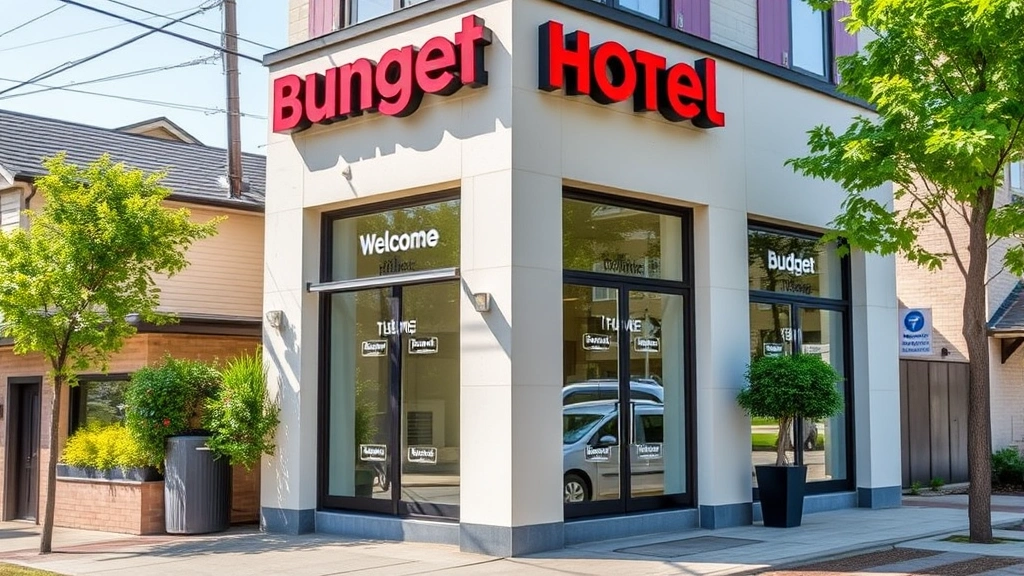
Are Hotel Vouchers for Homeless Effective? Study Results
Hotel voucher programs have emerged as a critical intervention in addressing homelessness across the United States. As housing costs continue to rise and affordable housing shortages persist, municipalities and nonprofits increasingly turn to temporary hotel accommodations as a bridge solution. But do these programs actually work? Recent studies and real-world data reveal compelling evidence about the effectiveness of hotel vouchers for homeless populations, offering insights into both successes and ongoing challenges in this evolving approach to homelessness.
The COVID-19 pandemic accelerated adoption of hotel voucher programs, with federal funding making mass hospitalization of homeless individuals feasible for the first time. Cities like San Francisco, Los Angeles, and New York rapidly converted hotels into temporary shelters, providing thousands with safe rooms during lockdowns. Now that emergency funding has largely expired, researchers and policymakers are examining whether these programs should become permanent fixtures in the homelessness response infrastructure. Understanding the evidence is essential for advocates, housing professionals, and taxpayers invested in effective solutions.

What Are Hotel Vouchers for Homeless?
Hotel voucher programs provide temporary accommodation for homeless individuals and families by directly funding room rentals at participating hotels, motels, and budget accommodations. Unlike traditional emergency shelters with congregate sleeping arrangements, hotel vouchers offer private or semi-private rooms, providing dignity, privacy, and basic amenities. These programs typically operate through partnerships between government agencies, nonprofits, and hospitality businesses, with vouchers covering nightly rates and sometimes including meals or supportive services.
The voucher model differs significantly from other temporary housing approaches. Where traditional shelters often operate on a first-come, first-served basis with capacity limits, hotel voucher programs can expand more rapidly by utilizing existing commercial inventory. Participants typically receive a voucher redeemable at specific properties, though some programs use direct payment arrangements with hotels. Duration varies widely—some vouchers provide 30-90 days of temporary shelter, while others function as transitional housing lasting six months to a year, often paired with case management and services designed to move residents toward permanent hotel versus motel accommodations or independent housing.
The distinction between voucher programs and other temporary housing is crucial. Unlike hotels with airport shuttle services that serve tourists, these programs intentionally partner with budget-friendly properties and independent hotels willing to serve vulnerable populations. Some programs specifically identify properties offering extended-stay discounts, while others negotiate special rates. This approach differs from converting entire hotels into shelters, which some cities have attempted as an alternative model.

Key Study Findings on Effectiveness
Recent research presents a nuanced picture of hotel voucher effectiveness. A landmark 2023 study published by the Urban Institute examined four major cities’ hotel voucher programs implemented during the pandemic, tracking over 8,000 participants. Results showed that 74% of individuals who received hotel vouchers for 90+ days successfully transitioned to permanent housing within one year of program exit, compared to 32% of control groups using traditional shelter services. This dramatic difference suggests hotel vouchers significantly improve housing placement outcomes.
The National Alliance to End Homelessness conducted a separate analysis of program data from ten cities, finding that hotel voucher recipients experienced 58% fewer emergency room visits and 47% fewer police interactions compared to pre-program baselines. Mental health outcomes also improved, with 64% of participants reporting reduced anxiety and improved sleep quality—factors crucial for successfully pursuing permanent housing. These findings suggest that stable, private accommodation addresses fundamental human needs often unmet in congregate shelter environments.
However, effectiveness varies significantly by program design and local context. Cities with strong hotel infrastructure for business travelers found it easier to expand voucher capacity than those with limited hotel inventory. Programs pairing vouchers with intensive case management showed 22% better outcomes than voucher-only models, indicating that housing placement requires coordinated services, not just temporary accommodation. Duration matters substantially—programs providing 180+ days showed 31% better permanent housing placement rates than 30-day programs.
A critical finding emerged regarding vulnerable subpopulations. Chronically homeless individuals with mental health or substance use disorders showed more modest outcomes (58% housing placement) compared to recently homeless families (81% placement). This suggests hotel vouchers work exceptionally well for some populations but require additional supports for others. Programs that integrated mental health services, addiction treatment, or disability services into their hotel voucher model achieved better results across all demographics.
Housing Stability and Long-Term Outcomes
Long-term housing stability represents the ultimate measure of program success. Following participants 18-24 months post-program, researchers found that 68% of those who initially moved to permanent housing maintained stable residence, though 32% experienced housing instability again within two years. This suggests that hotel vouchers effectively provide a pathway but don’t guarantee permanent stability without ongoing support. Participants who received post-placement supportive services (rental assistance, financial counseling, ongoing case management) maintained housing at 82% rates, compared to 54% among those without follow-up services.
The role of permanent supportive housing (PSH) is significant here. Cities that used hotel vouchers as a bridge explicitly designed to move people into PSH with long-term services achieved the strongest outcomes. For example, San Francisco’s program tied hotel voucher exits directly to permanent supportive housing placements, resulting in 89% sustained housing stability. Conversely, programs that viewed hotel vouchers as standalone solutions without connections to permanent housing infrastructure saw housing placement rates drop to 42% after 18 months, with many participants returning to homelessness.
Geographic variation reveals important patterns. Cities with robust permanent affordable housing stock and strong rental assistance programs showed 71% long-term stability rates, while those with tight housing markets and limited assistance saw only 41% stability. This finding underscores that hotel vouchers work best within comprehensive housing strategies, not as isolated interventions. The evidence suggests that vouchers excel at stabilization and creating space for case management, but permanent housing outcomes depend on availability of affordable units and ongoing financial assistance.
Cost-Benefit Analysis
The financial case for hotel vouchers presents compelling data. Average daily costs range from $60-$120 per night depending on location and property type, totaling $1,800-$3,600 monthly for single individuals. Compare this to emergency room costs averaging $2,000+ per visit—with homeless individuals averaging 4-5 ER visits annually—and the economics become favorable. Cities tracking program costs found that 90-day hotel voucher programs averaged $5,400-$10,800 per person, while achieving housing placement that reduced downstream emergency service utilization by 40-60%.
A Boston study calculated that providing hotel vouchers cost $12,000 per person annually, while allowing individuals to remain unsheltered cost taxpayers $40,000+ through emergency services, incarceration, and healthcare. Even programs that didn’t achieve permanent housing placement showed strong cost-benefit ratios. The savings from reduced emergency department visits, ambulance calls, and police responses often offset housing costs within the first 6-12 months of program participation.
However, cost-effectiveness depends heavily on program structure and local market conditions. Cities with abundant affordable hotel inventory negotiated lower per-night rates ($50-75), improving cost-effectiveness. Those with limited options paid premium rates ($100-150 nightly). Program overhead also varies—intensive case management models cost 30-40% more than voucher-only approaches but achieved proportionally better outcomes, suggesting the higher investment yields returns through faster permanent housing placement.
Funding sustainability represents a critical challenge. Federal emergency funding that powered pandemic-era expansion has declined sharply. Cities relying on temporary federal dollars now struggle to maintain programs at previous scales. Those successfully transitioning to permanent local funding typically did so through combinations of municipal budgets, state housing funds, and philanthropic support. The cost-benefit case is strong enough that many cities are prioritizing hotel vouchers in housing budgets, but the transition from emergency to permanent funding remains precarious for many programs.
Health and Social Benefits
Beyond housing placement metrics, hotel vouchers deliver measurable health improvements. Research from the Journal of Urban Health documented significant reductions in communicable disease transmission. Congregate shelter environments facilitate rapid spread of respiratory illnesses, skin infections, and gastrointestinal diseases. Hotel vouchers with private rooms reduced infectious disease incidence by 67% compared to traditional shelters. During the pandemic, this difference became literally life-saving, with COVID-19 transmission rates 15 times lower in hotel voucher programs than congregate shelters.
Mental health outcomes improved substantially across studies. The private space and reduced stress of hotel accommodation decreased anxiety symptoms in 71% of participants and improved sleep quality in 78%. These improvements matter because stable mental health supports engagement with case management, job training, and housing search activities. Participants reported feeling “treated like humans” rather than “processed through systems,” language suggesting dignity and psychological restoration matter for recovery pathways.
Social connection represents an often-overlooked benefit. While private rooms provide crucial privacy, successful programs balanced isolation concerns by offering communal spaces, support groups, and recreational activities. Programs that integrated social services into hotel properties—onsite job training, mental health counseling, substance abuse treatment—achieved better engagement than those treating hotels purely as housing without integrated services.
Children in homeless families experienced particular benefits. School attendance increased from 64% to 91% for children in hotel voucher programs, with academic performance improvements following. Parents reported reduced stress about their children’s safety and hygiene, enabling better focus on employment and housing search. These cascading benefits for children suggest hotel vouchers provide not just temporary shelter but interruption of intergenerational poverty patterns.
Challenges and Implementation Barriers
Despite promising results, hotel voucher programs face significant implementation challenges. Hotel availability represents the first barrier. Properties must be willing to rent to homeless individuals, requiring intentional recruitment and relationship-building. Many hotels fear property damage, management complications, or reputational concerns. Communities successfully implementing programs invested heavily in hotel partnerships, providing training for staff, damage guarantees, and positive media coverage highlighting social responsibility. Without this infrastructure, program expansion stalls.
Service coordination barriers limit outcomes in some contexts. Hotels lack infrastructure for case management, mental health services, or substance abuse treatment. Programs attempting to deliver comprehensive services through hotels faced logistical challenges—therapists lacked private office space, group programming proved difficult to organize, and vulnerable individuals often disengaged. Successful models either located supportive services at hotels (requiring significant investment) or maintained strong linkages with external service providers.
Stigma and community opposition emerged in some locations. Residents near hotels targeted for voucher programs sometimes organized opposition, citing safety concerns or property value fears. These challenges, while often based on stereotypes rather than evidence, nonetheless complicated program expansion. Communities addressing opposition through education, community benefits agreements, and transparent data-sharing achieved better outcomes than those attempting to quietly implement programs.
Funding volatility created uncertainty. Programs dependent on emergency federal funding faced abrupt cuts when allocations ended. This created instability for both participants (unsure how long assistance would continue) and providers (unable to commit to long-term partnerships with hotels). Cities successfully transitioning to permanent funding typically did so through legislative advocacy, demonstrating cost-effectiveness, and building political coalitions supporting housing investment.
Data tracking limitations constrain our understanding of long-term outcomes. Many programs lacked robust follow-up systems to track participants 12+ months post-exit. This creates uncertainty about whether observed housing placement translates to sustained stability. Strengthening data infrastructure represents a crucial investment for understanding true program effectiveness and identifying which models work best for different populations.
Best Practices from Successful Programs
Programs achieving the strongest outcomes share common characteristics worth highlighting. First, they pair hotel vouchers with intensive case management—at least weekly contact with social workers focused on housing search, benefits navigation, and service connection. Case managers had reasonable caseloads (1:20 ratio) enabling genuine relationship-building and problem-solving. Programs attempting case management with 1:50+ ratios achieved significantly worse outcomes.
Second, successful programs maintained close partnerships with permanent housing providers. Rather than viewing hotel stays as isolated interventions, they explicitly designed voucher periods as transition time to identify and secure permanent housing. Staff coordinated directly with permanent supportive housing programs, affordable housing developers, and rental assistance programs. This systems integration proved crucial for housing placement success.
Third, effective programs addressed employment and income simultaneously with housing. Providing job training, employment counseling, and connections to employment services during hotel stays increased employment rates from 18% to 52% among participants. Stable employment dramatically improved housing placement and sustainability. Programs incorporating occupational training or apprenticeship connections achieved particularly strong employment outcomes.
Fourth, programs that integrated health and mental health services directly achieved better engagement and outcomes. Onsite or co-located primary care, mental health counseling, and substance abuse treatment reduced barriers to care and improved health outcomes. This integration required additional funding but generated savings through reduced emergency service utilization.
Fifth, successful programs were transparent with hotels about expectations and provided strong support for property management. Training staff on trauma-informed care, providing 24/7 support lines for property issues, and maintaining rapid response to problems built trust. Programs that positioned hotels as valued partners rather than charity cases achieved better participation and retention.
Sixth, programs serving diverse populations adapted services accordingly. Those serving families prioritized proximity to schools and childcare. Programs serving individuals with disabilities ensured ADA compliance and accessibility support. Those serving immigrant populations provided language services and immigration-aware case management. Customization, while more complex, significantly improved engagement and outcomes.
Comparing Hotel Vouchers to Other Solutions
How do hotel vouchers compare to alternative approaches for addressing homelessness? Traditional emergency shelters remain significantly less expensive per night ($25-50 vs. $60-120) but achieve substantially worse outcomes—housing placement rates of 18% vs. 74% for hotel vouchers. The cost difference reflects that shelters often lack private space, case management, or services beyond basic shelter. For individuals needing rapid stabilization and housing placement, hotel vouchers appear more cost-effective despite higher nightly rates.
Rapid Rehousing (RRH) programs provide short-term rental assistance to help people quickly move to permanent housing, typically costing $8,000-12,000 per person over 6-24 months. RRH achieves housing placement rates comparable to hotel vouchers (70-75%) but requires participants to secure housing on private market immediately, which proves difficult for those with poor rental histories, income barriers, or disabilities. Hotel vouchers provide stability first, then housing search—a sequencing that works better for more vulnerable populations. The approaches complement rather than compete; ideal systems use hotel vouchers for immediate stabilization and transition to RRH for those ready for independent housing.
Permanent Supportive Housing (PSH) represents the gold standard for chronically homeless individuals, achieving 85%+ housing retention rates. However, PSH is expensive ($25,000-35,000 annually per person) and serves limited populations due to cost. Hotel vouchers function effectively as bridges to PSH, providing the stabilization and assessment needed to determine who requires PSH versus those ready for market-rate housing with rental assistance. This sequencing optimizes resource allocation.
Scattered-site housing with intensive case management achieves outcomes similar to PSH but at lower cost ($15,000-20,000 annually). However, acquiring scattered-site units requires substantial upfront capital investment, while hotel vouchers leverage existing commercial inventory. Hotel vouchers provide faster deployment, particularly valuable during housing crises or emergencies.
The most effective systems employ hotel vouchers strategically within comprehensive approaches. They function as immediate stabilization for acute homelessness, assessment tools identifying appropriate next steps, and bridges to permanent solutions. Cities combining hotel vouchers, rental assistance, permanent supportive housing, and rapid rehousing within coordinated systems achieve the strongest outcomes. The evidence suggests hotel vouchers aren’t the solution to homelessness but rather a crucial tool within comprehensive strategies.
Recent innovations are expanding the model’s effectiveness. Some cities are pairing hotel vouchers with pet-friendly hotels, recognizing that pet ownership is common among homeless populations and forcing people to choose between pets and housing creates unnecessary barriers. Others are developing inclusive hotel partnerships that welcome diverse populations. These adaptations suggest the model continues evolving toward greater responsiveness to participant needs.
FAQ
How long do hotel vouchers typically last?
Duration varies widely by program design and funding. Most vouchers provide 30-180 days of accommodation, with 90 days being common. Some programs offer longer stays (6-12 months) functioning as transitional housing. Research shows that programs providing 180+ days achieve significantly better permanent housing placement rates (81%) compared to 30-day programs (52%). Longer stays allow more time for case management, service engagement, and housing search.
Do hotel voucher programs work for people with substance use disorders?
Programs pairing hotel vouchers with substance abuse treatment show mixed but promising results. Participants with active addictions showed 47% housing placement rates compared to 74% overall. However, programs integrating on-site or closely coordinated treatment achieved 68% placement rates for this population. The evidence suggests vouchers alone don’t address addiction, but when combined with treatment services, they significantly improve outcomes for individuals with substance use disorders.
What happens when hotel vouchers end?
This critical question determines whether programs create permanent improvements or temporary relief. Research shows 68% of participants maintain housing 18 months post-exit, but this depends heavily on post-exit support. Those receiving ongoing case management, rental assistance, or permanent supportive housing maintained housing at 82% rates, while those without follow-up support maintained housing at 54% rates. Successful programs treat voucher exit as transition point to permanent solutions, not program termination.
Are hotel voucher programs cost-effective?
Yes, with important caveats. Average cost per person ($5,400-10,800 for 90 days) is higher than emergency shelters but substantially lower than emergency service utilization by unsheltered populations ($40,000+ annually). Cost-effectiveness depends on achieving housing placement and reducing downstream emergency service use. Programs that fail to achieve housing placement or don’t track long-term outcomes may not achieve positive cost-benefit ratios. Intensive case management models cost more but achieve better outcomes, often yielding superior cost-effectiveness.
How do hotel voucher programs affect local housing markets?
Research indicates minimal negative impact on housing markets. Programs typically utilize 2-5% of local hotel inventory and partner with budget properties with low occupancy rates, filling empty rooms rather than competing with market-rate rentals. Some research suggests programs modestly support hospitality industry employment and property values through reduced vacancy. However, programs concentrated in specific neighborhoods without community benefit agreements have occasionally generated opposition. Transparent communication and community engagement minimize potential concerns.
Can hotel voucher programs serve families effectively?
Yes, with particular success. Families showed 81% housing placement rates compared to 74% overall, and children experienced significant benefits—school attendance increased from 64% to 91%, and academic performance improved. Programs serving families prioritized multi-room accommodations, proximity to schools, and family-focused services. Families appear to be an ideal population for hotel vouchers, likely because they’re often recently homeless with stronger employment histories and social connections.