Creating a Hazbin Hotel original character (OC) is an exciting opportunity to dive into the dark fantasy world of Hell with your own unique demon. Whether you’re crafting a character for fanfiction, fan art, or roleplay, developing a compelling Hazbin Hotel OC requires thoughtful consideration of design, personality, backstory, and how your character fits into the show’s rich lore. This guide will walk you through the essential steps to create an unforgettable demon character that resonates with the Hazbin Hotel community.
The Hazbin Hotel universe, created by Vivienne Medrano, presents a Hell where demons have complex motivations, layered personalities, and striking visual designs. Your OC should feel authentic to this world while standing out as a memorable addition to it. From establishing their sin-based nature to designing their appearance and defining their role in Hell’s society, every element contributes to a well-rounded character.
Understanding the Hazbin Hotel Universe
Before creating your OC, you need a solid understanding of the Hazbin Hotel setting. Hell in this universe is a fully realized society with its own rules, hierarchies, and cultural norms. Demons aren’t simply evil creatures; they’re complex beings with desires, goals, and moral ambiguities that make them fascinating characters. The show explores themes of redemption, acceptance, and the nature of good and evil.
The Hazbin Hotel itself serves as a rehabilitation center where demons attempt to earn their way into Heaven, though many doubt the possibility of redemption. Your OC might be a resident seeking rehabilitation, a staff member helping others, a skeptic dismissing the whole concept, or someone with entirely different motivations. Understanding whether your character believes in redemption or views it as impossible will shape their entire arc.
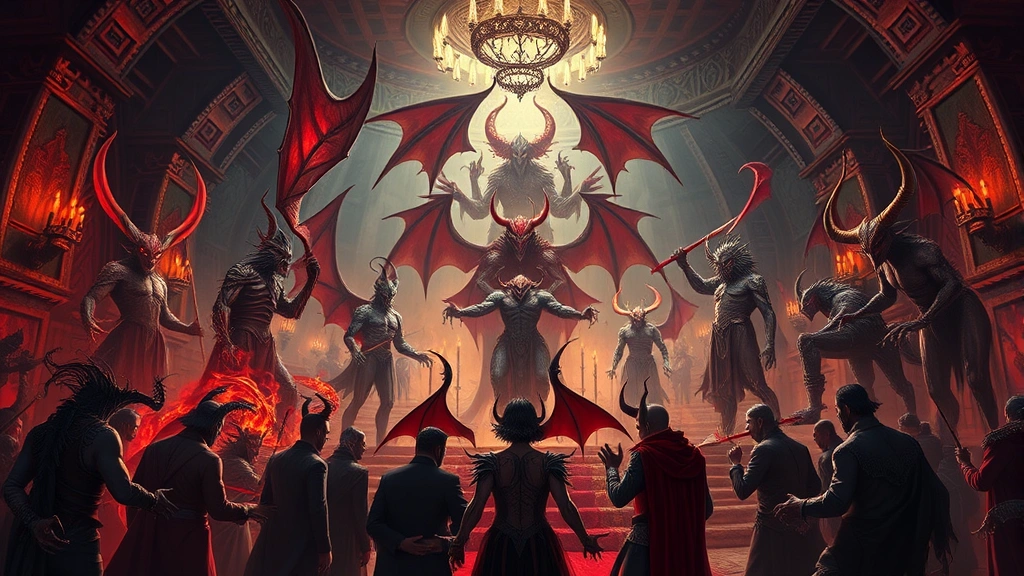
Hell’s social structure includes various demon types, from common imps to powerful overlords and royalty. Your OC fits somewhere in this hierarchy, which affects their resources, influence, and social standing. Consider whether your character is trying to climb the ladder, maintain their position, or operate outside traditional power structures entirely. This framework provides the foundation for everything else you’ll develop.
Defining Your OC’s Core Concept
Every strong OC starts with a clear core concept. This is the fundamental idea that drives your character—their central purpose, defining trait, or the reason they exist in the narrative. Your core concept should be specific enough to guide creative decisions but flexible enough to allow character development.
Consider what sin your character embodies. While not every demon must represent a deadly sin, many do in Hazbin Hotel’s framework. Is your character driven by wrath, gluttony, lust, greed, sloth, envy, or pride? Or do they represent something more nuanced? Some characters might embody multiple sins or represent vices that don’t fit traditional categories. Alastor, for instance, represents more than simple pride—his character encompasses ambition, manipulation, and a complex relationship with control.
Ask yourself these foundational questions: What is your character’s primary goal? What do they want more than anything else? What are they willing to do to achieve it? What would they never do? These questions establish the character’s driving force and create natural conflict that makes them interesting to write and read about.
Designing Your Character’s Appearance
Visual design is crucial in Hazbin Hotel. The show’s art style emphasizes distinctive, memorable character designs that communicate personality and role at a glance. Your OC’s appearance should be visually striking while fitting within the show’s aesthetic.
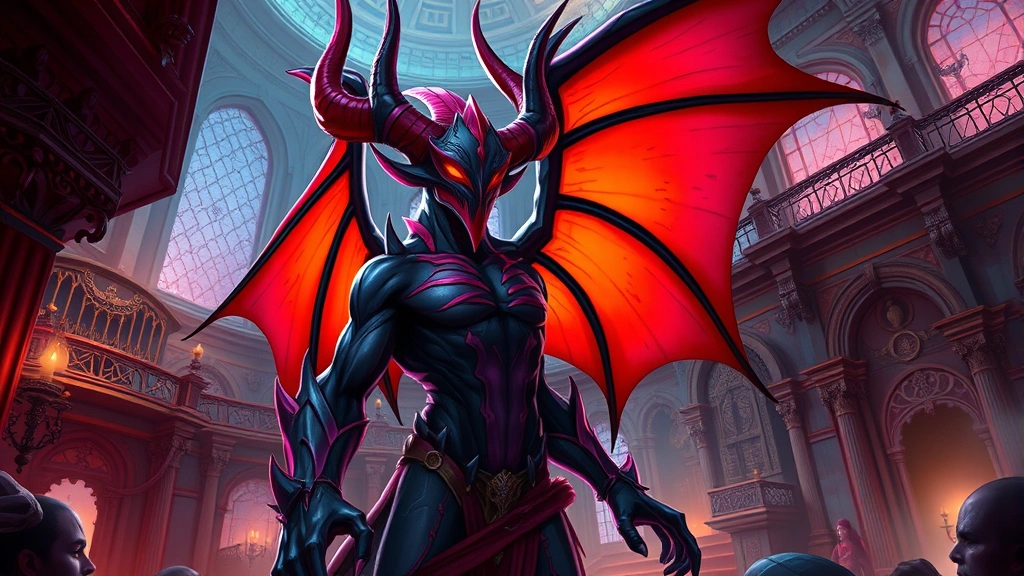
Start with a silhouette. Can someone identify your character from their shape alone? Hazbin Hotel characters often have distinctive proportions, unusual features, or striking color palettes. Consider whether your character is humanoid, animalistic, or something entirely different. Many demons incorporate animal features—horns, tails, wings, or other appendages—that reflect their nature or sin.
Color is incredibly important. The Hazbin Hotel palette includes rich, dramatic colors that often have symbolic meaning. Red, black, and dark purples dominate, but many characters feature unexpected color choices that make them memorable. Think about what colors suit your character’s personality and role. Warm colors might suggest passion or danger, while cool colors could indicate mystery or detachment.
Details matter enormously. Consider your character’s clothing style, accessories, and any unique markings or features. Do they wear formal attire suggesting wealth or status? Tattered clothes indicating struggle? Specialized clothing related to their profession or sin? Small details like jewelry, scars, or unusual eyes can make your design instantly recognizable and memorable.
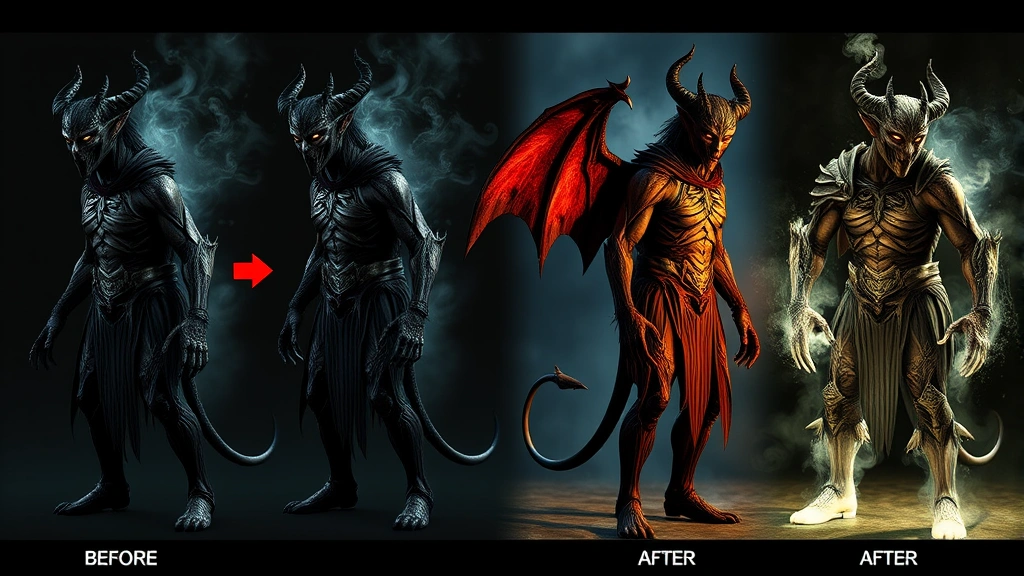
Remember that your character’s design should evolve with their story. If they’re seeking redemption at the Hazbin Hotel, their appearance might change as they transform. If they’re a powerful overlord, their design should convey authority and confidence. The visual aspects of your character should reinforce their narrative arc.
Developing Personality and Motivations
A compelling character needs a personality that feels authentic and engaging. In the Hazbin Hotel universe, even demons can display vulnerability, humor, charm, and depth. Your OC shouldn’t be one-dimensional or purely evil—the most interesting characters in the show have contradictions and complexity.
Think about your character’s temperament. Are they hot-tempered and impulsive? Calculating and strategic? Charismatic and manipulative? Genuinely kind-hearted? Most characters are mixtures of traits that sometimes conflict with each other. Charlie’s optimism clashes with her naïveté. Alastor’s charm masks darker intentions. These contradictions create depth.
Motivations drive behavior and create conflict. Your character’s motivations should be understandable, even if you disagree with their methods. A character motivated purely by wanting to hurt others is less interesting than one motivated by survival, love, revenge, or redemption. Even antagonistic characters should have motivations that make sense within their worldview.
Consider your character’s relationships. How do they interact with others? Are they loyal or treacherous? Do they form genuine connections or manipulate people? Relationships reveal character and create opportunities for development. Think about who your character trusts, who they fear, who they resent, and who they care about. These relationships provide natural conflict and emotional stakes.
Humor and personality quirks make characters memorable. Many Hazbin Hotel characters have distinctive speech patterns, running jokes, or unusual habits. Your character might have an accent, use particular phrases, or have an unexpected passion. These details make characters feel alive and give them personality beyond their role in the plot. When considering accommodations for your character in Hell, you might imagine them staying at luxurious venues—much like how humans seek out hotels with jacuzzi for comfort and relaxation.
Creating a Compelling Backstory
Your character’s backstory explains how they became who they are. A strong backstory provides motivation, informs personality, and creates opportunities for character development and revelation. Your OC’s backstory should answer key questions about their past while leaving room for discovery and growth.
First, consider how your character died and what sin led them to Hell. Were they a criminal, a victim of circumstance, or someone whose choices gradually led them astray? Did they die centuries ago or recently? The time period of their death affects their perspective, accent, and cultural references. A character who died in 1920s New Orleans will have different knowledge and worldview than one who died in modern times.
Think about your character’s life before Hell. Did they have family, loves, or meaningful relationships? Were they wealthy or struggling? Educated or self-taught? Respected or despised? Their pre-Hell life shapes their values and goals in the afterlife. Some characters might seek redemption because they regret their past; others might be bitter about their fate and seek revenge.
Consider what happened to your character after arriving in Hell. Did they immediately find their place in Hell’s hierarchy? Did they struggle and fight their way up? Did they meet important people who influenced their development? Hell’s society has existed for millennia, and your character’s position in it reflects their history there. When imagining your character’s living situation in Hell, you might picture them in elaborate demonic residences—similar to how you’d research in-room jacuzzi hotel rooms for comfort and luxury.
Trauma and wounds are important. What experiences scarred your character? What are they trying to escape or overcome? The most compelling characters carry emotional baggage that affects their decisions and relationships. This doesn’t mean your character must be tortured—they might have healed from their past—but understanding their wounds creates depth and empathy.
Establishing Powers and Abilities
In the Hazbin Hotel universe, demons possess supernatural powers that vary based on their nature, sin, and power level. Your OC’s abilities should reflect their character while being balanced enough to create meaningful conflict.
Consider what powers make sense for your character. A demon of wrath might have superhuman strength or fire manipulation. One embodying lust might have charm or persuasion abilities. A gluttony demon might consume matter or grow stronger by consuming. However, avoid making powers too generic or overpowered. The most interesting abilities have limitations and consequences.
Think about your character’s level of power. Are they a low-level demon, mid-tier, or powerful overlord? This affects their abilities, influence, and role in stories. More powerful characters face different challenges—they have more resources but also more enemies, more responsibility, and more to lose. Less powerful characters might be scrappy underdogs with something to prove.
Limitations make abilities interesting. What are your character’s weaknesses? What drains their power? What are they vulnerable to? A character who can do anything is boring; a character who must make difficult choices about power usage is compelling. Maybe your character’s powers come with a cost, require specific conditions, or conflict with their personality.
Special skills matter too. Beyond supernatural abilities, what is your character skilled at? Are they a fighter, manipulator, artist, or strategist? These mundane skills often matter more than flashy powers in creating interesting stories and character interactions. A character who is brilliant at negotiation might be more valuable than one with destructive power.
Integrating Your OC Into the World
A great OC fits naturally into the Hazbin Hotel world. They should interact with existing characters and locations in ways that feel organic and create meaningful stories. Integration means your character isn’t isolated but connected to the broader narrative.
Consider your character’s relationship to the Hazbin Hotel itself. Are they a resident? Do they work there? Are they skeptical or supportive of Charlie’s mission? Your character’s stance on redemption affects how they interact with the hotel and its inhabitants. Even characters who don’t stay at the hotel might have opinions about it.
Think about which existing characters your OC would naturally interact with. Would they be allies with Charlie, Vaggie, or others? Would they clash with antagonists like Alastor or the Cherubs? Natural relationships create story opportunities and help your character feel connected to the established world. You might even imagine your character seeking refuge in comfortable spaces—similar to how someone might search for hotel with jacuzzi in room near me for relaxation.
Consider your character’s role in Hell’s economy and society. What do they do? Are they a business owner, employee, criminal, or something else? How do they interact with Hell’s infrastructure? These practical details ground your character in the world and create opportunities for interesting conflicts and stories.
Think about your character’s stance on major themes the show explores. Do they believe redemption is possible? What do they think about Heaven and Hell’s relationship? Do they have opinions on demon rights or Hell’s social structure? Your character’s philosophy makes them feel like a real inhabitant of this world with genuine beliefs and perspectives.
Common Mistakes to Avoid
When creating your Hazbin Hotel OC, avoid these common pitfalls that can weaken your character:
- Making them too similar to existing characters: While it’s natural to be influenced by established characters, your OC should be distinct. Avoid creating a character who’s basically a copy of Alastor, Charlie, or other main characters with minor tweaks.
- Making them overpowered: A character with no weaknesses or limitations isn’t interesting. Powerful characters should have meaningful constraints that create conflict.
- Ignoring character flaws: Perfect characters are boring. Your OC should have genuine flaws that create conflict and opportunities for growth.
- Inconsistent characterization: Your character’s behavior should be consistent with their established personality unless they’re actively changing. Random mood shifts feel cheap.
- Underdeveloped backstory: A backstory that’s too vague or generic makes your character feel hollow. Invest time in creating specific, meaningful history.
- Ignoring the show’s tone: Hazbin Hotel balances dark themes with humor and heart. OCs that are purely grimdark or purely comedic might not fit the aesthetic.
- Making design choices without reason: Every visual element should serve a purpose. Random design choices that don’t reflect personality or story feel disconnected.
- Isolating your character: An OC who doesn’t interact meaningfully with the world or other characters feels like they don’t belong. Integration is key.
For additional inspiration on creating characters with distinctive living spaces and preferences, you might explore concepts like hotels with electric vehicle chargers, which shows how character details extend to lifestyle choices.
FAQ
What makes a Hazbin Hotel OC feel authentic?
An authentic Hazbin Hotel OC has depth, complexity, and clear motivation. They should fit into the show’s world naturally, have a distinct visual design, and possess personality quirks that make them memorable. Authenticity comes from understanding the show’s themes and creating a character that explores them meaningfully.
Can my OC be good or evil?
Absolutely. Hazbin Hotel features characters across the moral spectrum. Your OC can be genuinely good, genuinely evil, or morally gray. What matters is that their alignment feels authentic to their character and creates interesting stories.
Should my OC be related to existing characters?
This is your choice, but be careful. Giving your OC a connection to established characters can create interesting dynamics, but it can also feel forced or make your character feel like they exist only in relation to someone else. If you create family connections, make sure they’re meaningful to your character’s story, not just a way to justify their existence.
How do I make my OC’s design visually striking?
Focus on distinctive silhouette, memorable color palette, and specific details that reflect personality. Study Hazbin Hotel’s art style and identify what makes characters visually interesting. Avoid generic designs and instead create something unique that communicates who your character is at a glance.
What if my OC seems boring?
If your character feels flat, add contradictions and complexity. Give them conflicting desires or beliefs. Add flaws that create meaningful conflict. Develop relationships that challenge them. Sometimes boring characters just need more depth and stakes. Revisit their motivation and ask if it’s compelling enough to drive an interesting story.
Can I change my OC after creating them?
Absolutely. Character development is natural and healthy. As you write or roleplay with your OC, you’ll discover new facets of their personality and might want to adjust aspects of their design or backstory. This iterative process creates better, more nuanced characters. Many creators refine their OCs over time as they understand them better.