Affordable Stays in Pigeon Forge? Local Insights on Budget-Friendly Accommodations
Pigeon Forge, Tennessee has become one of the most popular tourist destinations in the United States, attracting millions of visitors annually to its mountain attractions, entertainment venues, and family-friendly activities. However, the surge in tourism has driven accommodation prices upward, making budget lodging a genuine concern for cost-conscious travelers. Whether you’re planning a family vacation, a romantic getaway, or a mountain retreat, finding cheap hotels in Pigeon Forge TN requires strategy, timing, and insider knowledge about the local hospitality market.
The good news is that affordable options do exist throughout Pigeon Forge and its surrounding areas. From budget motel chains to independent properties offering exceptional value, savvy travelers can enjoy comfortable stays without depleting their vacation budgets. This comprehensive guide provides practical insights into navigating Pigeon Forge’s accommodation landscape, understanding seasonal pricing patterns, identifying legitimate budget properties, and maximizing your travel investment through proven booking strategies and local knowledge.
Understanding Pigeon Forge’s Accommodation Market
Pigeon Forge operates within a unique hospitality ecosystem shaped by seasonal tourism, regional attractions, and economic factors affecting both supply and demand. The town’s accommodation market segments into distinct pricing tiers, with budget properties representing the most accessible category for visitors prioritizing cost over luxury amenities. Understanding how this market functions helps travelers identify genuine value versus misleadingly cheap options that sacrifice essential comfort and cleanliness standards.
The hospitality market in Pigeon Forge experiences dramatic fluctuations throughout the calendar year. Peak seasons—summer vacation (June through August), fall foliage season (September through October), and holiday periods (November through December)—see occupancy rates exceeding 85% and room rates doubling or tripling compared to off-season pricing. Conversely, winter months (January through February) and early spring (March through April) offer substantially reduced rates as visitor volume drops significantly. Budget-conscious travelers who maintain scheduling flexibility can capitalize on these seasonal variations, securing rooms for 40-60% less during slower periods.
The competitive landscape includes national budget chains, regional motel operators, and independent family-owned properties. Each category serves different traveler needs and preferences. National chains like budget hotel options throughout Tennessee provide consistency and brand familiarity, while independent properties often offer personalized service and competitive pricing tailored to local market conditions. Understanding these distinctions enables travelers to match their priorities—whether emphasizing reliability, local character, or absolute lowest cost—with appropriate accommodation choices.
Budget Hotel Chains and Where to Find Them
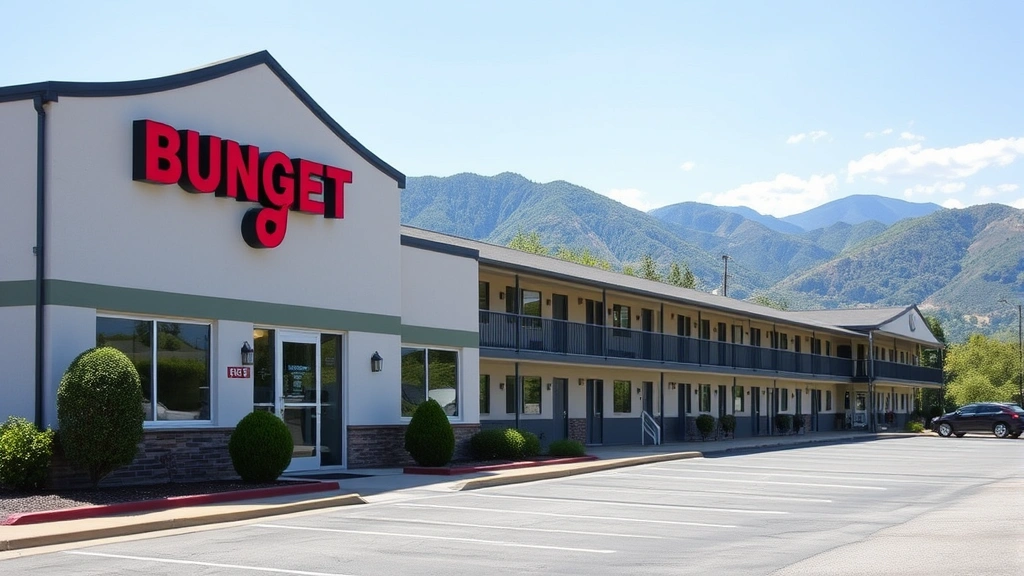
Several established budget hotel chains maintain significant presence in Pigeon Forge, offering reliable standards at reduced rates compared to mid-range and upscale properties. These chains include Motel 6, Red Roof Inn, Super 8, Days Inn, and Econo Lodge, each providing fundamental amenities like private bathrooms, climate control, cable television, and complimentary parking. Chain properties typically maintain consistent cleanliness standards, enforce professional management practices, and provide customer service accountability through corporate oversight mechanisms.
Motel 6 locations in Pigeon Forge generally offer rooms starting around $40-70 per night during off-season, with rates escalating substantially during peak periods. These properties focus on no-frills functionality—clean rooms, working facilities, and convenient locations—without premium amenities like swimming pools or complimentary breakfast. Red Roof Inn maintains similar pricing structures and service philosophies, emphasizing affordability and accessibility for budget-conscious families. Super 8 properties typically occupy the slightly higher end of budget category, incorporating modest amenities like complimentary breakfast and basic fitness facilities while maintaining competitive pricing.
Days Inn and Econo Lodge franchises throughout the Pigeon Forge area frequently offer promotional rates, package deals, and loyalty discounts that significantly reduce published room rates. Contacting properties directly often yields better pricing than online booking platforms, as managers possess flexibility to negotiate rates, especially during slower booking periods. Many budget chains participate in loyalty programs providing members with discounted rates, free room upgrades, and complimentary amenities—benefits that accumulate across multiple stays and enhance overall value propositions.
When evaluating budget chain properties, review recent guest feedback on independent platforms like TripAdvisor and Google Reviews rather than relying solely on official marketing materials. Specific feedback about cleanliness, noise levels, maintenance conditions, and staff responsiveness provides invaluable insight into actual guest experiences. Properties with consistent four-star ratings and responsive management to guest concerns generally deliver better experiences than those with numerous complaints about fundamental issues like cleanliness or noise disturbances.
Seasonal Pricing Patterns and Best Times to Book
Pigeon Forge’s accommodation pricing follows predictable seasonal patterns shaped by school calendars, holiday periods, and regional weather conditions. Understanding these patterns enables strategic booking that maximizes savings while maintaining flexibility around personal schedules. Off-season periods—particularly January through February and mid-April through May—consistently offer the lowest rates, sometimes reaching 50-60% discounts compared to peak season pricing.
Winter months present the most significant savings opportunities, though weather can be unpredictable in Tennessee mountains. January and early February typically see occupancy rates plummeting as post-holiday travel demand evaporates and harsh winter weather discourages outdoor activities. However, visitors who tolerate potential snow, icy conditions, and limited outdoor recreation often discover exceptional room rates and minimal crowds at major attractions. Many properties offer winter specials specifically targeting budget-conscious travelers, with rates sometimes dropping below $35 per night for basic accommodations.
Spring shoulder season (late April through May) offers excellent value combinations—pleasant weather, lower accommodation rates, and moderate tourist volumes. Schools remain in session, limiting family travel, while summer vacation hasn’t commenced. This period represents an underutilized opportunity for couples, retirees, and flexible travelers seeking ideal weather conditions with minimal rate inflation. Similarly, early fall (late August through early September) before school-year rhythm fully establishes offers transitional pricing and moderate visitor volumes.
Advance booking strategies vary by season. During peak periods, booking 4-6 weeks ahead typically secures better rates than last-minute reservations, as demand drives prices upward as check-in dates approach. Conversely, during off-season periods, last-minute bookings sometimes yield superior rates as properties discount rooms to fill occupancy. Flexibility regarding exact dates—shifting travel by even one or two days—can produce dramatic savings, as weekend rates substantially exceed weekday pricing year-round.
Holiday periods require distinct strategies. While Thanksgiving and Christmas weeks command premium pricing, the week immediately following Christmas (December 26-31) and early January often see surprising rate reductions as holiday travel concludes. Similarly, New Year’s Eve and surrounding dates attract premium pricing, but mid-January through Valentine’s Day offers substantial discounts. Monitoring rate calendars on booking platforms allows travelers to identify unexpected price drops and capitalize on promotional offerings.
Alternative Accommodations Beyond Traditional Hotels
Beyond conventional hotel properties, alternative accommodation options provide competitive pricing and unique advantages for budget-conscious travelers. Vacation rental platforms like Airbnb and VRBO offer apartments, cabins, and houses throughout Pigeon Forge and surrounding mountain communities, often providing superior value for groups and extended stays. These properties frequently feature full kitchens, multiple bedrooms, and living spaces exceeding hotel room configurations, enabling cost reduction through self-catering and shared expenses among group members.
Vacation rentals particularly benefit families and groups planning multi-day stays. A three-bedroom cabin renting for $100-150 nightly provides significantly better value than three separate hotel rooms at $50-70 each, while offering kitchen facilities that reduce meal expenses. Many properties include utilities, parking, and basic amenities in listed rates, eliminating surprise charges common with traditional hotels. However, vacation rentals require careful platform review, as quality and cleanliness standards vary considerably among independent owners.
Hostels and budget-oriented shared accommodations have emerged in Pigeon Forge, offering dormitory-style rooms at prices ranging from $20-40 per person nightly. These options appeal particularly to solo travelers, backpackers, and young adults comfortable with shared facilities. Many hostels provide communal kitchens, social spaces, and organized activities facilitating guest connections, adding value beyond basic accommodation. However, shared facilities and limited privacy require comfort with communal living arrangements.
Mountain cabin rentals through platforms like Cabin Fever and local property management companies offer alternative aesthetics and experiences compared to traditional hotels. Many independent cabin owners provide competitive pricing, especially during off-season periods, while delivering rustic mountain charm and self-contained facilities. Smaller properties operated by local families frequently offer personalized service and flexibility regarding cancellations, early check-ins, and special requests—advantages unavailable through corporate hotel chains.
Camping and RV facilities represent ultimate budget options for travelers with appropriate equipment. Pigeon Forge area campgrounds offer sites ranging from $15-35 nightly, providing economical accommodation for families with camping experience and equipment. Tennessee state parks and private campground networks maintain maintained facilities, amenities, and safety standards. For RV travelers, full-hookup sites typically cost $25-50 nightly, substantially less than hotel rooms while providing self-contained living arrangements.
Money-Saving Strategies for Pigeon Forge Stays
Beyond selecting budget properties and booking during off-season periods, numerous strategies amplify savings and enhance overall trip value. Membership discounts through organizations like AAA, AARP, military affiliations, and professional associations frequently provide 10-20% rate reductions at participating hotels. These discounts apply year-round, compounding with promotional rates and special offers. Verifying eligibility and mentioning memberships during booking ensures discount application.
Loyalty programs operated by major hotel chains accumulate points across stays, translating into complimentary rooms, upgrades, and amenities. Even budget travelers visiting Pigeon Forge multiple times benefit substantially from program enrollment, gradually earning rewards offsetting future accommodation costs. Many programs offer accelerated earning during promotional periods, enabling faster point accumulation toward meaningful rewards.
Package deals combining accommodation with attraction tickets frequently provide superior value compared to separate purchases. Many Pigeon Forge hotels partner with local attractions—Dollywood, Gatlinburg attractions, adventure activities—offering bundled pricing that reduces overall trip costs. These packages particularly benefit families planning multiple attraction visits, as bundle discounts often exceed 15-25% compared to individual ticket and room purchases.
Direct property contact often yields better rates than online booking platforms. Hotel managers maintain flexibility to negotiate rates, especially during slow booking periods, and can offer loyalty discounts, complimentary upgrades, extended stays discounts, and other incentives unavailable through third-party booking sites. Building relationships with preferred properties through repeat visits encourages favorable treatment and preferential pricing.
Payment timing strategies impact overall costs. Booking well in advance during off-season periods typically secures lowest rates, while last-minute bookings during shoulder seasons sometimes yield promotional discounts. Using travel rewards credit cards earning bonus points on hotel bookings, dining, and attractions effectively reduces net accommodation costs through accumulated rewards. Timing card applications around planned trips maximizes bonus earning potential.
Flexible date selection produces dramatic savings. Weekend stays cost significantly more than weekday stays year-round, with Friday and Saturday premiums reaching 30-50% above midweek rates. Shifting travel to include midweek nights, even within longer trips, reduces overall accommodation costs. Similarly, visiting during less popular days—Tuesday through Thursday—costs substantially less than Monday, Friday, or weekend stays.
Location Considerations for Budget Travelers
Property location significantly impacts both price and convenience for Pigeon Forge visitors. Central Pigeon Forge locations—proximate to major attractions, restaurants, and entertainment venues—command premium pricing due to convenience and reduced transportation requirements. Budget travelers often discover superior value by selecting properties located slightly outside central tourist zones, requiring brief driving to major attractions but offering substantially reduced room rates.
Properties along the Parkway (US 441) vary considerably in pricing based on exact location. North Parkway locations, further from primary tourist clusters, typically offer 15-30% rate reductions compared to central Parkway properties. These locations remain accessible to attractions via brief drives (5-10 minutes) while avoiding premium pricing associated with prime Parkway frontage. South Parkway properties, approaching Gatlinburg, sometimes offer competitive rates while providing gateway access to both Pigeon Forge and Gatlinburg attractions.
Properties in adjacent communities—Sevier, Kodak, and surrounding areas—frequently offer significantly reduced rates compared to central Pigeon Forge locations. These communities, 5-15 minutes from major attractions, provide peaceful residential settings with economical accommodations. Staying slightly outside primary tourist zones offers advantages beyond cost reduction: quieter environments, reduced nighttime noise, and closer proximity to local restaurants frequented by residents rather than tourists. Trade-offs include brief driving requirements and potential inconvenience for families prioritizing walkability to attractions.
Highway accessibility matters for budget properties without central locations. Ensuring properties have convenient highway access, clear directions, and proximity to main attractions prevents frustration and excessive driving. Properties with poor signage, confusing access routes, or locations requiring circuitous navigation create negative guest experiences despite cost savings. Reviewing location maps and access descriptions before booking prevents unpleasant surprises upon arrival.
Neighborhood character and safety considerations apply regardless of budget category. Properties in well-maintained, actively managed areas provide superior experiences compared to those in deteriorating neighborhoods. Guest reviews frequently mention neighborhood conditions, safety perceptions, and overall area quality. Prioritizing properties in stable, well-regarded areas—even if requiring slightly higher rates—typically provides better overall value than selecting absolute lowest-cost options in questionable locations.
Quality Standards at Budget Properties
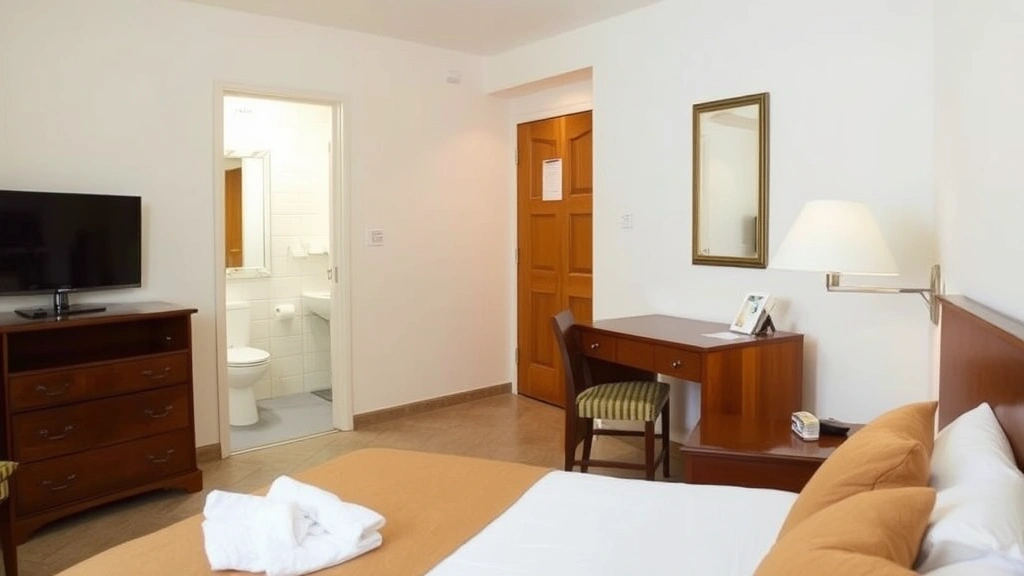
Budget accommodation necessarily involves trade-offs, but fundamental quality standards remain essential for satisfactory experiences. Clean, functioning rooms with working plumbing, adequate heating/cooling, comfortable beds, and reliable facilities constitute minimum acceptable standards regardless of price point. Properties failing to maintain these basics should be avoided despite attractive rates, as poor experiences diminish trip enjoyment and negate cost savings.
Cleanliness represents the most critical factor for budget property evaluation. Recent reviews mentioning dirty rooms, unkempt common areas, or maintenance issues indicate systematic problems warranting avoidance. Conversely, consistent praise for cleanliness despite budget pricing indicates management commitment to standards, suggesting reliable experiences. Upon arrival, conducting room inspections before unpacking enables identifying issues (stains, odors, non-functional fixtures) and requesting changes or alternative rooms before settling in.
Bed quality significantly impacts sleep quality and overall trip satisfaction. Budget properties may feature basic mattresses, but functional, reasonably comfortable beds remain essential. Guest reviews frequently mention bed quality—specific feedback about mattress condition, pillow quality, and sheet cleanliness provides reliable indicators of actual sleep experiences. Properties with consistent complaints about uncomfortable beds or poor sleep quality should be deprioritized despite cost advantages.
Bathroom functionality and cleanliness prove equally important. Working showers, clean facilities, adequate hot water, and functional toilets represent non-negotiable basics. Reviews mentioning bathroom issues—mold, mildew, water pressure problems, cleanliness concerns—suggest maintenance neglect. Budget properties may lack luxury amenities, but basic bathroom functionality remains essential for guest comfort.
Noise considerations matter substantially, particularly for families with children or light sleepers. Budget properties sometimes house transient populations or lack soundproofing, resulting in excessive noise from adjacent rooms, hallways, or external sources. Reviews mentioning noise issues, thin walls, or late-night disturbances indicate potential sleep disruption. Properties with quiet reputations, despite budget pricing, often provide superior experiences than cheaper alternatives in noisier settings.
Staff responsiveness and professionalism distinguish quality budget properties from problematic ones. Properties with responsive management addressing guest concerns, helpful staff, and attentive maintenance demonstrate commitment to guest satisfaction despite budget positioning. Conversely, properties with absent management, unhelpful staff, or neglected maintenance issues create frustrating experiences. Reviews highlighting staff helpfulness, problem resolution, and overall service quality indicate properties deserving consideration despite modest amenities.
Amenity transparency prevents disappointment. Budget properties legitimately lack premium features—fitness centers, restaurants, room service, concierge—but accurate descriptions prevent mismatched expectations. Properties honestly describing limitations and highlighting included amenities demonstrate integrity. Conversely, misleading descriptions, hidden fees, or bait-and-switch tactics indicate problematic operators warranting avoidance regardless of advertised rates.
FAQ
What’s the cheapest time to visit Pigeon Forge for accommodations?
January through February and mid-April through May consistently offer lowest accommodation rates, often 50-60% below peak season pricing. Winter months provide steepest discounts but involve weather unpredictability, while spring shoulder season combines pleasant weather with reasonable rates and moderate crowds.
Are budget hotels in Pigeon Forge safe and clean?
Quality varies significantly among budget properties. Researching recent guest reviews, checking cleanliness ratings, and selecting properties with consistent positive feedback regarding safety and maintenance ensures acceptable standards. Avoid properties with numerous complaints about cleanliness or safety issues regardless of advertised rates.
Can I find hotels under $50 per night in Pigeon Forge?
During off-season periods (January-February, mid-April through May), rooms under $50 nightly are available at budget chains like Motel 6, Red Roof Inn, and independent properties. Peak season rates rarely fall below $50 for legitimate accommodations. Last-minute bookings and direct property contact sometimes yield rates below $50 even during moderate seasons.
What are the best budget hotel chains in Pigeon Forge?
Motel 6, Red Roof Inn, Super 8, Days Inn, and Econo Lodge maintain consistent presence and reliable standards in Pigeon Forge. Each offers basic amenities at budget pricing. Comparing specific property reviews rather than relying on chain reputation ensures selecting well-maintained locations within each chain.
Do vacation rentals offer better value than hotels?
For groups and extended stays, vacation rentals often provide superior value through kitchen facilities, multiple bedrooms, and shared costs. Solo travelers or short stays typically find hotel rooms more economical. Comparing specific properties and total costs (including cleaning fees) determines best value for individual circumstances.
How far from attractions are budget properties typically located?
Budget properties range from central Parkway locations (walking distance to attractions) to peripheral areas requiring 10-15 minute drives. Properties slightly outside central zones typically offer 15-30% rate reductions while remaining accessible to attractions via brief drives. Consider convenience preferences when evaluating location trade-offs.
Are there hidden fees at budget hotels I should anticipate?
Budget hotels typically include parking and basic amenities in room rates without additional charges. However, some properties charge resort fees, facility fees, or pet fees. Confirming all-inclusive pricing before booking prevents unwelcome surprises. Reading fine print and contacting properties directly clarifies fee structures.
What should I check in a budget hotel room immediately upon arrival?
Inspect cleanliness, test plumbing and temperature controls, verify bed comfort, check door locks, and ensure functioning lighting and television. Identifying issues immediately enables requesting room changes or alternatives before unpacking. Documenting problems photographically protects against damage liability disputes.