Tribeca vs. FiDi Hotels: Local Insights for New York Travelers
Choosing between Tribeca and the Financial District (FiDi) for your New York City hotel stay involves more than just comparing room rates and amenities. These two iconic Lower Manhattan neighborhoods offer distinctly different experiences, from dining and nightlife to accessibility and neighborhood character. Whether you’re visiting for business, leisure, or a combination of both, understanding what each area delivers helps you make an informed decision that aligns with your travel priorities.
Both Tribeca and FiDi have undergone significant transformations over the past two decades. Tribeca has evolved from an industrial warehouse district into one of Manhattan’s most desirable residential and hospitality destinations, attracting celebrities, high-end restaurants, and boutique hotels. Meanwhile, FiDi has rebounded from its post-2001 slump to become a vibrant neighborhood with waterfront parks, diverse dining options, and increasingly sophisticated lodging choices. Understanding the nuances of each neighborhood helps travelers maximize their New York experience.
Neighborhood Character and Atmosphere
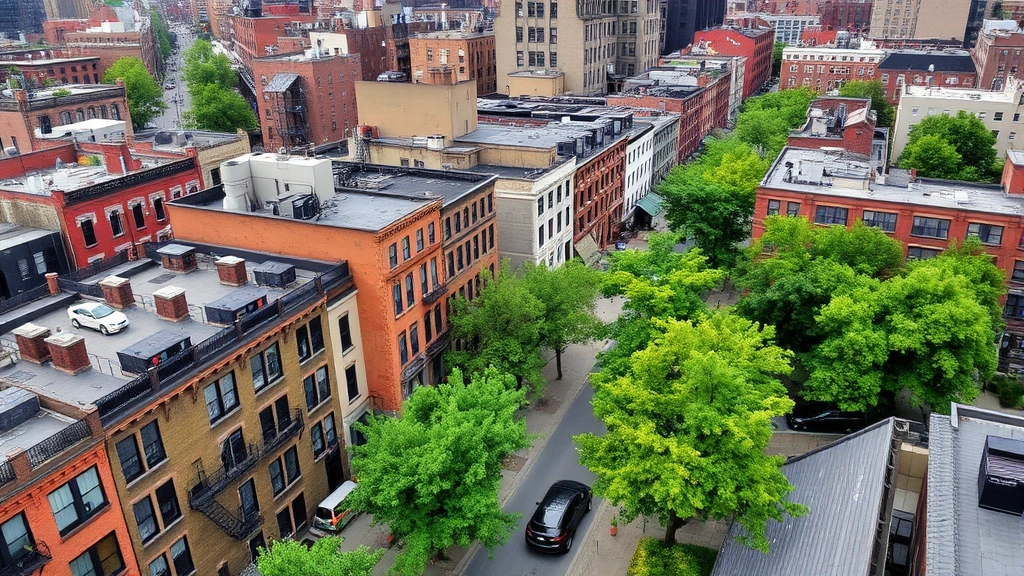
Tribeca exudes sophistication and exclusivity. The neighborhood’s tree-lined streets, converted loft buildings, and cobblestone areas create a distinctly European feel in the heart of Manhattan. You’ll notice the quieter pace compared to midtown, with fewer chain stores and more independent boutiques. The area attracts creative professionals, entertainment industry figures, and affluent families who appreciate the neighborhood’s artistic heritage and residential quality. The Tribeca Film Festival, held annually, underscores the area’s cultural significance and creative energy.
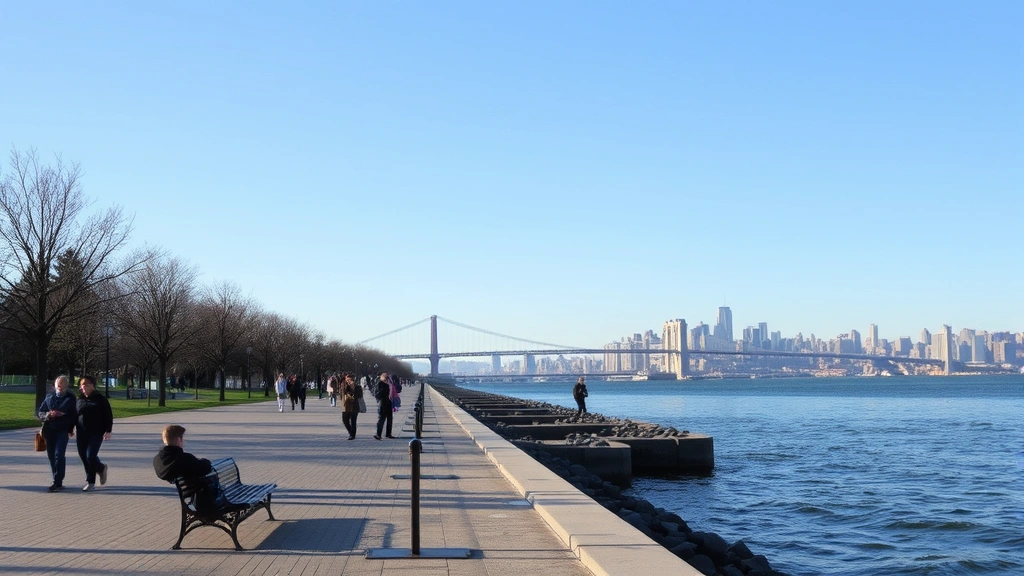
The Financial District presents a different character entirely. While it’s historically been defined by its towering office buildings and financial institutions, the neighborhood has reinvented itself as a more livable, diverse destination. Battery Park offers waterfront serenity with views of the Statue of Liberty and Ellis Island. The neighborhood maintains a more corporate, business-oriented feel during weekdays but transforms into a more relaxed area on weekends. You’ll find a blend of old and new—historic buildings like the Oculus shopping center and the 9/11 Memorial & Museum alongside modern residential towers.
Tribeca’s residential character means fewer late-night crowds and a more intimate atmosphere, while FiDi’s waterfront location and public spaces create a more open, expansive feeling. Choose Tribeca if you prefer quieter sophistication; choose FiDi if you want easier access to waterfront attractions and a more dynamic, evolving neighborhood.
Accommodation Options and Pricing
Tribeca’s hotel landscape skews toward luxury and boutique properties. You’ll find high-end establishments like the Tribeca Lofts-style hotels and converted historic buildings offering unique accommodations. Room rates in Tribeca typically range from $250 to $600+ per night for quality hotels, with luxury properties commanding premium prices. The neighborhood has fewer large chain hotels, which means fewer budget options but more distinctive, character-filled stays. Booking hotels with scenic views is particularly rewarding here, as many Tribeca properties showcase neighborhood architecture and skyline vistas.
The Financial District offers greater accommodation diversity. You’ll find everything from budget-friendly chains to luxury properties, with rates ranging from $150 to $500+ per night depending on the property. The waterfront area near Battery Park commands higher prices, while hotels slightly inland offer better value. FiDi’s growth has brought new hotels catering to business travelers and tourists alike, providing more options across price points. This variety makes FiDi more accessible for budget-conscious travelers while still offering luxury experiences.
Both neighborhoods have seen increased hotel development in recent years. Tribeca’s offerings tend toward exclusive, limited-room properties, while FiDi has attracted larger hospitality chains. If budget flexibility is important, FiDi provides more options. If you’re seeking a distinctive, high-end experience, Tribeca delivers unparalleled character and prestige.
Dining and Nightlife Scenes
Tribeca’s culinary reputation is legendary. The neighborhood hosts some of Manhattan’s most acclaimed restaurants, from fine dining establishments with Michelin stars to casual neighborhood gems. The dining scene emphasizes quality over quantity, with restaurants often requiring advance reservations and commanding premium prices. You’ll find everything from French bistros to contemporary American cuisine, Japanese restaurants to Italian trattorias. The neighborhood’s food culture reflects its affluent, sophisticated demographic.
Nightlife in Tribeca tends toward upscale lounges, wine bars, and exclusive clubs rather than raucous bars. The atmosphere is more refined and less party-focused compared to other Manhattan neighborhoods. Late-night dining options cater to the entertainment industry crowd, with some restaurants staying open past midnight. The vibe is decidedly grown-up and sophisticated.
The Financial District’s dining landscape has evolved dramatically. While it still caters to business lunches and quick weekday meals, the neighborhood now features diverse, quality restaurants. Battery Park’s waterfront restaurants offer scenic dining experiences with views of the harbor. You’ll find more casual options, international cuisines, and emerging chef-driven restaurants. Prices are generally lower than Tribeca, and reservations are often easier to secure.
FiDi’s nightlife is more casual and diverse. You’ll find everything from craft cocktail bars to dive bars, breweries to wine lounges. The scene feels less exclusive and more welcoming to casual visitors. Weekend crowds bring more energy, while weekday evenings can feel quieter as office workers head home. The neighborhood’s growing residential population has supported more casual dining and drinking establishments.
For serious foodies seeking prestigious dining experiences, Tribeca is unmatched. For those wanting diverse, quality dining with a more relaxed atmosphere and better value, FiDi offers excellent options with less pretension.
Transportation and Accessibility
Both neighborhoods benefit from Lower Manhattan’s comprehensive transit infrastructure, but accessibility patterns differ. Tribeca is served by the 1, 2, 3 subway lines (which run along Broadway) and the A, C lines (which run along the western edge). The neighborhood’s more residential character means fewer direct transit connections to some areas, and you may need to walk several blocks from the nearest station to reach some hotels. However, the neighborhood’s walkability makes this manageable. Taxi and rideshare services are readily available, though surge pricing can apply during peak hours.
The Financial District has excellent transit connectivity with the 1, 2, 3, 4, 5 lines (near City Hall), the A, C lines (near Chambers Street and the World Trade Center), and the R, W lines (near the Oculus). Battery Park is also served by the Staten Island Ferry terminal. This superior transit access makes FiDi more convenient for reaching other neighborhoods quickly. The area’s broader street grid and more numerous transit stations mean you’re rarely more than a short walk from subway access. This advantage is particularly significant if you’re using public transportation extensively.
For visitors renting cars, both neighborhoods present challenges—parking is expensive and scarce. FiDi’s proximity to the West Side Highway and East Side Highway makes driving to outer boroughs slightly easier, but Manhattan traffic makes this option generally undesirable. Most visitors rely on taxis, rideshare, or public transit.
If transit access and neighborhood walkability are priorities, both areas excel, but FiDi has a slight advantage due to more numerous subway stations. Tribeca’s more intimate scale means longer walks but a more pleasant, less congested walking environment.
Business Travel Considerations
Business travelers have different priorities than leisure visitors, and the two neighborhoods serve business needs differently. Tribeca appeals to creative industry professionals—advertising, media, entertainment, fashion. The neighborhood hosts numerous creative agencies, production companies, and media offices. If your business meetings are in these sectors, Tribeca offers authentic immersion in the creative industry ecosystem. The neighborhood’s restaurants and lounges provide excellent venues for business entertaining, and the sophisticated atmosphere impresses clients.
However, Tribeca has fewer large hotels with extensive business facilities. If you need significant meeting space, business centers, or high-speed internet infrastructure, you may find FiDi’s larger hotels more equipped. Tribeca hotels often emphasize room quality and location over business amenities.
The Financial District is the traditional business travel destination for corporate visitors. The neighborhood hosts financial services companies, law firms, and corporate headquarters. If your business is in finance, legal services, or corporate sectors, FiDi is the logical choice. Hotels here offer extensive business facilities, meeting spaces, and services catering to corporate travelers. The neighborhood’s business infrastructure is unmatched—everything from FedEx offices to corporate dining to high-speed internet is readily available.
FiDi also offers better hotel density, meaning more options for corporate rates, loyalty program benefits, and consistent service standards. If you’re booking through a corporate travel program, you’ll likely find more FiDi options with negotiated rates.
For creative industry business travel, Tribeca is ideal. For traditional corporate business travel, FiDi is the superior choice with better infrastructure and more appropriate business culture.
Attractions and Activities
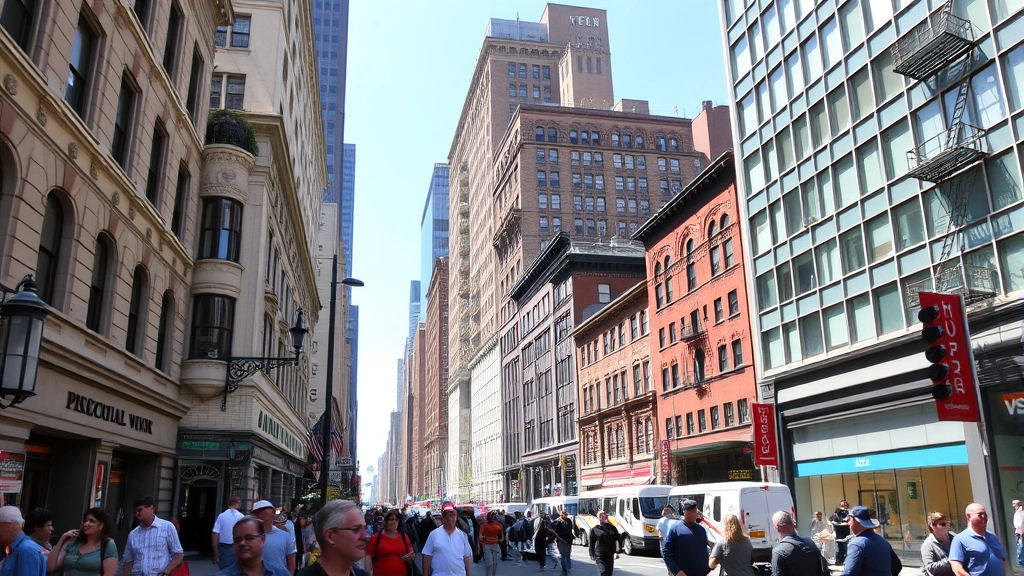
Tribeca’s attractions center on the neighborhood itself and nearby areas. The Tribeca Film Festival occurs annually in spring, drawing cinephiles and industry professionals. The neighborhood’s galleries, boutiques, and independent shops provide excellent browsing. While Tribeca lacks major museums within its boundaries, you’re close to the Hudson River Greenway, which offers excellent walking and biking paths. The neighborhood’s residential character means attractions are more subtle—appreciating the architecture, discovering neighborhood restaurants, and exploring side streets.
Nearby attractions include the World Trade Center (just east), Battery Park, and the New York Public Library’s main branch in Midtown. Walking south from Tribeca brings you to the Financial District’s attractions naturally. The neighborhood serves as an excellent base for exploring lower Manhattan without being the primary attraction itself.
The Financial District’s attractions are more numerous and significant. Battery Park offers waterfront walks, the Battery Park City Esplanade, and stunning views. The 9/11 Memorial & Museum provides powerful historical context and moving exhibits. The Oculus at the World Trade Center combines shopping, dining, and architectural significance. The Staten Island Ferry, departing from nearby, offers one of New York’s best free attractions—a scenic harbor crossing with Statue of Liberty views.
The Financial District also provides excellent access to nearby attractions: the Statue of Liberty and Ellis Island (via ferry), the Brooklyn Bridge (walkable), and the South Street Seaport (adjacent). The neighborhood’s waterfront location makes it ideal for visitors prioritizing outdoor activities and scenic views.
If attractions and activities are important, FiDi offers more within the neighborhood itself. If you prefer using your hotel as a quiet base for exploring other areas, Tribeca’s central location and calm atmosphere are advantageous.
Seasonal Considerations
Both neighborhoods experience distinct seasonal patterns that affect visitor experience. Spring and fall are ideal for both areas. Tribeca’s tree-lined streets are particularly beautiful during spring blooms and fall foliage. The weather encourages walking and outdoor exploration. Spring brings the Tribeca Film Festival, creating energy and excitement. FiDi’s waterfront areas are most enjoyable during pleasant weather when outdoor seating and park areas are fully utilized.
Summer brings different dynamics. Tribeca’s residential population partly disperses to summer homes, potentially making the neighborhood quieter. However, summer weather brings outdoor dining and street activities. FiDi’s waterfront becomes increasingly crowded with tourists, and Battery Park offers excellent summer evenings. Both neighborhoods can be hot and humid, though proximity to water (particularly in FiDi) provides some relief.
Winter presents contrasts. Tribeca’s quieter character persists, with excellent restaurant and indoor shopping options. The neighborhood’s holiday decorations create festive atmosphere. FiDi’s waterfront becomes windier and less appealing, though the neighborhood’s many indoor attractions remain accessible. Winter rates are generally lower in both areas.
For most visitors, spring and fall offer the best experiences in both neighborhoods. Summer favors FiDi’s outdoor attractions, while winter works well for those preferring indoor activities and quieter exploration.
FAQ
Which neighborhood is better for first-time visitors to New York?
For first-time visitors, the Financial District has advantages due to proximity to iconic attractions like Battery Park, the 9/11 Memorial, and easy ferry access to the Statue of Liberty. However, Tribeca offers a more authentic neighborhood experience and excellent dining. Many visitors stay in FiDi for attractions and use Tribeca for evening entertainment.
Are there budget hotel options in Tribeca?
Budget options in Tribeca are limited. The neighborhood’s character and location command premium prices. Budget-conscious travelers should consider FiDi, which has more chains and lower average rates, or look at accommodations in nearby neighborhoods like SoHo or the Lower East Side.
How far apart are Tribeca and FiDi?
The neighborhoods are adjacent, separated roughly by Chambers Street. Walking from one neighborhood to the other takes 10-15 minutes. Staying in either neighborhood provides easy access to both areas’ attractions and restaurants.
Which area is safer?
Both neighborhoods are among Manhattan’s safest. Tribeca’s residential character and lower foot traffic contribute to a secure feeling. FiDi’s waterfront areas and public spaces are well-maintained and well-lit. Neither neighborhood presents safety concerns for visitors exercising normal urban precautions.
Can I find good value dining in Tribeca?
Tribeca’s dining scene emphasizes quality over value, with premium pricing throughout. However, excellent casual lunch spots, coffee shops, and neighborhood restaurants offer better value than dinner at acclaimed establishments. Visiting during lunch often provides access to top-chef kitchens at lower prices.
What’s the best way to experience both neighborhoods?
Many visitors stay in one neighborhood and explore both. Staying in FiDi provides better transit access and more diverse accommodation options while keeping you close to Tribeca’s restaurants and atmosphere. Staying in Tribeca offers a more refined experience while keeping Battery Park and FiDi attractions nearby. The neighborhoods’ proximity (10-15 minute walk) means location is less critical than in more distant Manhattan areas.