Public Housing vs. Hotels: Expert Comparison
The distinction between public housing and hotels represents two fundamentally different approaches to residential and temporary accommodation needs. While hotels serve travelers and short-term guests seeking comfort and convenience, public housing addresses the critical need for affordable, stable housing for low-income families and individuals. Understanding the differences between these two housing models is essential for policymakers, housing advocates, and citizens concerned with housing accessibility and affordability.
Public housing programs, primarily administered through HUD’s Public Indian Housing office, provide permanent residences for approximately 1.2 million Americans. In contrast, hotels operate as commercial hospitality enterprises designed for transient occupancy. This comprehensive comparison explores the structural, financial, and social dimensions of both housing models, helping stakeholders understand their roles in the broader housing landscape.
Understanding Public Housing Models
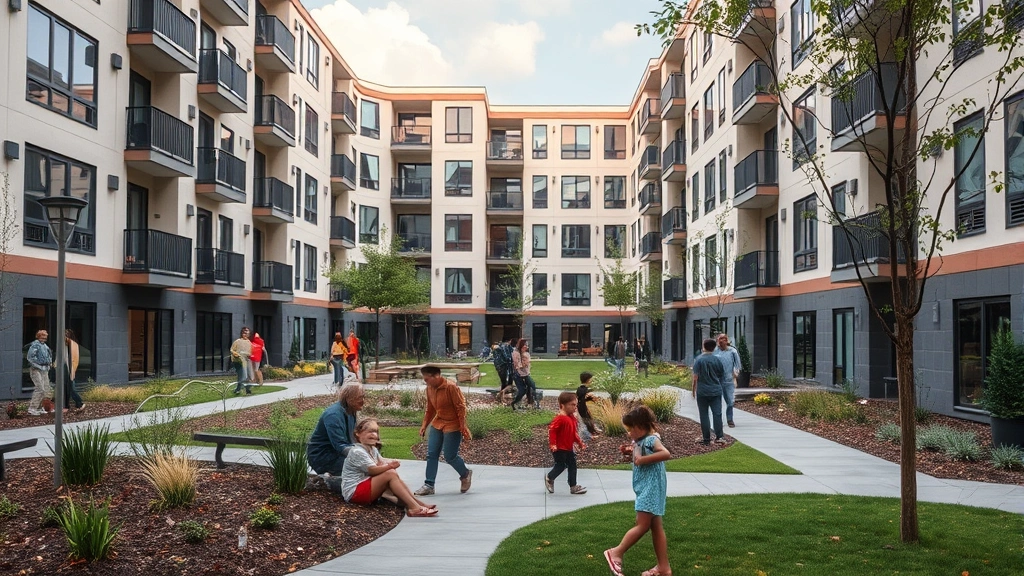
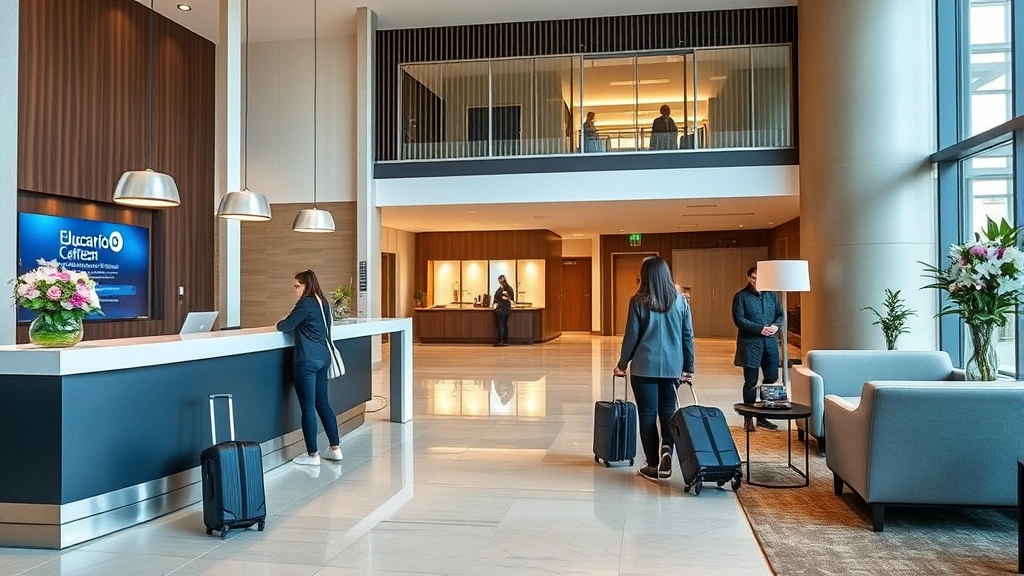
Public housing represents a government-supported residential solution designed to provide safe, decent housing for low-income households. These properties are owned and operated by local public housing authorities (PHAs) that receive federal funding through HUD’s Public Housing Program. Residents typically pay rent based on 30 percent of their household income, making housing more affordable than market-rate alternatives.
The public housing system includes various property types: traditional apartment complexes, townhouses, and single-family homes located throughout residential neighborhoods. Unlike temporary accommodations, public housing offers permanent residency with lease agreements typically lasting one year or longer. Residents gain stability, community connections, and long-term housing security—critical factors for family stability, children’s school attendance, and economic mobility.
Public housing authorities maintain strict eligibility requirements based on income levels, family size, and citizenship status. Once approved, residents enjoy consistent housing costs and legal protections under the Property Agent Hub Blog resources and local housing authority guidelines. The model emphasizes community development, social services integration, and neighborhood stabilization.
Hotel Accommodation Structures
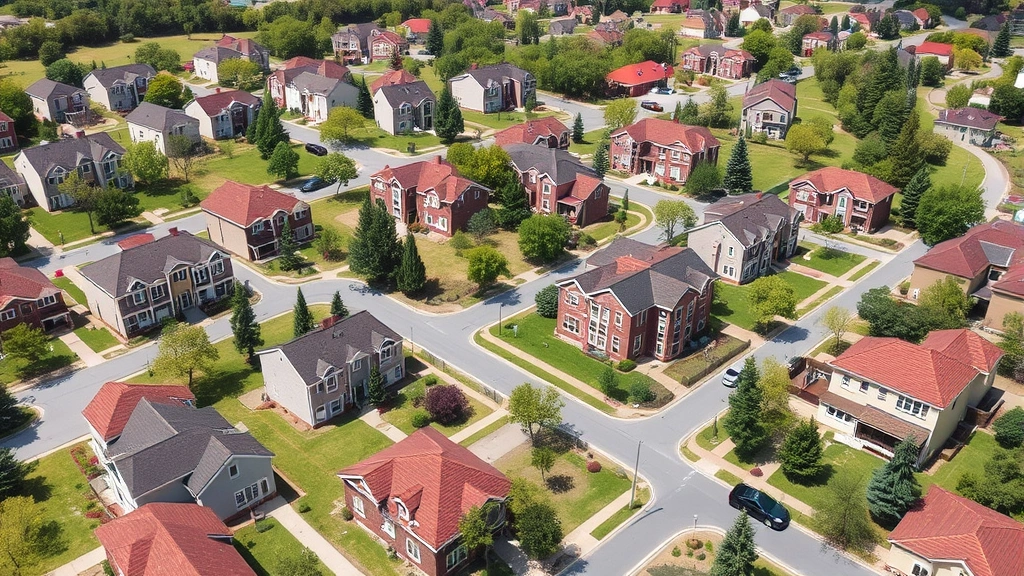
Hotels operate as commercial hospitality businesses providing temporary lodging for travelers, business professionals, and vacationers. Unlike the permanent housing focus of public housing, hotels are designed for short-term stays ranging from one night to several weeks. The hotel industry encompasses diverse property types: luxury establishments offering premium amenities, mid-range properties catering to business travelers, and budget accommodations serving cost-conscious guests.
Hotel operations emphasize guest services, including housekeeping, front desk support, and amenity management. Properties feature standardized room configurations, professional management systems, and commercial-grade maintenance protocols. The luxury hotels in New York City exemplify high-end hospitality standards, though the basic operational model remains consistent across price points.
Hotels maintain no ongoing tenant relationships; guests check out and are replaced by new arrivals. This transient nature eliminates the need for long-term community building or social service integration. Property management focuses on operational efficiency, guest satisfaction, and revenue optimization rather than affordable housing provision or tenant stability.
The distinction between different accommodation types is important; understanding the motel vs hotel comparison helps clarify how various hospitality models serve different market segments, though both remain fundamentally commercial rather than social housing solutions.
Financial Models and Cost Implications
Public housing financing operates through federal appropriations, local subsidies, and tenant rent contributions. The federal government provides capital funding for construction and modernization, while operating costs are covered through tenant rents and federal operating subsidies. This model ensures affordability for low-income residents while maintaining property standards.
Residents typically contribute 30 percent of their adjusted gross income toward rent, with the public housing authority covering remaining operational costs through federal funding. For a family earning $25,000 annually, this means approximately $625 monthly rent—significantly below market rates in most communities. This affordability structure directly supports economic stability, allowing residents to allocate resources toward healthcare, education, and employment advancement.
Hotel financing relies entirely on commercial revenue models. Room rates vary dramatically based on location, season, amenities, and market demand. Hotels with rooftop pools command premium pricing, reflecting their enhanced amenity offerings. Hotels generate revenue through nightly room rates, conference facilities, restaurants, and ancillary services. Profitability depends on occupancy rates, operational efficiency, and market positioning.
For individuals facing housing insecurity, hotel stays are financially prohibitive. A modest hotel room costing $100 nightly equates to $3,000 monthly—far exceeding public housing costs for equivalent or superior accommodations. This financial reality explains why public housing remains essential for low-income populations, while hotels serve entirely different market segments.
Capital requirements differ significantly: public housing relies on government bonds and federal grants, while hotels attract private investment seeking commercial returns. Operating models reflect these funding sources—public housing prioritizes affordability and stability, while hotels emphasize revenue maximization and guest satisfaction.
Tenant Rights and Protections
Public housing residents enjoy robust legal protections under federal housing law and local housing authority policies. Lease agreements provide due process protections, requiring authorities to prove lease violations before eviction. Residents cannot be evicted without written notice and opportunity for hearing, safeguarding housing stability.
Public housing authorities must follow fair housing laws prohibiting discrimination based on race, color, national origin, religion, sex, familial status, or disability. Residents have rights to reasonable accommodations, accessible units, and non-discriminatory treatment. These protections reflect public housing’s social mission: ensuring safe, decent housing regardless of background or status.
Residents can organize tenant associations, participate in authority governance through resident councils, and advocate for improved conditions. This democratic participation distinguishes public housing from commercial arrangements, empowering residents as stakeholders in their communities.
Hotel guests, conversely, have limited legal protections. Hotels operate as private businesses with broad authority to refuse service (with limited exceptions for protected classes). Guest stays are contractual arrangements without the tenant protections afforded public housing residents. Hotels can modify policies, increase rates, or request departure with minimal notice, reflecting their commercial nature.
The legal framework protecting public housing residents stems from their permanent residential status and vulnerability, while hotel guest relationships remain transactional. This fundamental difference reflects distinct purposes: public housing stabilizes vulnerable populations, while hotels provide temporary commercial services.
Infrastructure and Maintenance Standards
Public housing authorities must maintain properties meeting federal housing quality standards, including safe structures, adequate utilities, sanitary conditions, and lead-based paint compliance. Regular inspections ensure ongoing compliance, protecting resident health and safety. Modernization programs address aging infrastructure, incorporating contemporary standards for accessibility, energy efficiency, and resilience.
Maintenance approaches emphasize long-term sustainability. Public housing properties are designed and maintained for decades of occupancy, incorporating durable materials and systems supporting extended use. Modernization investments improve property conditions, reduce operational costs, and enhance resident quality of life.
Hotel maintenance focuses on guest experience and commercial operations. Daily housekeeping maintains cleanliness and comfort, while maintenance teams address mechanical systems supporting guest services. Standards vary by property class; family-friendly beach resorts maintain comprehensive amenities and services, while budget properties prioritize functional cleanliness.
Hotels prioritize aesthetic appeal and immediate functionality over long-term infrastructure sustainability. Frequent renovations update guest-facing areas, while mechanical systems receive reactive rather than proactive maintenance. This approach reflects commercial priorities: maximizing current guest satisfaction and revenue rather than ensuring multi-generational housing stability.
Pet policies illustrate maintenance philosophy differences. Public housing authorities establish clear pet policies balancing resident desires with property protection. Hotels similarly restrict pets or charge fees, though dog-friendly hotels accommodate pets for additional revenue. Both approaches prioritize property preservation, though public housing emphasizes community integration while hotels prioritize guest satisfaction.
Community Impact Considerations
Public housing developments create permanent communities where residents establish long-term relationships, participate in local institutions, and develop social capital. Children attend neighborhood schools consistently, building educational continuity. Residents access local services, employment, and community resources, supporting economic mobility and social integration.
Successful public housing developments strengthen neighborhoods through resident stability and community engagement. Resident organizations advocate for improved services, organize community events, and address local challenges collectively. This community-building function extends beyond individual housing provision, contributing to neighborhood revitalization and social cohesion.
However, concentrated poverty in some public housing developments has created challenges including social isolation, limited economic opportunity, and environmental stressors. Modern public housing policy emphasizes mixed-income communities, scattered-site housing, and neighborhood integration to address these historical challenges.
Hotels, while generating local employment and economic activity, create transient populations without community integration. Hotel workers provide services to passing guests rather than building lasting community relationships. While hotels contribute to local tax bases and tourism economies, they don’t create residential communities or support long-term neighborhood stability.
Some communities face challenges when hotels operate in residential neighborhoods, including noise, traffic, and changing neighborhood character. Conversely, hotel development can revitalize commercial districts and create employment opportunities. These impacts reflect hotels’ commercial nature rather than community-building mission.
Mixed-income housing models increasingly combine elements of both approaches, incorporating commercial hospitality standards into affordable housing developments. These hybrid models aim to provide stable housing while maintaining service quality and aesthetic standards.
Modern Hybrid Models
Contemporary housing approaches increasingly blend public housing stability with hotel-quality standards and services. Supportive housing models combine permanent affordable housing with integrated social services, addressing homelessness and chronic housing instability. These programs maintain public housing’s affordability and permanence while incorporating intensive support services.
Mixed-income developments integrate affordable units within market-rate properties, creating economically diverse communities. Residents benefit from varied income levels, shared amenities, and neighborhood stability while avoiding concentrated poverty. These developments require creative financing combining public subsidies, private investment, and mixed-income rental structures.
Extended-stay hotels serve populations between temporary tourism and permanent housing, offering monthly rates and residential amenities. While more affordable than nightly rates, extended-stay hotels lack the permanence, legal protections, and affordability of public housing. These properties address middle-ground housing needs for individuals in transition.
Modular and prefabricated housing innovations reduce construction costs, enabling more affordable housing development. These approaches apply hotel-quality construction standards to affordable housing, improving property durability and resident satisfaction. Successful programs demonstrate that affordability and quality aren’t mutually exclusive.
Community land trusts permanently remove land from speculative markets, reducing housing costs while maintaining affordability across generations. Combined with permanent supportive housing services, CLTs create stable communities balancing commercial efficiency with social mission.
Public-private partnerships leverage private sector efficiency and capital with public housing missions, creating sustainable models serving both populations. These arrangements require careful structuring ensuring affordability isn’t compromised by commercial pressures.
FAQ
What’s the primary difference between public housing and hotels?
Public housing provides permanent, affordable residency for low-income households with federal subsidies ensuring affordability. Hotels offer temporary commercial lodging for travelers and visitors at market rates. Public housing serves a social mission ensuring housing access, while hotels operate as commercial businesses maximizing revenue.
Can someone transition from public housing to homeownership?
Yes, many public housing residents build financial stability enabling homeownership transition. Some housing authorities offer homeownership programs providing down payment assistance and financial counseling. Permanent affordable housing stability allows residents to accumulate savings and establish credit necessary for mortgage qualification.
Are public housing developments segregated or economically isolated?
Historically, some concentrated public housing developments created economic segregation and social challenges. Modern policy emphasizes mixed-income communities, scattered-site housing, and neighborhood integration. However, implementation varies significantly by jurisdiction, and some developments still experience concentrated poverty challenges requiring ongoing attention and investment.
How do hotel operations support local economies?
Hotels generate local tax revenue, create employment opportunities, and attract tourism spending. Hotel workers earn wages supporting local consumption, while property taxes fund municipal services. However, economic benefits concentrate in service sectors, and wage levels often remain modest, limiting comprehensive economic development.
What happens when public housing authorities lack sufficient federal funding?
Underfunded authorities face deferred maintenance, reduced services, and declining property conditions. This creates resident dissatisfaction and property deterioration, undermining housing stability and community quality. Adequate federal investment remains essential for maintaining public housing as viable, dignified housing solution.
Can hotels serve as emergency housing solutions?
Hotels occasionally provide emergency temporary shelter for disaster survivors or homeless populations through government contracts. However, hotels cannot sustain long-term affordable housing solutions due to cost and lack of supportive services. Permanent supportive housing and public housing remain necessary for stable housing outcomes.
What role do housing authorities play in community development?
Housing authorities administer public housing programs, maintain properties, enforce lease agreements, and provide resident services. Progressive authorities support resident organizations, coordinate community services, and advocate for neighborhood improvements. Their effectiveness significantly impacts resident quality of life and community stability.