Hotel or Motel: Which is Better? Travel Expert Insights
When planning a trip, one of the first decisions you’ll make is where to stay. The choice between a hotel and a motel can significantly impact your travel experience, budget, and overall satisfaction. While these terms are sometimes used interchangeably, they represent distinctly different types of accommodations with unique advantages and disadvantages. Understanding the key differences will help you make an informed decision that aligns with your travel needs, preferences, and financial constraints.
The hospitality industry has evolved considerably over the past few decades, and so have the distinctions between hotels and motels. What once were clear-cut categories have become somewhat blurred in today’s market, with many establishments adopting hybrid models. However, traditional differences still exist and can guide your decision-making process. Whether you’re a budget-conscious backpacker, a business traveler, or a family seeking comfort, knowing which option suits you best will enhance your journey.

Understanding Hotels and Motels: Key Definitions
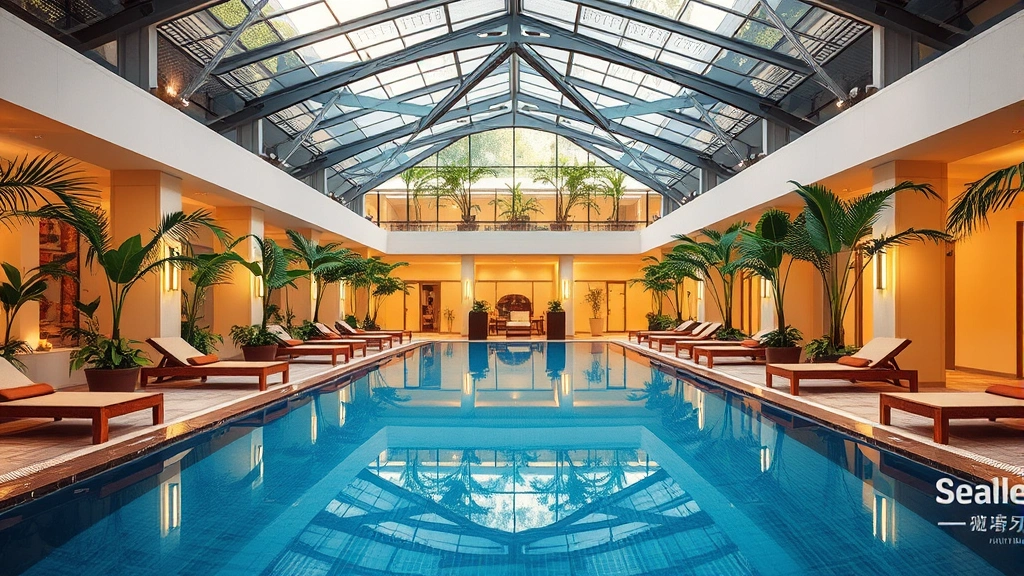
A hotel is a full-service lodging establishment that typically features multiple floors, a centralized front desk, and a range of on-site amenities. Hotels are designed to provide comprehensive hospitality services, including housekeeping, concierge services, restaurants, and various recreational facilities. The structure of a hotel usually involves interior corridors and elevators, with rooms accessed from inside the building. Hotels range from budget-friendly chains to luxury five-star properties, each offering different levels of service and comfort.
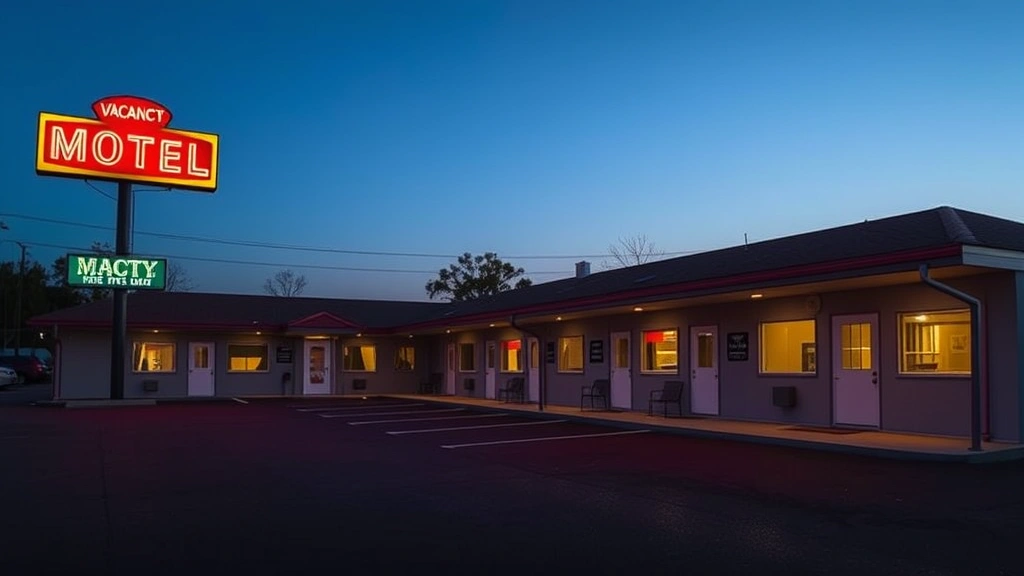
A motel, short for “motor hotel,” originated as a roadside accommodation designed for travelers arriving by automobile. The defining characteristic of a traditional motel is its layout: rooms are typically accessed directly from the parking lot via exterior doors, eliminating the need for long interior hallways. Motels are generally smaller operations with fewer rooms, minimal staff, and limited amenities. The primary focus is providing clean, affordable lodging rather than comprehensive hospitality services.
Understanding these fundamental differences provides the foundation for evaluating which option better suits your specific travel situation. The architectural and operational distinctions between these two accommodation types directly influence pricing, service quality, and overall experience. Many modern motels have upgraded their facilities and services, while some budget hotels have streamlined their operations, making the traditional boundaries less distinct than they once were.
Cost Comparison: What You’ll Actually Pay
When it comes to budget considerations, motels typically offer significantly lower nightly rates than comparable hotels. You can expect to pay anywhere from 30% to 60% less at a motel compared to a hotel in the same geographic area. Average motel rates range from $40 to $80 per night for basic accommodations, while hotels in similar locations might charge $80 to $150 or more. This substantial price difference makes motels an attractive option for cost-conscious travelers and those on tight budgets.
However, the total cost of your stay extends beyond the room rate. Hotels often include or offer various services and amenities that may incur additional charges if you use them. While these extras are optional, they can add up quickly. Motels typically charge less for ancillary services, or don’t offer them at all, which can result in lower overall expenses. Consider whether you’ll need services like room service, parking, internet, fitness facilities, or laundry when calculating your total accommodation cost.
The best hotels with free breakfast can offset some of the price difference by eliminating meal expenses. Some budget hotels and motels include basic amenities like continental breakfast or coffee to attract guests. When comparing costs, factor in what meals and services are included versus what you’ll need to pay for separately. Loyalty programs at major hotel chains can also provide discounts and upgrades that may not be available at independent motels.
Amenities and Services: What’s Included
Hotels pride themselves on offering extensive amenities designed to enhance guest comfort and convenience. Full-service hotels typically include features such as:
- On-site restaurants and room service
- Business centers with computers and printing services
- Fitness centers and sometimes swimming pools
- Concierge services for restaurant reservations and event planning
- Housekeeping and laundry services
- Meeting and conference facilities
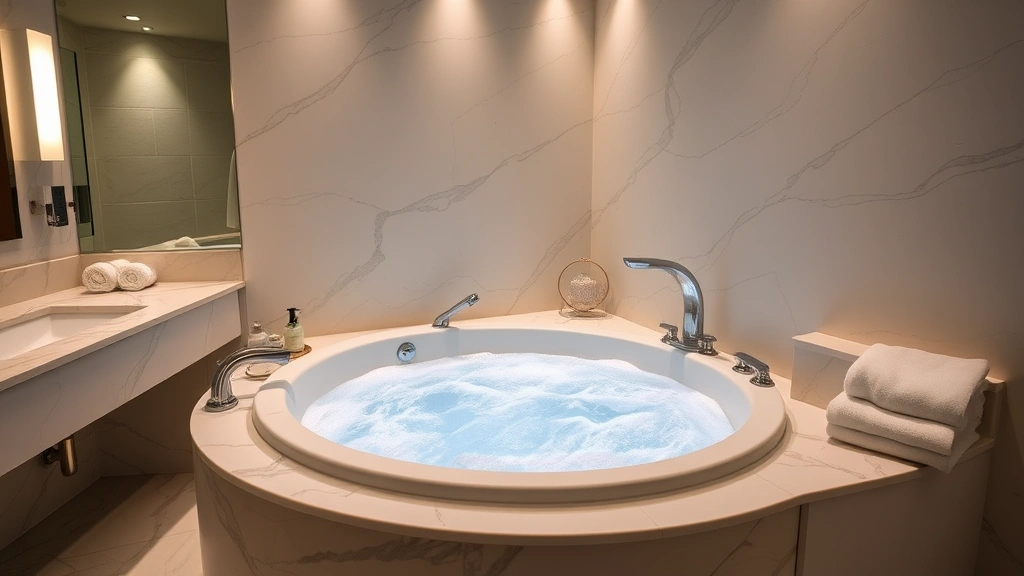
- Spa and wellness services at luxury properties
- High-speed internet throughout the property
These amenities are designed to make extended stays more comfortable and to cater to business travelers who need professional facilities. The 5-star hotels near me category represents the pinnacle of hotel amenities, offering personalized service, premium bedding, and luxury facilities. Even budget hotel chains typically provide at least a basic fitness room and complimentary breakfast.
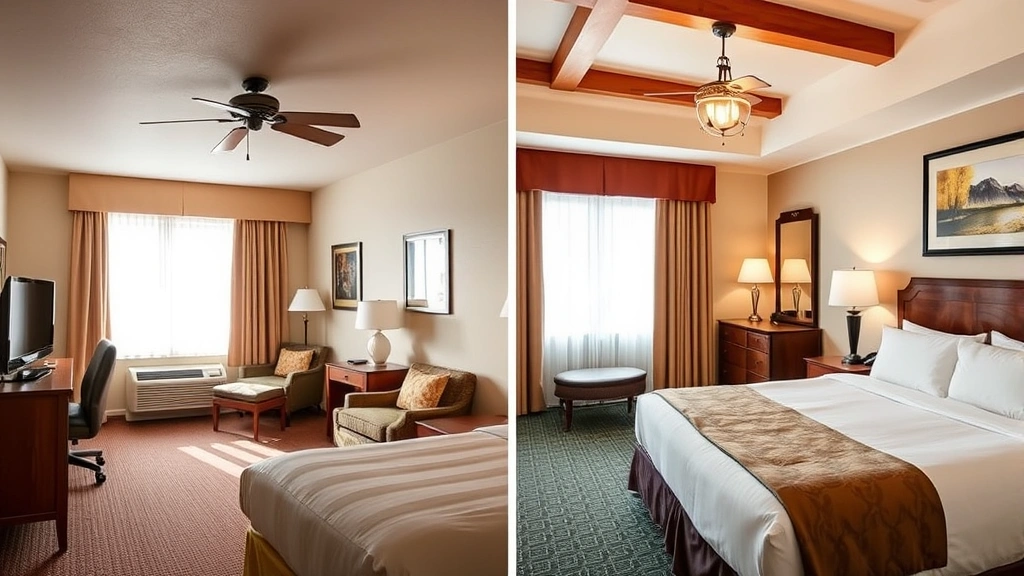
Motels, by contrast, focus on providing the essentials: a clean room, comfortable bed, and basic bathroom facilities. Most motels offer minimal amenities beyond the room itself. You might find a television, telephone, and perhaps a small desk, but services like room service, housekeeping, or restaurant facilities are rarely available. Some modernized motels have added amenities like free Wi-Fi or a small continental breakfast, but these remain exceptions rather than the standard.
The choice between amenities and cost depends on your travel style. Business travelers and those staying for extended periods benefit from hotel amenities, while road travelers making brief stops may find motels perfectly adequate and more economical.
Location and Accessibility Factors
Hotels are typically located in city centers, near major attractions, business districts, and transportation hubs. This central positioning makes them convenient for tourists and business travelers but often results in premium pricing due to valuable real estate. Hotels in popular destinations like best hotels in Hawaii command high rates due to their desirable locations near beaches and tourist attractions.
Motels, historically positioned along highways and on the outskirts of towns, offer a different location advantage. They’re designed for road travelers who need convenient, accessible parking and quick entry and exit. Modern motels maintain this accessibility advantage, making them ideal for travelers passing through areas or those seeking parking without navigating congested city centers. However, you may be further from major attractions and dining options, requiring additional transportation.
Accessibility is another consideration. Hotels with interior corridors and elevators are more convenient for guests with mobility challenges or those carrying heavy luggage. Motels with exterior room access and ground-level parking may be easier for quick stays but potentially more challenging for those with accessibility needs. When planning your stay, research the specific property’s layout and accessibility features regardless of whether you choose a hotel or motel.
Safety and Security Considerations
Safety is a legitimate concern when choosing accommodations. Full-service hotels employ dedicated security staff, maintain surveillance systems, and have controlled access points with front desk monitoring 24/7. The presence of staff members throughout the day and night provides an additional layer of security. Hotels typically implement key card systems that limit access to specific floor levels and rooms, and guests feel secure knowing that professional staff can respond quickly to any issues.
Motels present a different security profile. With exterior room access and often minimal staff during night hours, motels may feel less secure to some travelers. However, this doesn’t mean motels are inherently unsafe. Many well-maintained motels have excellent safety records and implement security measures like surveillance cameras and secure locks. The key is researching specific properties and reading guest reviews that address safety and cleanliness.
When evaluating safety at any accommodation, consider factors such as location, property maintenance, guest reviews mentioning security, and whether the establishment has visible security measures. Trust your instincts when viewing a property or reading reviews. Both hotels and motels can be safe or unsafe depending on the specific property and its management.
Guest Experience and Comfort Levels
The guest experience at a hotel typically involves personalized service and attention to detail. Front desk staff can assist with reservations, recommendations, and special requests. Housekeeping maintains high standards of cleanliness, and management is responsive to guest concerns. Many travelers appreciate the professional atmosphere and the sense that their comfort is a priority for trained hospitality staff.
Motel experiences are more self-directed and minimalist. You’ll check in, receive your key, and manage your own stay with minimal staff interaction. For some travelers, this independence is appealing—no pressure to tip housekeeping or interact with staff. However, if you encounter issues like maintenance problems or cleanliness concerns, resolving them may be slower at a motel with limited staff. Luxury beachfront hotels exemplify the high-touch service experience, with staff anticipating guest needs and providing personalized attention throughout the stay.
Comfort levels vary significantly within both categories. A well-maintained motel can offer comfortable accommodations, while a poorly maintained budget hotel may fall short. Bedding quality, room temperature control, hot water reliability, and noise levels impact comfort regardless of property type. Modern reviews and photos on booking platforms help you assess actual comfort levels before reserving.
Best Use Cases for Each Option
Choose a Hotel When:
- You’re taking a vacation and want to enjoy amenities and services
- You’re traveling for business and need professional facilities and services
- You’re staying for multiple nights and want daily housekeeping
- You’re traveling with family and want entertainment options on-site
- You prefer central locations near attractions and restaurants
- You value professional customer service and problem resolution
- You’re attending special occasions like weddings or anniversaries and want package deals (such as hotels with romantic packages)
- You’re part of a loyalty program and want to earn rewards
Choose a Motel When:
- You’re on a tight budget and need basic accommodations
- You’re making a brief stop during a road trip
- You need convenient parking and quick access to your room
- You prefer simplicity and don’t need extensive amenities
- You’re traveling during off-season when motel rates are extremely low
- You value independence and minimal staff interaction
- You’re traveling with pets and need pet-friendly accommodations at lower cost
- You’re in a location where hotels are overpriced but adequate motels are available
Consider also that special travel scenarios may benefit from specific property types. all-inclusive resorts for couples represent a hotel-based option where the comprehensive service model creates value through bundled pricing. Understanding your specific travel goals helps you make the best choice between these accommodation types.
The hospitality landscape continues to evolve, with boutique hotels adopting motel-style efficiency and motels upgrading their facilities. When making your decision, focus less on the label and more on evaluating the specific property against your needs, budget, and travel style. Read recent reviews, examine photos carefully, and verify what amenities and services are actually included in your rate. This research-driven approach ensures you’ll select accommodations that enhance rather than detract from your travel experience, regardless of whether you ultimately choose a hotel or motel.
FAQ
What’s the main difference between a hotel and a motel?
The primary difference is the layout and service model. Hotels feature interior corridors, multiple floors, and comprehensive amenities with full staff. Motels typically have exterior room access, ground-level parking, and minimal amenities, focusing on affordable basic lodging.
Are motels always cheaper than hotels?
Yes, motels are generally 30-60% less expensive than comparable hotels. However, price varies by location and property quality. In some areas, budget hotels may cost similarly to motels, so comparing specific properties is important.
Are motels safe for solo travelers?
Safety depends on the specific property, not the property type. Research individual motels through reviews, check security features, and trust your instincts. Both hotels and motels can be safe or unsafe depending on management and location.
Do motels offer free Wi-Fi?
Many modern motels offer free Wi-Fi, but it’s not universal. Always confirm internet availability when booking, especially if you need reliable connectivity for work or communication.
Which is better for families?
Hotels typically offer more family-friendly amenities like pools, restaurants, and entertainment options. However, budget-conscious families may find motels adequate for brief stays, particularly if the motel is clean and well-maintained with safe parking.
Can you find pet-friendly accommodations at both hotels and motels?
Yes, both hotels and motels offer pet-friendly options. Motels often have lower pet fees, making them more economical for travelers with animals. Always verify pet policies and any associated charges before booking.
What should I check before booking a motel?
Read recent reviews focusing on cleanliness, safety, and maintenance. View current photos, verify amenities, confirm pricing includes all taxes and fees, and check the location’s accessibility to your destination.