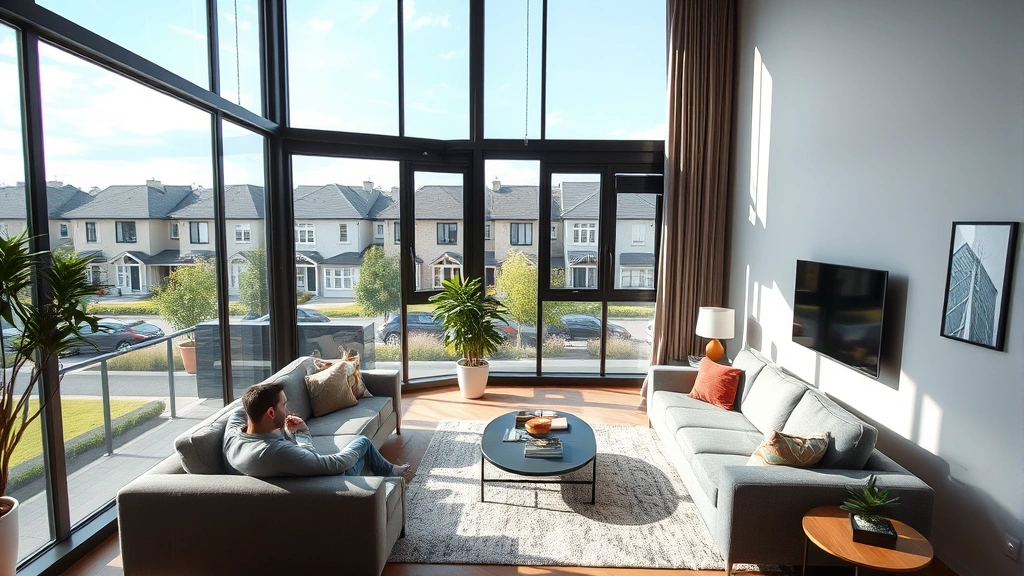
Hotels vs. Apartments: Which is Better? A Comprehensive Analysis
When deciding where to stay for an extended period—whether for work, relocation, or lifestyle changes—the choice between hotels and apartments represents one of the most significant housing decisions you’ll face. Each option offers distinct advantages and drawbacks that can dramatically impact your comfort, finances, and overall quality of life. Understanding the nuances of both can help you make an informed decision tailored to your specific circumstances and priorities.
The debate between hotels and apartments isn’t simply about cost or convenience; it encompasses lifestyle flexibility, financial implications, amenities, legal protections, and long-term sustainability. Whether you’re a digital nomad, a corporate relocatee, someone between homes, or simply exploring alternative living arrangements, this comprehensive analysis will help you weigh your options effectively. Let’s explore the key differences and determine which accommodation type aligns best with your needs.
Cost Comparison and Financial Implications
The financial comparison between hotels and apartments reveals significant differences in how costs accumulate over time. Hotels typically charge nightly rates ranging from $75 to $300+ per night, depending on location, season, and quality level. For a month-long stay, this translates to $2,250 to $9,000 or more. Apartments, conversely, generally rent for $800 to $3,000+ monthly, offering substantially lower per-day costs for extended occupancy.
However, the financial picture becomes more nuanced when you consider additional factors. Hotel stays often include housekeeping, utilities, internet, and basic furnishings in the nightly rate. Apartments require separate payments for electricity, water, internet, renters insurance, and potentially parking. When you calculate these hidden costs, apartment living may be 30-40% less expensive monthly than extended hotel stays, but only if you’re staying for at least 30 days.
For shorter stays—typically under two weeks—hotels may actually prove more economical because you avoid long-term lease commitments and setup fees. Additionally, hotels don’t require security deposits (usually $500-$1,500 for apartments) or first-and-last-month’s rent upfront. If you’re uncertain about your length of stay, hotels eliminate financial risk. Understanding hotel cancellation policies becomes crucial for protecting your investment if plans change unexpectedly.
Tax implications also differ significantly. Business travelers can often deduct hotel expenses as business travel costs, while apartment rentals fall into different tax categories. Consult with a tax professional to understand how each option affects your specific financial situation. Additionally, some hotels offer loyalty programs providing points toward free nights, while apartments don’t typically offer comparable benefits.
Flexibility vs. Long-Term Commitment
One of the most compelling advantages of hotels is their flexibility. You can book a room for one night or extend your stay indefinitely, typically with only 24-48 hours notice. This flexibility proves invaluable for those whose circumstances remain uncertain—job relocations that might fall through, family situations requiring flexibility, or exploratory moves to new cities. Hotels eliminate the stress of long-term commitments when your future remains unclear.
Apartments, by contrast, typically require lease agreements spanning 6 to 12 months. Breaking a lease early can result in substantial financial penalties, ranging from one to three months’ rent. This commitment structure benefits those seeking stability and planning to remain in one location for an extended period. However, for anyone valuing flexibility or anticipating potential changes, apartments present a significant constraint.
The hospitality industry has adapted to changing needs, with many hotels now offering extended-stay programs at reduced rates. These programs often provide weekly or monthly discounts, approaching apartment-level pricing while maintaining hotel flexibility. Additionally, some apartment buildings now offer flexible lease terms of 3 or 6 months, bridging the gap between traditional long-term leases and short-term hotel stays. Researching these options in your target market can reveal hybrid solutions matching your specific flexibility requirements.
Consider also the psychological aspects of commitment. Some individuals thrive with stability and the ability to personalize their living space, favoring apartments. Others prefer the freedom of minimal attachment and the ability to relocate without consequence, making hotels more psychologically comfortable. This personal preference significantly impacts long-term satisfaction regardless of financial considerations.
Amenities and Services Provided
Hotels excel at providing comprehensive amenities and services designed for guest convenience. Most hotels include daily housekeeping, front desk service 24/7, maintenance support, and often fitness centers, business centers, and on-site dining. These services eliminate household responsibilities, allowing you to focus on work or personal pursuits. Pet-friendly travelers should review hotel pet policies carefully, as accommodations vary significantly.
Apartments provide furnished or unfurnished units where you’re responsible for maintenance, cleaning, and all household management. While this requires more effort, it offers greater control over your living environment. You can customize décor, cooking facilities, and furnishings to your preferences—impossible in hotel rooms. Many apartment communities now offer amenities like fitness centers, pools, and community spaces, though these vary by property and location.
For those prioritizing convenience and minimal responsibility, hotels clearly advantage. For those valuing autonomy, personalization, and the ability to establish a true home environment, apartments prove superior. The service difference becomes particularly significant for extended stays; daily housekeeping in hotels can feel intrusive after several months, while apartment living provides privacy and independence.
Special services differ between options. Hotels can arrange valet parking services, concierge assistance, and room service. Apartments typically offer none of these, though some luxury apartment communities provide concierge-level services. For business professionals needing support services, hotels remain advantageous. For those seeking cost-effective independent living, apartments provide better value.
Legal Protections and Tenant Rights
This distinction carries profound implications for your security and rights. Apartment renters enjoy substantial legal protections under federal and state housing laws. These protections include fair housing protections preventing discrimination, habitability standards requiring safe and sanitary conditions, eviction protections requiring proper legal notice, and security deposit regulations limiting how deposits can be used and requiring timely return.
Hotel guests, conversely, receive minimal legal protection. Hotels can refuse service (with limited exceptions for protected classes), evict guests without formal legal proceedings, and retain deposits for damages without the same accountability requirements. Hotel stays are contractual agreements where the property maintains significant power over your occupancy. While hotels rarely abuse this power, the legal framework dramatically favors the property.
Tenant rights organizations and housing advocacy groups focus almost exclusively on apartment rentals because rental housing creates ongoing legal relationships between landlords and tenants. Organizations like the National Tenants Advocacy Coalition provide resources, support, and legal assistance for apartment renters facing disputes. Hotel guests lack comparable support systems.
For extended stays, the legal distinction becomes crucial. Some jurisdictions classify individuals who occupy hotel rooms for extended periods as “de facto tenants,” potentially granting them tenant protections despite the hotel context. Understanding National Housing Law Project resources can clarify your rights in your specific location. If you’re planning a stay longer than 30 consecutive days, research whether tenant protections apply, as this significantly affects your security and rights.
Lifestyle and Personal Factors
Your daily lifestyle and personal preferences should heavily influence this decision. If you value cooking and maintaining a kitchen, apartments prove essential; most hotels offer only limited kitchenettes or no cooking facilities. Those following specific diets, meal-prepping, or simply enjoying cooking will find apartment living vastly superior for quality of life. Professional chefs and food enthusiasts universally prefer apartments for this reason alone.
Social connection differs between options. Hotels provide opportunities for interaction with staff and other guests, which some find appealing. Apartments, particularly community-oriented properties, offer chances to build neighborhood connections and establish a social circle. Isolated individuals may find hotel social dynamics beneficial, while those seeking deeper community roots prefer apartments.
Work-from-home considerations significantly impact this decision. Hotel rooms, even spacious suites, lack the dedicated workspace apartments typically provide. If you’re working remotely, apartment living offers ergonomic furniture, separate work areas, and psychological boundaries between work and rest spaces—critical for productivity and mental health. The constant housekeeping in hotels can also interrupt work schedules.
Personal autonomy varies considerably. Hotels impose rules: quiet hours, guest policies, noise restrictions, and maintenance schedules. Apartments, while having lease terms, generally provide greater autonomy in daily living decisions. If you value independence and control over your environment, apartments align better with your lifestyle.
Health and wellness factors merit consideration. Extended hotel stays can feel isolating and disrupt routines. Apartments facilitate establishing healthy habits: dedicated cooking spaces support nutritious eating, personal spaces support exercise routines, and neighborhood familiarity encourages outdoor activity. For mental health and well-being during extended stays, apartments typically provide superior support.
Location and Accessibility Considerations
Hotels concentrate in specific areas: downtown districts, airport proximities, tourist zones, and business centers. This clustering provides convenience for travelers but limits residential location options. If your work or lifestyle requires proximity to specific neighborhoods, apartments offer far greater location flexibility. Most residential areas contain apartments but few or no hotels.
Walkability and neighborhood character differ substantially. Hotel locations prioritize commercial accessibility and traveler convenience, not neighborhood livability. Apartments situate throughout residential areas, offering access to parks, schools, local businesses, and community spaces that define neighborhood living. If you’re relocating and want to experience a neighborhood authentically, apartments provide vastly better integration into local life.
Transportation accessibility matters significantly. Hotels often prioritize parking and vehicular access; apartments vary by location and development. If you’re moving to a city with strong public transportation, apartment location options far exceed hotels. Conversely, if you require parking, verify apartment parking policies—many charge separately, potentially offsetting the cost advantage.
Long-term neighborhood familiarity develops through apartment living. After several months in an apartment, you know local restaurants, shops, parks, and community resources. Hotels never provide this integration; you remain perpetually a guest rather than a resident. For those seeking genuine relocation rather than extended travel, apartments facilitate community belonging that hotels cannot provide.
Safety and neighborhood quality vary dramatically. Hotels cluster in areas designed for commercial traffic; apartments distribute throughout neighborhoods of varying safety profiles. Research neighborhood crime statistics, lighting, and community policing when selecting apartment locations. Hotels typically maintain security uniformly across properties, though location-specific safety varies. Understanding your target neighborhood becomes critical for apartment selection in ways hotels don’t require.

Making Your Decision: A Practical Framework
Determining whether hotels or apartments suit your situation requires honest assessment of your priorities and circumstances. Begin by establishing your timeline. If your stay will last fewer than 14 days, hotels likely offer superior value and convenience. For stays between 14-30 days, compare specific properties; extended-stay hotels might match apartment pricing. For stays exceeding 30 days, apartments almost universally provide better financial and lifestyle value.
Next, evaluate your flexibility requirements. If you’re uncertain about your duration, location, or circumstances, hotels’ flexibility justifies premium pricing. If you’re confident in your situation and can commit to a location, apartments’ cost advantages and lifestyle benefits become compelling. Be honest about your genuine flexibility needs rather than assuming you might need flexibility.
Consider your lifestyle and daily routines. Will you cook regularly? Do you work from home? Do you value neighborhood integration? Do you require specific neighborhood locations? These lifestyle factors often prove more important than cost considerations. Sacrificing lifestyle quality for minor financial savings rarely proves worthwhile long-term.
Assess your financial situation and priorities. If cost is paramount and you’re staying longer than 30 days, apartments win decisively. If you have adequate budget and value convenience and flexibility, hotels might justify their premium. Be realistic about your financial constraints rather than optimistic about future changes.
Finally, research your specific market. Hotel pricing and apartment availability vary dramatically by location. Some cities have abundant extended-stay hotels; others lack them. Some neighborhoods offer excellent apartments; others don’t. Your decision ultimately depends on what’s actually available in your target location at your required timeframe.
Hybrid and Alternative Solutions
Beyond traditional hotels and apartments, several hybrid options deserve consideration. Furnished short-term apartments through platforms like Airbnb or Furnished Finder combine apartment flexibility with hotel convenience, though pricing varies widely. Serviced apartments—professional furnished units with housekeeping and concierge—bridge hotels and apartments, offering greater space and facilities than hotels with more service than traditional apartments.
Corporate housing companies specialize in extended-stay accommodations, often providing better rates than hotels while offering apartment-like flexibility. Vacation rental platforms increasingly offer monthly discounts, potentially matching apartment pricing. Room-sharing arrangements through platforms like SpareRoom offer ultra-affordable options, though with privacy tradeoffs.
Co-living spaces represent emerging alternatives, offering furnished private rooms with shared common areas, combining affordability with social connection. These appeal particularly to young professionals and digital nomads seeking community alongside flexibility. However, availability remains limited to major metropolitan areas.
Some employers offer housing assistance, negotiating rates with local hotels or apartment complexes. If you’re relocating for work, inquire about these programs before making independent arrangements. Additionally, some universities and professional associations negotiate housing discounts with local properties.

FAQ
Are hotels or apartments better for remote workers?
Apartments prove superior for remote workers. Hotel rooms lack dedicated workspaces, housekeeping interruptions disrupt work schedules, and internet reliability varies. Apartments provide dedicated offices, control over your environment, and reliable high-speed internet essential for productive remote work. If remote work is permanent, apartment rental becomes strongly preferable.
Can I break a hotel stay early without penalties?
Most hotels allow cancellation with 24-48 hours notice without penalties, though cancellation policies vary significantly. Advanced bookings and special rates often carry stricter cancellation terms. Always confirm cancellation policies before booking. Apartments typically impose substantial penalties for early lease termination, making hotels preferable if you anticipate needing to leave early.
Which option is better for families with children?
Apartments generally suit families better. Multiple rooms, kitchens for meal preparation, and neighborhood amenities like parks support family living. Hotels’ limited space and service disruptions from housekeeping create challenges for families. Additionally, many family-friendly activities require neighborhood access and local integration that apartments facilitate better than hotels.
What if I have pets?
Both options accommodate pets, though policies vary significantly. Some hotels prohibit pets entirely; others charge substantial pet fees ($25-$75 per night). Apartments typically allow pets with deposits ($300-$500) but no ongoing fees. For pet owners planning extended stays, apartments prove more economical. Always review specific pet policies before committing, as they vary dramatically between properties.
Do I have tenant protections in extended hotel stays?
Tenant protections in extended hotel stays depend on your jurisdiction and stay duration. Some areas grant tenant protections after 30 consecutive days; others require longer periods. Generally, hotels resist classifying guests as tenants, so protections remain limited. Research your specific location’s housing laws or consult a housing law professional if planning extended hotel stays.
Which option offers better value for one-month stays?
Apartments almost universally offer better value for one-month stays. Even accounting for setup costs and deposits, monthly apartment rates typically cost 30-40% less than extended hotel stays. However, if you’re uncertain about your timeline or need maximum flexibility, hotels’ cancellation flexibility might justify premium pricing despite higher costs.
Can I negotiate apartment lease terms?
Many landlords negotiate lease terms, particularly for qualified tenants or in competitive rental markets. You can request shorter initial leases (6 months instead of 12), flexible move-out dates, or rent reductions. However, negotiation success depends on local market conditions and landlord willingness. Hotels rarely negotiate rates for individual bookings, though corporate rates and loyalty programs provide discounts.