Nashville Office to Hotel Conversion: Insider Insights on the Transformation Trend
Nashville’s downtown skyline is undergoing a dramatic transformation. Once-thriving office buildings that defined the city’s business landscape are being reimagined as hospitality destinations. This shift reflects broader economic trends, changing work patterns, and the explosive growth of Nashville’s tourism industry. Understanding this conversion phenomenon requires insight into the forces driving these decisions, the challenges developers face, and what this means for the city’s future as both a business hub and tourist destination.
The office-to-hotel conversion trend in Nashville isn’t simply about changing signage or adding beds to existing floor plans. It represents a fundamental reimagining of urban real estate, where property owners and developers are betting that hospitality revenue streams offer better long-term prospects than traditional office leasing. With Nashville welcoming over 13 million visitors annually and experiencing unprecedented growth, the conversion logic becomes increasingly compelling for real estate investors looking to capitalize on changing market dynamics.
This comprehensive guide explores the mechanics of Nashville’s office-to-hotel conversions, examining why this trend accelerated, what challenges developers encounter, and how these transformations reshape neighborhoods and the broader hospitality landscape. Whether you’re a property investor, hospitality professional, or Nashville resident, understanding these conversions provides valuable context for the city’s evolving real estate market.
What’s Driving Office-to-Hotel Conversions in Nashville?
The catalyst for Nashville’s office-to-hotel conversions stems from a perfect storm of market conditions. First, the COVID-19 pandemic permanently altered workplace dynamics, with many companies embracing remote work and reducing their physical office footprints. Major corporations that once occupied entire floors now require significantly less space, leaving numerous buildings partially vacant or underutilized. For property owners, holding onto depreciating office assets became increasingly untenable.
Simultaneously, Nashville’s tourism boom accelerated dramatically. The city has transformed into a major destination for music tourism, bachelor and bachelorette parties, sporting events, and convention business. Hotels throughout the city operate at near-capacity during peak seasons, with room shortages driving up nightly rates. Developers recognized that converting office buildings into hotels could capture this high-demand market while repositioning underperforming assets.
Nashville’s growth trajectory also plays a crucial role. The metropolitan area’s population increased by over 14% in the past decade, attracting major corporate relocations and tech companies. However, much of this new employment occurred in suburban office parks rather than downtown buildings. This shift meant downtown office buildings—particularly older structures built decades ago—faced declining tenant interest and lower rental rates compared to modern suburban alternatives.
Tax incentives and public-private partnerships have also encouraged conversions. Nashville’s Tennessee Department of Economic Development offers various programs supporting real estate redevelopment, including tax credits for historic preservation. These incentives make conversion projects more financially viable while supporting the city’s stated goals of downtown revitalization.
The Economics Behind Conversion Projects
Understanding why developers choose hotel conversions requires examining the financial fundamentals. Traditional office leasing in Nashville typically generates $15-25 per square foot annually, depending on location and building quality. By contrast, hotel operations can generate $50-150+ per available room night, translating to significantly higher revenue per square foot when factored across the year.
Consider a 100,000 square foot office building generating $20 per square foot in annual rent: that’s $2 million in gross revenue. The same building converted to a 200-room hotel, operating at 75% occupancy with an average daily rate of $150, could generate $8.2 million annually. Even after accounting for substantially higher operating costs in hospitality, the profit margins often exceed office operations.
However, conversion projects require substantial capital investment. Transforming an office building into a hotel involves completely reconfiguring floor plans, installing new mechanical and electrical systems designed for 24/7 guest operations, upgrading plumbing infrastructure, adding elevators or expanding existing ones, and incorporating hospitality-specific amenities. Hard costs typically range from $150,000 to $300,000 per room, meaning a 200-room conversion could require $30-60 million in construction investment alone.
Financing these projects has become easier as banks recognize the revenue potential. Many lenders now offer hospitality-specific loan products with favorable terms for conversions in strong markets like Nashville. Developers also pursue opportunity zone investments and historic tax credits, which can reduce effective project costs by 20-30% when applicable.
The payback timeline matters significantly. While conversion projects require higher upfront investment than repositioning an office building for new tenants, the superior operating economics mean developers can achieve positive cash flow within 3-5 years. This timeline becomes attractive when compared to the uncertainty of office market recovery.
Major Challenges in Converting Office Space
Despite compelling economics, office-to-hotel conversions present substantial operational and structural challenges. The most significant issue involves building infrastructure designed for office use, which differs fundamentally from hospitality requirements.
Structural and Systems Challenges: Office buildings typically feature large, open floor plates with minimal interior walls, designed to maximize flexible workspace. Hotels require numerous individual guest rooms, each with private bathrooms, separate HVAC zones, and soundproofing. This necessitates extensive interior reconstruction, often requiring new interior walls, plumbing runs, and electrical circuits for every room.
Mechanical systems present another hurdle. Office buildings operate primarily during business hours with predictable occupancy patterns. Hotels require 24/7 climate control, hot water availability, and redundant systems to ensure guest comfort. Many older office buildings lack the electrical capacity and mechanical infrastructure to support these demands, requiring complete system upgrades.
Elevator capacity often becomes a critical bottleneck. Office buildings typically feature 2-4 elevators serving hundreds of workers during morning and evening peaks, but with relatively low usage throughout the day. Hotels require significantly higher elevator capacity to move guests continuously throughout the day and evening. Some conversion projects require adding elevators or completely replacing existing ones—a costly and logistically complex undertaking.
Regulatory and Compliance Issues: Converting from office to hospitality use triggers different building codes and regulations. Hotels must comply with more stringent fire safety codes, requiring upgraded sprinkler systems, emergency egress routes, and fire-rated construction. Accessibility requirements differ between office and hotel uses, potentially requiring additional modifications.
Parking requirements also shift. Offices typically require 3-4 spaces per 1,000 square feet, while hotels require 0.5-1.5 spaces per room depending on location. Developers must either provide adequate parking or justify reduced parking through public transportation access and walkability—sometimes requiring negotiations with city planning departments.
Operational Complexity: Managing a hotel requires different expertise than managing office buildings. Labor costs for housekeeping, front desk, maintenance, and food service are substantially higher than office building operations. Developers must either hire experienced hospitality operators or partner with established hotel management companies, which typically take 3-6% of gross revenue.
Guest experience expectations also create operational challenges. Hotels require 24/7 security, concierge services, and rapid maintenance response times. Office building managers can schedule maintenance during off-hours; hotels must address issues immediately to maintain guest satisfaction and protect reputation.
Renovation and Design Considerations
Successful office-to-hotel conversions require thoughtful architectural and design strategies that work within existing structural constraints while creating appealing hospitality spaces.
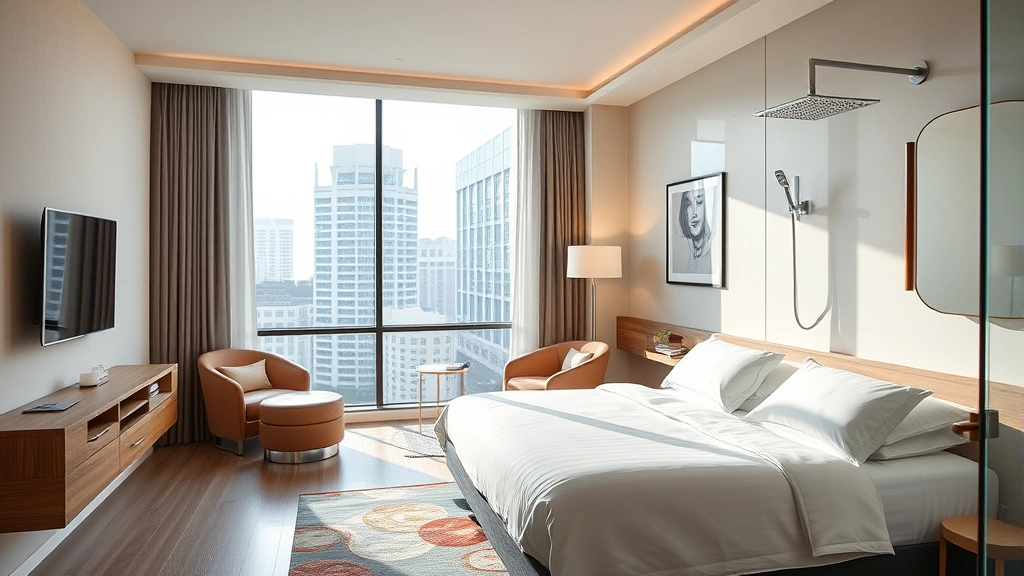
Room Configuration: Converting office floor plates into hotel rooms demands creative spatial planning. Standard hotel rooms require 250-400 square feet, while office spaces often feature different proportions. Architects must reconfigure floor plates to maximize usable room count while maintaining desirable room dimensions and layouts. Some conversions reduce room size slightly to fit more rooms per floor, accepting lower-end positioning in the market like cheap hotels near me under $50, while others maintain larger rooms to support premium positioning.
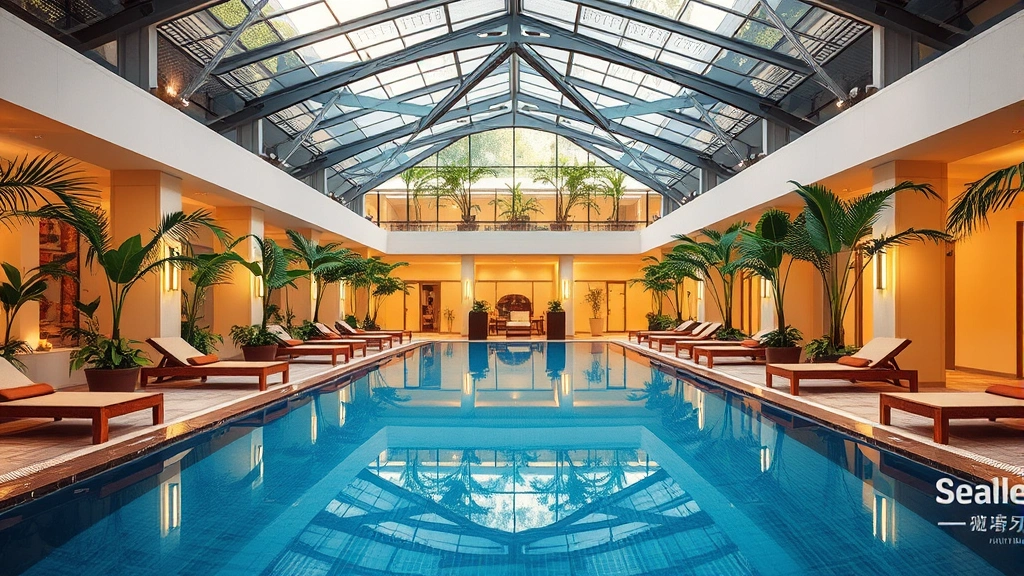
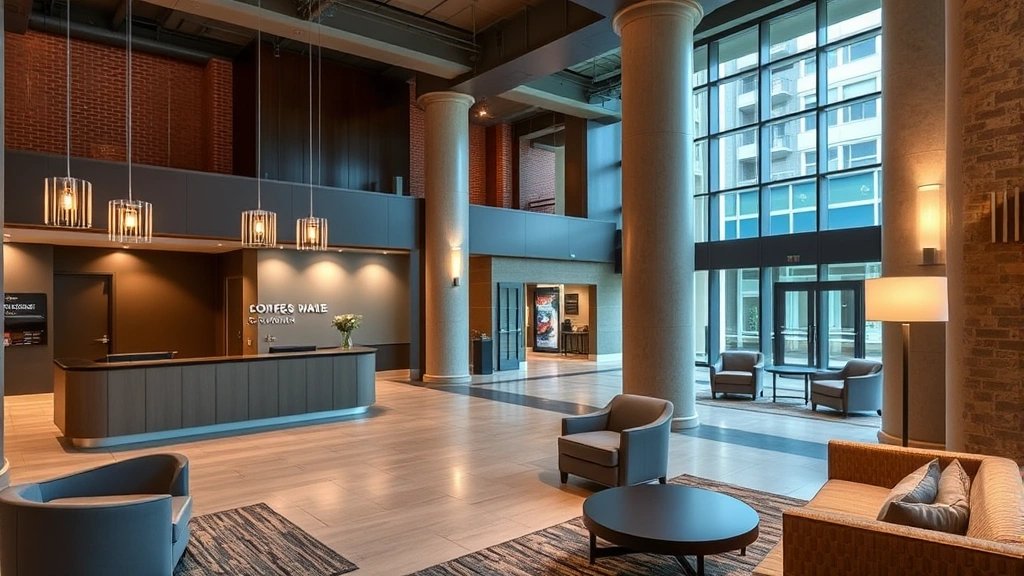
Amenity Integration: Office buildings rarely feature the amenities guests expect from hotels. Successful conversions must incorporate lobbies with check-in areas, restaurants or grab-and-go food service, fitness facilities, and gathering spaces. These amenities often require significant space reallocation, sometimes utilizing ground floor retail or common areas. Some projects add hotels with outdoor pools or rooftop bars to create distinctive experiences that justify premium positioning.
Technology Infrastructure: Modern hotel guests expect reliable, high-speed internet throughout their rooms and common areas. Office buildings may have adequate network infrastructure, but hotels require guest-grade WiFi with robust security and bandwidth management. Many conversions require complete technology infrastructure replacement. This aligns with guest expectations for hotels with free WiFi as a standard amenity.
Historic Preservation: Many Nashville office buildings targeted for conversion are historic structures with architectural significance. Developers pursuing historic preservation tax credits must maintain character-defining features while meeting modern hotel standards. This creates design challenges—preserving ornate lobbies while installing modern check-in systems, or maintaining historic facades while upgrading windows and mechanical systems. When executed successfully, historic character becomes a marketing asset, differentiating hotels in a competitive market.
Exterior and Signage: Transforming a building’s exterior identity from office to hospitality requires careful consideration. New signage, entrance modifications, and exterior lighting must clearly communicate the hotel’s brand while respecting architectural context. Ground-floor activation becomes critical; converting blank office building facades into inviting retail and restaurant spaces creates street-level appeal that encourages foot traffic.
Impact on Nashville Neighborhoods
Office-to-hotel conversions reshape neighborhoods in ways extending far beyond individual buildings. Understanding these impacts reveals both opportunities and challenges for community stakeholders.
Economic Revitalization: Successful hotel conversions catalyze broader neighborhood improvement. Construction activity attracts contractors and suppliers, creating temporary employment. Once operational, hotels generate permanent jobs in housekeeping, maintenance, food service, and management. These positions typically offer entry-level opportunities without requiring specialized credentials, supporting workforce development goals. Hotels also generate tax revenue for cities through occupancy taxes, which often fund tourism promotion and community improvements.
Street-Level Activation: Hotel conversions often include ground-floor retail, restaurants, and bars, transforming previously quiet office building lobbies into vibrant public spaces. This street-level activity creates safer neighborhoods through increased foot traffic and natural surveillance, while supporting local restaurants and retailers. Neighborhoods like Nashville’s SoBro and Nations have experienced renaissance as hotel conversions brought dining and entertainment options.
Housing and Affordability Concerns: A critical tension exists between hotel development and housing needs. Cities experiencing rapid tourism growth sometimes see hotel development consume real estate that could otherwise accommodate residential housing. In Nashville, where affordable housing remains scarce, some community advocates question whether converting office buildings to hotels serves community needs better than converting to residential apartments or condominiums. This debate reflects broader questions about how cities balance tourism economics with residential affordability.
Parking and Traffic: Hotel conversions increase neighborhood traffic and parking demand. While hotels require less parking than office buildings, the traffic patterns differ significantly. Office buildings generate concentrated traffic during commute hours; hotels distribute traffic throughout the day and evening. This can create congestion in neighborhoods unprepared for increased vehicle activity. Some conversions in walkable neighborhoods mitigate this through reduced parking and reliance on public transportation, potentially requiring hotels with airport shuttle services to reduce individual vehicle trips.
Neighborhood Character: Converting office districts into hospitality zones fundamentally changes neighborhood character. Former business areas become entertainment and tourism destinations, attracting different crowds and supporting different types of businesses. This transformation can enhance neighborhood vitality but may also concern longtime residents who preferred quieter commercial districts. Successful conversions balance these interests through thoughtful design, community engagement, and strategic location selection.
The Future of Nashville’s Office-to-Hotel Market
Looking forward, several factors will shape Nashville’s office-to-hotel conversion trajectory. Understanding these dynamics helps predict which buildings might convert and how the market will evolve.
Continued Demand for Hotel Rooms: Nashville’s tourism growth shows no signs of slowing. The city’s music heritage, entertainment venues, and convention facilities continue attracting visitors. New attractions like sports venues and entertainment districts promise sustained tourism growth. This demand fundamentally supports hotel development, including conversions. However, the supply of convertible office buildings remains finite—once prime candidates convert, remaining office stock either serves actual office tenants or faces different repositioning strategies.
Office Market Recovery Uncertainty: The pandemic permanently altered office space demand, and the trajectory remains uncertain. Some corporations have successfully downsized office footprints and maintained productivity with hybrid work models. Others are returning to office-centric work cultures. This uncertainty means some office building owners may hold assets longer, hoping for recovery, while others embrace conversion as the safer long-term bet. Market conditions will determine conversion economics going forward.
Suburban and Secondary Location Conversions: Initial conversions focused on prime downtown locations with strong tourism appeal. Future conversions may extend to secondary locations near airports, sports complexes, or entertainment districts. These projects might target budget positioning like budget hotel segments, which require lower conversion investment and generate acceptable returns despite lower nightly rates.
Adaptive Reuse Innovation: As conversion projects accumulate, developers and architects develop increasingly sophisticated approaches to office-to-hotel transformation. Modular construction techniques, prefabricated bathroom pods, and standardized room designs reduce conversion costs and timelines. These innovations may expand the universe of economically convertible buildings, including older or less ideally configured structures previously considered unsuitable.
Policy and Regulatory Evolution: Cities are increasingly recognizing office-to-hotel conversions’ impacts and implementing policies to manage growth. Some jurisdictions require community benefits agreements, affordable housing contributions, or parking solutions as conditions for conversion approvals. Nashville may develop similar policies balancing development incentives with community needs. These regulatory changes will influence future conversion economics and feasibility.
Mixed-Use Integration: Future conversions may increasingly incorporate mixed-use elements, combining hotels with residential units, office space, or cultural institutions. This approach addresses multiple community needs while improving project economics through diversified revenue streams. Buildings might include hotel rooms, residential apartments, ground-floor retail, and cultural or entertainment venues, creating vibrant neighborhoods rather than single-purpose hotel destinations.
FAQ
Why are office buildings being converted to hotels in Nashville?
Office-to-hotel conversions in Nashville are driven by several factors: the permanent shift to remote work reducing office space demand, explosive growth in tourism making hotel rooms highly profitable, the superior revenue potential of hospitality operations compared to office leasing, and available financing for hospitality projects. Property owners can generate significantly higher returns from hotel operations than maintaining underutilized office buildings.
How much does it cost to convert an office building to a hotel?
Conversion costs typically range from $150,000 to $300,000 per room, depending on the building’s condition, location, and desired hotel quality level. A 200-room hotel conversion might cost $30-60 million in hard construction costs, plus soft costs for design, permitting, and project management. Total project costs often reach $40-75 million including acquisition and financing.
What are the main challenges in converting office buildings?
Primary challenges include reconfiguring floor plates for individual guest rooms, upgrading mechanical and electrical systems for 24/7 operations, adding or expanding elevators, addressing fire safety and building code compliance, providing adequate parking, and managing the operational complexity of hotel management. Structural limitations of office buildings often require extensive reconstruction.
How long does an office-to-hotel conversion take?
Conversion timelines typically range from 18-36 months from project start to hotel opening, depending on project complexity, building condition, and permitting processes. Projects may begin with 6-12 months of design and permitting, followed by 12-24 months of construction. Some complex projects in historic buildings may extend beyond three years.
Do converted hotels operate differently than purpose-built hotels?
Operationally, converted hotels function similarly to purpose-built properties, though they may have layout quirks from their previous use. Converted hotels sometimes feature unique characteristics—irregular room shapes, distinctive architectural elements, or unusual floor configurations—that become marketing assets. Operational challenges may include less efficient floor layouts and mechanical systems that require more maintenance.
What neighborhoods in Nashville have experienced office-to-hotel conversions?
Downtown Nashville’s SoBro district, the Broadway entertainment corridor, and areas near the Convention Center have seen significant conversion activity. Secondary markets near the airport and emerging entertainment districts are increasingly becoming conversion targets as downtown prime properties become scarce and conversions extend to more locations.
How do conversions affect Nashville’s housing market?
Office-to-hotel conversions potentially reduce land and buildings available for residential conversion, which concerns advocates for affordable housing. Some argue that converting office buildings to apartments would better serve community housing needs. This tension reflects broader urban planning debates about balancing tourism economics with residential affordability and availability.
Are there tax incentives for office-to-hotel conversions?
Yes, developers may access historic preservation tax credits if converting historic office buildings, opportunity zone investments offering tax deferral benefits, and various state and local development incentives. These programs can reduce effective project costs by 20-30%, making marginal projects financially viable and encouraging conversion investment.