Motel vs Hotel: Which Suits You Best? Expert Tips
When planning a trip or needing temporary lodging, the choice between a motel and a hotel can significantly impact your comfort, budget, and overall experience. While these terms are sometimes used interchangeably, motels and hotels offer distinctly different accommodations, amenities, and service levels. Understanding the differences between these two lodging options will help you make an informed decision that aligns with your travel needs, budget, and preferences.
The distinction between motels and hotels goes beyond just semantics—it reflects fundamental differences in design philosophy, target clientele, and service offerings. Historically, motels emerged in the mid-20th century as convenient roadside stops for automobile travelers, while hotels have long been established as full-service hospitality establishments in urban centers and tourist destinations. Today, the landscape has evolved considerably, with budget hotels blurring traditional lines and boutique motels reinventing the concept. This comprehensive guide explores the key differences, advantages, and disadvantages of each option to help you select the perfect accommodation for your specific situation.
Understanding the Core Differences
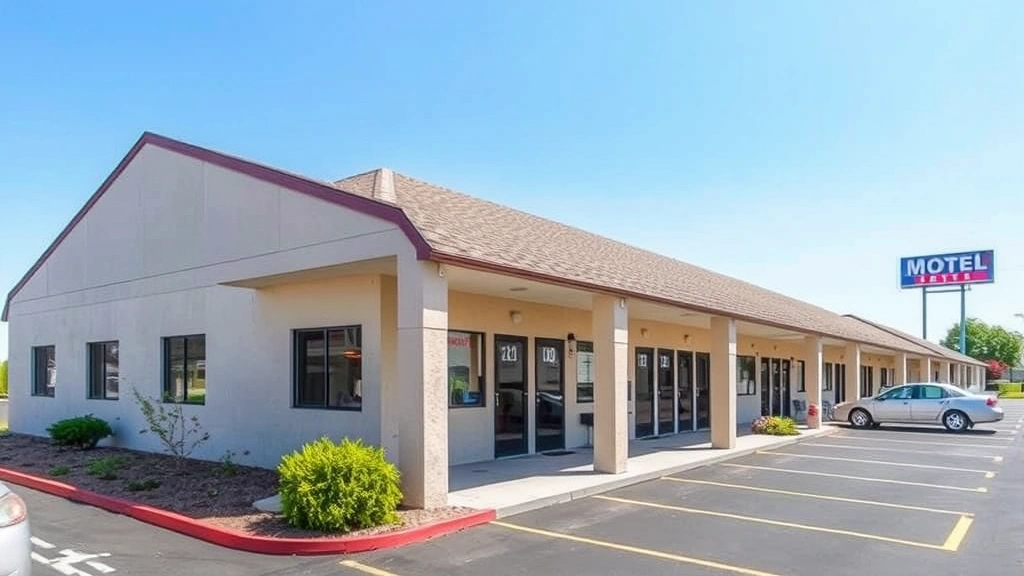
The fundamental distinction between motels and hotels lies in their architectural design, service model, and historical purpose. Motels are typically single or two-story structures with exterior corridors and direct parking access to room entrances. This design originated from the automobile era when travelers needed quick, convenient access to their vehicles. Rooms are usually accessed from outdoor walkways rather than through lobby areas, emphasizing efficiency and direct entry.
Hotels, conversely, feature multi-story buildings with interior hallways, elevators, and centralized lobby areas. They typically employ front desk staff throughout the day and night, offering services like concierge, room service, and housekeeping. Hotels traditionally cater to business travelers, tourists, and leisure guests seeking comprehensive hospitality services and amenities.
The operational philosophy differs significantly as well. Motels operate on a simplified model with minimal staffing and limited services, focusing on providing clean, affordable rooms for short-term stays. Hotels invest in extensive staff, diverse amenities, and comprehensive services designed to enhance the guest experience and justify premium pricing. Understanding these structural and operational differences helps clarify why each option suits different travel scenarios.
Motel Advantages and Best Uses
Motels excel in specific travel situations where simplicity, affordability, and convenience matter most. If you’re on a tight budget or taking a quick road trip, a motel provides essential accommodations without unnecessary expenses. The direct parking access proves invaluable when traveling by car, especially for families with children or guests carrying substantial luggage.
Key advantages of motels include:
- Budget-friendly pricing: Motels typically cost significantly less than comparable hotels, making them ideal for budget-conscious travelers
- Convenient parking: Direct access from parking to room eliminates navigating lobby areas and parking garages
- Quick check-in/check-out: Streamlined processes accommodate travelers with tight schedules
- Pet-friendly policies: Many motels welcome pets more readily than upscale hotels
- No-frills approach: You pay only for what you use, without subsidizing unused amenities
Motels work exceptionally well for road trips, overnight stays between destinations, construction workers needing temporary housing, and travelers prioritizing cost over luxury. If you’re primarily sleeping and need a secure, clean room, a motel delivers excellent value. Modern budget motels have improved considerably, with many offering free WiFi and updated furnishings that rival budget hotel chains.
Hotel Advantages and Best Uses
Hotels provide comprehensive hospitality services and amenities that enhance comfort and convenience, particularly for extended stays, business travel, or special occasions. When you’re visiting a destination for leisure or attending professional events, hotel services elevate your experience significantly.
Key advantages of hotels include:
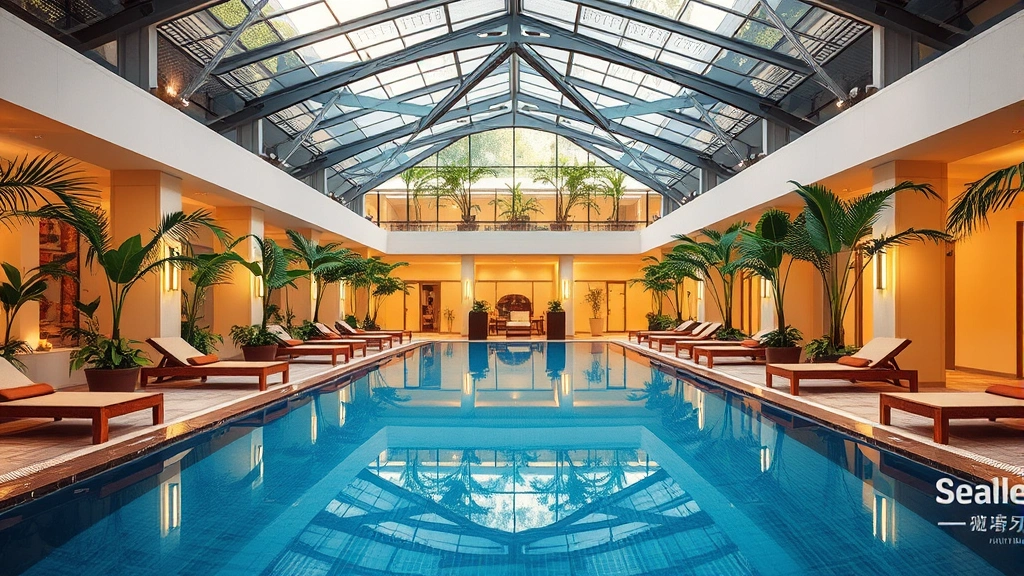
- Extensive amenities: On-site restaurants, bars, fitness centers, pools, and recreational facilities enhance your stay
- Professional services: Concierge assistance, room service, and housekeeping provide convenience and comfort
- Business facilities: Conference rooms and business centers support professional requirements
- Technology infrastructure: Reliable WiFi and modern connectivity ensure you stay connected
- Enhanced security: 24-hour front desk, security personnel, and surveillance systems provide peace of mind
- Loyalty programs: Rewards programs offer benefits and recognition for frequent guests
Hotels suit business travelers needing professional services, families seeking entertainment options, guests attending events in unfamiliar cities, and travelers desiring premium comfort. Luxury hotel experiences provide exceptional service and exclusive amenities that justify premium pricing for special occasions and important trips.

” alt=”Modern hotel lobby with contemporary furnishings, floor-to-ceiling windows, comfortable seating areas, and professional reception desk”>
Cost Comparison and Budget Considerations
Budget represents the most tangible difference between motels and hotels. Understanding pricing structures helps you allocate travel funds effectively and avoid unexpected expenses.
Typical nightly rates:
- Budget motels: $40-$80 per night, sometimes less in rural areas
- Mid-range motels: $60-$120 per night
- Budget hotels: $70-$130 per night
- Mid-range hotels: $100-$200 per night
- Upscale hotels: $200+ per night
Beyond room rates, consider hidden costs. Hotels often charge resort fees ($15-$50 daily), parking fees ($10-$30 daily), and premium pricing for amenities. Motels typically include parking and charge minimal additional fees. When calculating total lodging costs for extended stays, these extras significantly impact your budget.
Cost-saving strategies:
- Book directly through motel or hotel websites for potential discounts
- Use Booking.com and similar platforms to compare rates across properties
- Travel during off-peak seasons for better rates
- Join loyalty programs for discounts and room upgrades
- Negotiate rates for extended stays, particularly at motels
- Consider bundling accommodations with rental cars for package discounts
For budget-conscious travelers or road trips spanning multiple nights, motels provide exceptional value. However, if a hotel’s amenities justify the cost for your specific trip, the investment may enhance your overall experience significantly.
Amenities and Services Breakdown
The range of amenities and services distinguishes the motel and hotel experience substantially. Understanding what each offers helps align your choice with your actual needs and preferences.
Standard motel amenities:
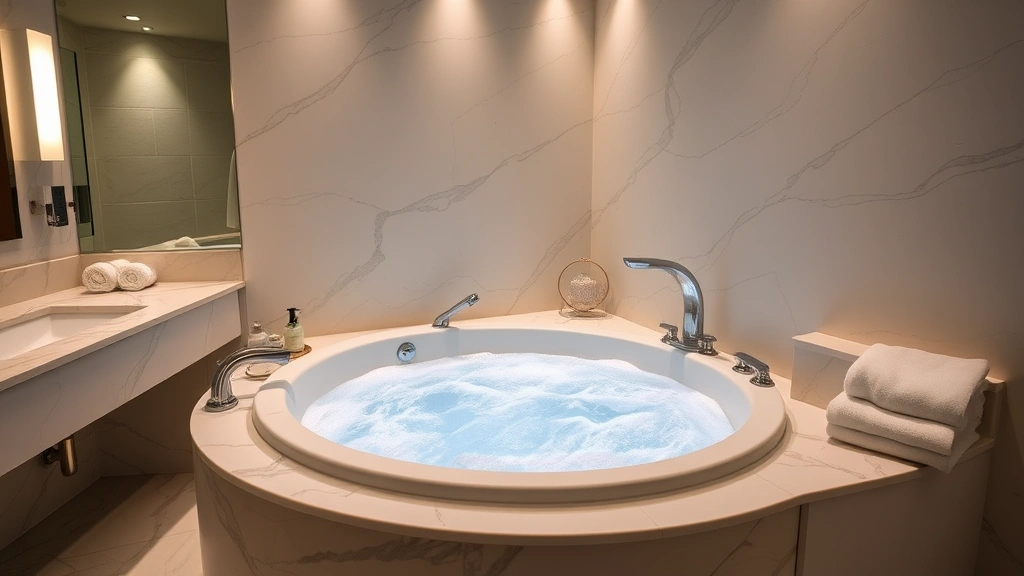
- Private bathroom with shower/bathtub
- Television with basic cable or streaming options
- Air conditioning and heating
- Parking (usually free and convenient)
- Free WiFi (increasingly common)
- Telephone service
Common hotel amenities:
- Everything motels offer, plus:
- On-site restaurants and room service
- Fitness centers and sometimes pools
- Business centers with computers and printing
- Concierge services
- Room service and housekeeping
- Valet parking and bell desk services
- Meeting and event spaces
- Spa and wellness facilities (upscale properties)
Modern budget hotel chains have narrowed the amenity gap, offering extended stay features like kitchenettes and laundry facilities. Many contemporary motels now include modern conveniences such as flat-screen televisions and updated bathrooms. Evaluate which amenities genuinely enhance your stay versus unnecessary luxuries you’ll never use.
Safety and Security Considerations
Safety concerns legitimately influence lodging decisions, particularly for solo travelers or families. Both motels and hotels implement security measures, though approaches differ.
Hotel security features:
- 24-hour front desk staffing and surveillance
- Security personnel on premises
- Electronic key card systems
- Interior hallways limiting exterior access
- Comprehensive security protocols and incident response
- Guest verification before room access
Motel security considerations:
- Limited staffing, potentially no 24-hour front desk
- Exterior room access may feel less secure to some guests
- Variable security infrastructure depending on property
- Direct parking access provides quick vehicle access
- Smaller properties mean fewer guests and less anonymity
Modern motels have significantly improved security, with many implementing electronic locks, surveillance cameras, and improved lighting. Your perception of safety often depends on property maintenance, location, and reputation. Research guest reviews specifically mentioning safety, and consider properties in well-lit, populated areas. Follow hotel room safety tips regardless of accommodation type, such as using door locks and securing valuables.
Making Your Final Decision
Choosing between a motel and hotel depends on evaluating your specific travel situation against the characteristics of each option. Ask yourself critical questions to guide your decision:
Choose a motel if:
- You’re on a tight budget and need basic, clean accommodations
- You’re taking a road trip with frequent location changes
- You need convenient parking and quick vehicle access
- Your stay is brief—one or two nights maximum
- You’re traveling with pets
- You don’t need extensive amenities or services
- You prefer straightforward, no-frills lodging
Choose a hotel if:
- You’re staying for several days or longer
- You’re attending business events or conferences
- You want access to restaurants, fitness facilities, or entertainment
- You’re celebrating a special occasion
- You need professional services like concierge or room service
- You prioritize security and comprehensive staffing
- You want loyalty program benefits and rewards
- You’re traveling with family and want diverse on-site activities
Hybrid considerations:
Modern travel offers increasingly blurred lines between traditional categories. Budget hotel chains now compete directly with motels through streamlined service models and lower pricing. Boutique motels have emerged offering curated experiences and premium comfort at mid-range prices. Extended-stay hotels provide motel-like efficiency with hotel amenities. Evaluate specific properties rather than relying solely on categorical assumptions about quality or service levels.
Review guest feedback on platforms like TripAdvisor and Yelp to assess actual experiences at specific properties. Read recent reviews mentioning cleanliness, safety, noise levels, and staff responsiveness. These firsthand accounts often provide more reliable guidance than categorical generalizations about motels versus hotels.
Understanding hotel cancellation policies protects your financial investment regardless of accommodation choice. Many properties now offer flexible cancellation, particularly important given travel uncertainties. Clarify policies before booking, especially for non-refundable rates offering discounts.
” alt=”Comfortable motel room interior with neatly made bed, clean nightstands, modern lamp, and well-maintained furniture”>
FAQ
What’s the main difference between a motel and a hotel?
The primary difference lies in design and service philosophy. Motels feature single or two-story structures with exterior corridors and direct parking access, designed for quick, budget-conscious stays. Hotels are multi-story buildings with interior hallways, lobbies, and comprehensive services including restaurants, concierge, and housekeeping. Motels prioritize affordability and convenience, while hotels emphasize comfort and amenities.
Are motels less clean than hotels?
Not necessarily. While historical stereotypes associated motels with lower cleanliness standards, modern motels maintain comparable hygiene standards to budget hotels. Cleanliness depends on individual property management, maintenance practices, and investment in upkeep rather than the motel versus hotel designation. Always review recent guest feedback about cleanliness before booking any property.
Can I find motels with good amenities?
Absolutely. Contemporary motels increasingly offer modern amenities including free WiFi, flat-screen televisions, updated bathrooms, and comfortable furnishings. Some boutique motels provide premium experiences rivaling mid-range hotels. Evaluate specific properties based on their individual offerings rather than assuming all motels lack amenities.
Which is better for families?
Hotels typically suit families better due to on-site dining, entertainment, and activity options. However, motels work well for families taking road trips or seeking budget-friendly accommodations. Consider whether your family values amenities and services (hotels) or prefers convenient parking and cost savings (motels).
Is it safer to stay in a hotel?
Hotels generally offer more comprehensive security through 24-hour staffing and surveillance, which appeals to some travelers. However, modern motels implement adequate security measures including electronic locks and cameras. Safety depends more on property location, maintenance standards, and reputation than on the motel versus hotel classification. Research specific properties thoroughly.
What’s the typical length of stay for motels versus hotels?
Motels traditionally accommodate short stays—one to three nights—with minimal additional fees. Hotels suit both short and extended stays, with pricing structures and amenities supporting longer durations. However, extended-stay options exist in both categories, blurring traditional distinctions.
Do motels accept credit cards?
Most modern motels accept credit cards, though some smaller properties may prefer cash. Confirm payment methods when booking. Credit card bookings often provide purchase protection and dispute resolution if issues arise with your stay.
Can I negotiate rates at motels?
Yes, motels often allow rate negotiation, particularly for extended stays or off-peak seasons. Call directly rather than booking through online platforms to discuss potential discounts. Hotels typically have less flexibility with published rates, though corporate rates and loyalty discounts may apply.